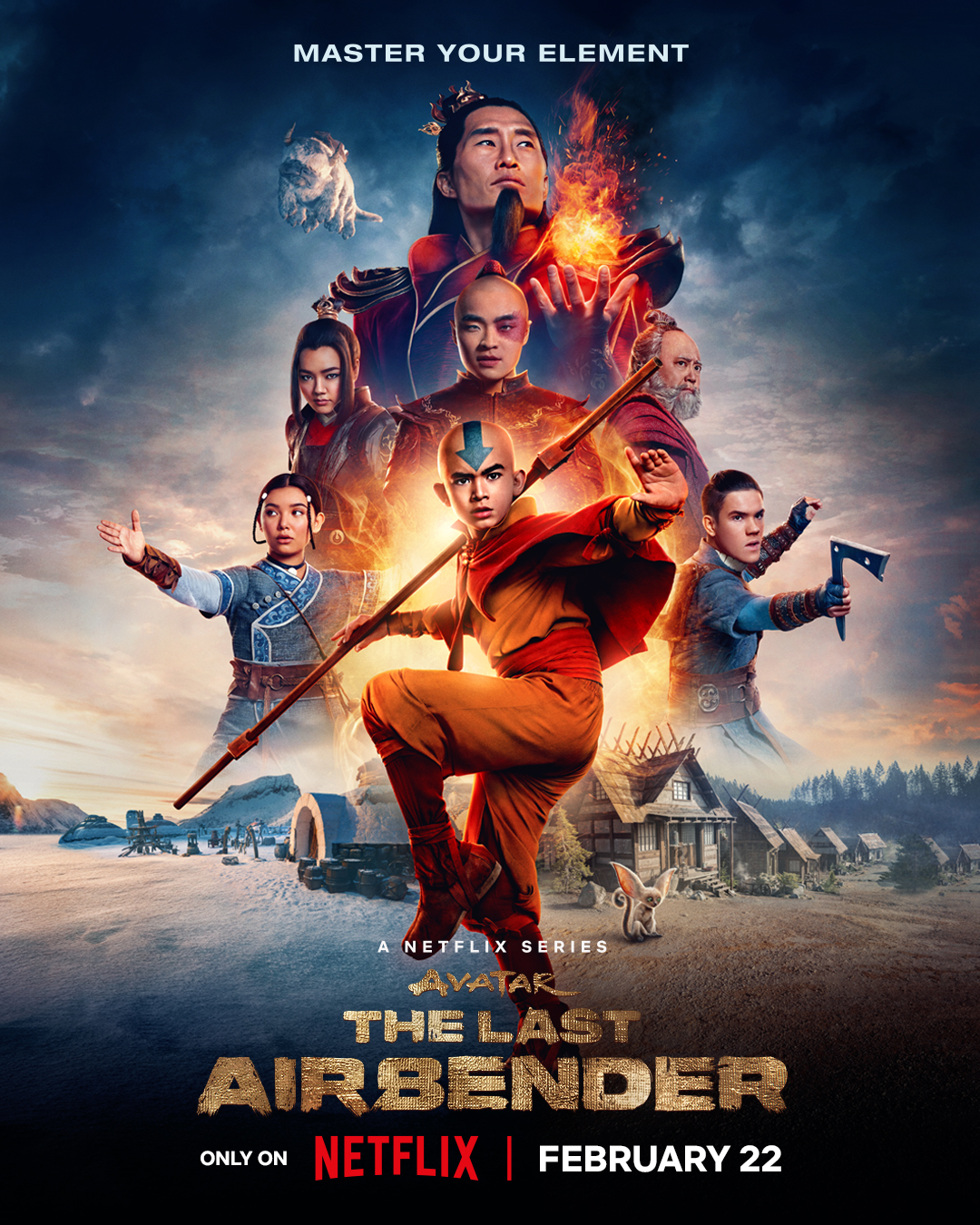
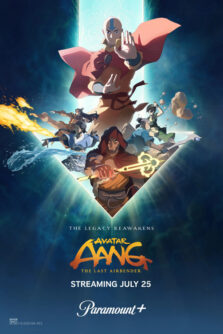
AVATAR AANG: THE LAST AIRBENDER
Gorgeous, funny, and built on a spirit world.
Should You See It?
Here is the decision, and it is a painful one. This is a beautiful movie. The animation is top-tier, the action thrills, the humor lands, the emotional beats land, and longtime fans get their callbacks and their favorite faces back. Four stars is not a courtesy.
What settles it is the material the story is made of. The spiritual world here is not decoration; it is the plot. Characters draw on "chi," an impersonal life energy. Aang takes counsel from past Avatars who are dead. The narrative travels into a spirit world and leans on the "Avatar Spirit." The film is steeped in Hinduism and Buddhism, and those ideas carry the story rather than sit beside it.
There is real good here too, and it deserves saying: forgiveness, self-sacrifice, humility, protecting the innocent, and characters who keep choosing peace and compassion over revenge. Good and evil stay clearly distinct.
But the mysticism is not a layer you can watch past. It is the foundation. So: skip it — and if your household already knows this world, the conversation matters more than the movie does.
The Story
NO SPOILERS — WE KEEP THE SURPRISESThirteen years have passed since the Hundred-Year War ended and the original series closed.
Then Aang learns of an ancient power that could save his culture — and learns that a group of non-bender extremists calling themselves "The Denied" mean to reach it first.
He cannot get there alone. So he sends word to each of the nations and to his old friends: he needs help.
Team Avatar reunites. There is one new addition nobody sees coming, and the adventure starts from there.
Is It Any Good?
Four stars, and every one of them is earned. The animation is top-tier — gorgeous visuals, fine line work, lighting that brings the frame to life. One shot of Aang on a mountaintop against this world's answer to the aurora borealis is simply mesmerizing.
The action carries the other half. Each bending style is modeled on a real-world martial art, and the non-benders get swordsmanship and archery skilled enough to keep pace with them.
It is written with care, too. Humor and emotional depth are balanced rather than traded against each other, the female characters are strong and capable, and the themes of unity, teamwork, friendship and finding a new family after loss are given room to breathe. Longtime fans get clever callbacks, classic bending moves and familiar favorites, the hilarious cabbage vendor among them. As an experience, it is engaging from end to end.
The Worldview
AVATAR AANG: THE LAST AIRBENDER is built on a spiritual system, and it is not a Christian one. Life energy — "chi" — runs through this world as an impersonal force. The dead can be consulted; Aang communicates with past Avatars. There is a spirit world, and it can be traveled into. There is an "Avatar Spirit," and the story rests on it. The film is steeped in Hinduism and Buddhism, and that is not a stray element. It is the architecture.
What sits on top of that architecture is often admirable. The story stresses forgiveness, self-sacrifice, humility and protecting the innocent. It keeps a clear line between good and evil — no fashionable blurring — and its characters actively choose peace and compassion over revenge and destructive ambition. Those are real virtues, and the movie means them.
But the virtues are borrowed and the foundation is not. A story can teach a child to forgive while also teaching him that the universe is a field of impersonal energy and that the dead are available for advice. The second lesson is quieter, and it stays longer.
Scripture puts a Person, not a power, at the center of everything that holds together: "And he is before all things, and in him all things hold together" (Colossians 1:17). The longing this movie names — a world in balance, the innocent protected, a broken family remade — is a true longing. The answer to it has a name.
The Content Guide
The specifics — spoilers included by nature — so you can judge for your own family.
Strong false religious worldview featuring Eastern mystical concepts like "chi" as an impersonal life energy, communication with deceased past Avatars, journeys into a "spirit world," and reliance on the "Avatar Spirit." The movie is steeped in Hinduism and Buddhism. Biblical themes stress forgiveness, self-sacrifice, humility, and protecting the innocent, drawing clear moral distinctions between good and evil as characters actively choose peace and compassion over revenge and destructive ambition.
No foul language
Animated action violence including martial arts and elemental bending combat, dramatic explosions, visible bruising, characters getting hurt, cartoon peril, with visions and dialogue mentioning death and killing
Mild romantic content including an unmarried young couple kissing twice, a kiss on the head while sleeping, a hug from behind, and a character swooning similarly to a teenage crush.
Upper male nudity with men fighting without shirts and cultural carb that shows male upper body
No smoking or drug abuse;
Unmarried romantic displays, deceit, and lying
Talk About It
Questions for the drive home, the dinner table, or the youth group.
This movie calls the life in everything "chi" — an impersonal energy. Scripture says the life in everything comes from a Person who knows your name. What difference does that make on an ordinary Tuesday?
Colossians 1:16–17 · Acts 17:24–25Aang seeks counsel from Avatars who have died. Why does God draw such a firm line around consulting the dead, and what does He offer His people instead?
Deuteronomy 18:10–12 · Isaiah 8:19The heroes keep choosing peace and compassion over revenge. When did you last have that exact choice in front of you, and which one did you take?
Romans 12:17–21 · Matthew 5:9This is a beautiful, funny, expertly made film that teaches something untrue about God. How do you enjoy good craft without quietly swallowing the belief inside it?
Colossians 2:8 · Philippians 4:8The Final Word
We do not often say this about a four-star film. AVATAR AANG: THE LAST AIRBENDER is beautiful, funny and made with obvious love — and its foundation is Eastern mysticism from the ground up: a spirit world, an impersonal life force, counsel from the dead. The craft was never the problem. Our answer stands: skip it. For family night instead, start with our family-friendly picks.