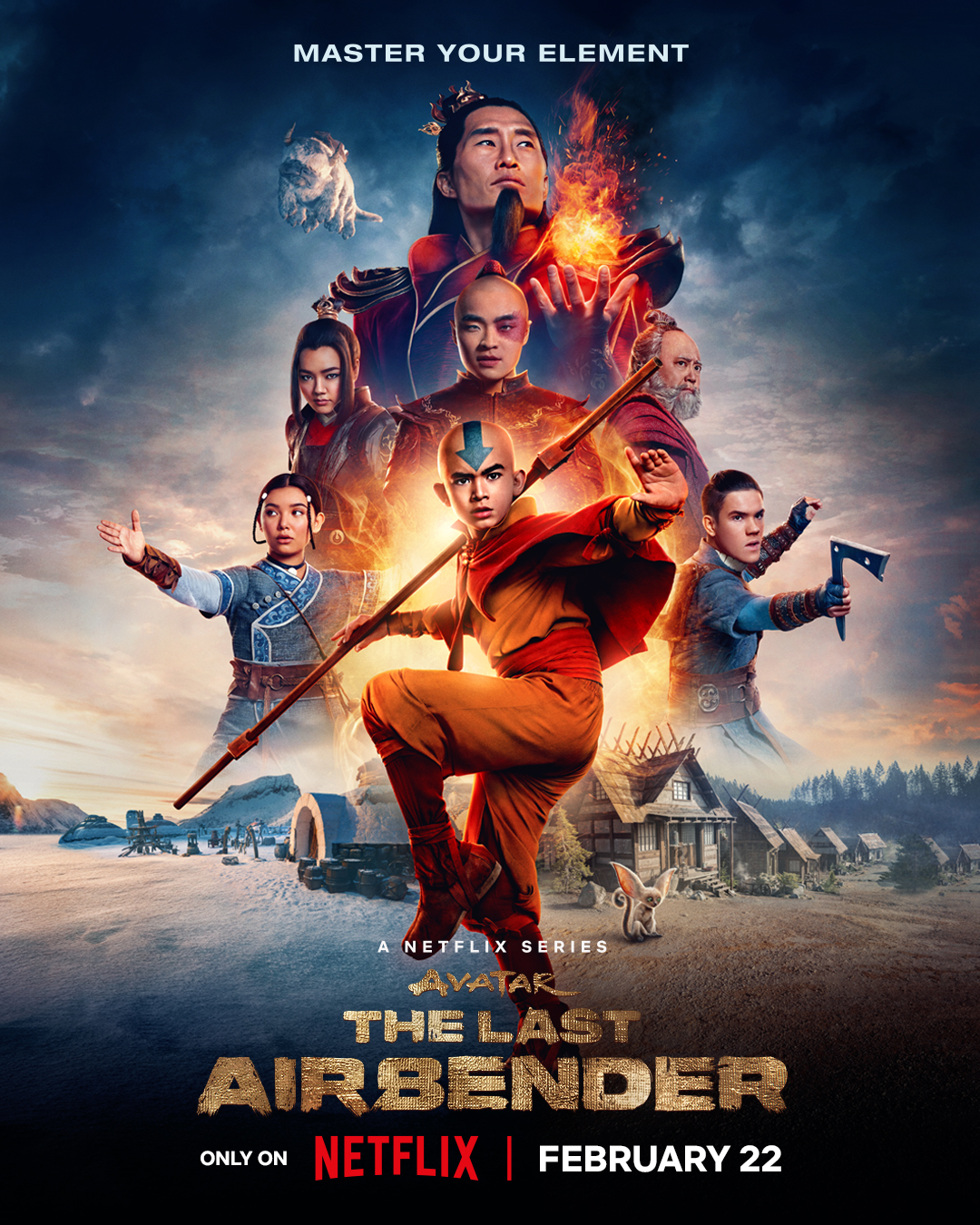

AVATAR: THE LAST AIRBENDER: Episodes 3.1-3.3
A Nickelodeon classic — beautifully made, and steeped in Eastern spirituality.
Should You See It?
Here is the decision. The opening chapters of Avatar's third season are a triumph — the writing, characters, and artwork are all compelling, and the show keeps returning to virtues Scripture honors: friendship, helping others, self-accountability, and heroes willing to lay down their lives for innocent people.
But this is not a show to hand a child and walk away from. The series openly explores paganism, the spirit world, and other Eastern ideals. Its heroes wield "magic" martial arts that manipulate fire, water, earth, and air. The corporeal and spirit worlds are heavily intertwined; characters speak with ghosts and with the hero's past "Avatar" predecessors. That is why the caution here is major, not minor.
So: if you have older children and you're willing to sit with them and talk about what the show believes — its virtues and its spirituality both — this is worth watching together. If you're looking for something younger kids can watch on their own, wait and see, and choose something else for now.
The Story
NO SPOILERS — WE KEEP THE SURPRISESAang is the Avatar — a teenager who woke from a century-long slumber to master all the magical elements and stop the conquering Fire Nation. Recovering from a near-fatal defeat, he and his friends make a bold new plan: slip undercover into the Fire Nation homeland itself, where everyone believes Aang is dead.
Meanwhile Prince Zuko, the banished son of the Fire Lord, guards a dangerous secret — and begins to question his family, his loyalties, and his own morals. Two journeys, one war, and a world waiting to be saved.
Is It Any Good?
Four stars, and the show earns every one. "The Awakening" is a marvelous season opener that expertly explores Aang's inner turmoil — his guilt, his temptation toward despair, and his slow discovery that he can only succeed by leaning on his friends. It boasts an excellent navy battle scene, great dialogue, and outstanding vocal performances, while doubling as a clean recap for newcomers.
The season varies its register well. "The Headband" is a light-hearted break from the darker tone, full of visual gags and a fun premise. "The Painted Lady" sets its heroes a genuine moral dilemma and lets it breathe. And running through it all is Zuko, a classic villain-redemption arc so well drawn it could inspire a dozen character studies. This is craft of a high order.
The Worldview
Avatar is built on a strong Eastern worldview, and the show doesn't hide it. Its heroes practice "bending" — magical martial arts that command fire, water, earth, and air. The corporeal world and the spirit world are heavily intertwined: characters interact with ghosts of the departed, and Aang speaks with his "Avatar" predecessors. Parents should recognize this as the show's spiritual air, not incidental set dressing.
What's striking is how much genuine moral good grows alongside it. The heroes fight to protect innocent civilians and are willing to sacrifice their lives for them. Aang carries a strong sense of duty — to save the world, protect his friends, and atone for past mistakes — and learns he cannot do it alone. Zuko wrestles openly with betrayal and conscience. In "The Painted Lady," Katara ultimately apologizes for her deception and urges a town not to wait for a savior but to take responsibility themselves. These are traces of Christian morality inside a pagan frame.
That mixture is exactly why the caution matters. The virtues are real and worth naming; so is the spirituality the show asks you to accept as ordinary.
The show's deepest longing — for a broken world to be set right — is one it can voice but not finally answer. Scripture points past every human champion: "The Spirit of the Lord God is upon me... to bind up the brokenhearted, to proclaim liberty to the captives" (Isaiah 61:1).
The Content Guide
The specifics — spoilers included by nature — so you can judge for your own family.
A strong Eastern worldview with traces of Christian morality, characters fight to protect innocent civilians and are willing to sacrifice their lives, the arch rival questions his betrayal of his uncle, characters practice “magic” martial arts to manipulate elements like fire, the corporeal world and the spirit world are heavily intertwined, characters interact with ghosts of past characters, the main character speaks to his “Avatar” predecessors, and overt romantic scenes of hugging and kissing between the teen characters
None
Moderate action violence throughout, characters can “bend” the elements of fire and water for combat, the Fire Nation guards are frequently knocked out of battle, two characters sabotage a metal weapons facility, and a boy almost drowns to death
None,
None
None
None
A boy abandons his friends without alerting them, a teenage girl plays mind games with her brother, another girl impersonates a “water spirit” to uplift a Fire Nation slum town, and a boy fake-enrolls into a state-sponsored school
Talk About It
Questions for the drive home, the dinner table, or the youth group.
Aang nearly gives in to despair and guilt over his past failure, then finds strength by relying on his friends. When have you tried to carry a burden alone that you were meant to share?
Galatians 6:2 · Ecclesiastes 4:9–10Zuko wrestles between the honor his family demands and what he knows is right. How do we tell the difference between the approval of people and the approval of God?
Galatians 1:10 · Proverbs 29:25In "The Painted Lady," Katara does good — but through deception, and she has to apologize for it. Can a good goal be pursued the wrong way? What does honesty cost, and why is it worth it?
Ephesians 4:25 · Proverbs 12:22Katara tells the villagers not to wait for a savior but to act. Scripture affirms taking responsibility — yet also says our deepest rescue is one we can't accomplish ourselves. Where's the line?
James 2:14–17 · Isaiah 61:1The Final Word
This is a beautifully made show with a real moral spine — and a worldview that isn't yours. So here's our answer, the same one we opened with: wait and see. With older kids and a parent ready to watch and talk it through, there's much here to enjoy and discuss. Looking for something the whole family can watch unsupervised? Start with our latest family-friendly picks.