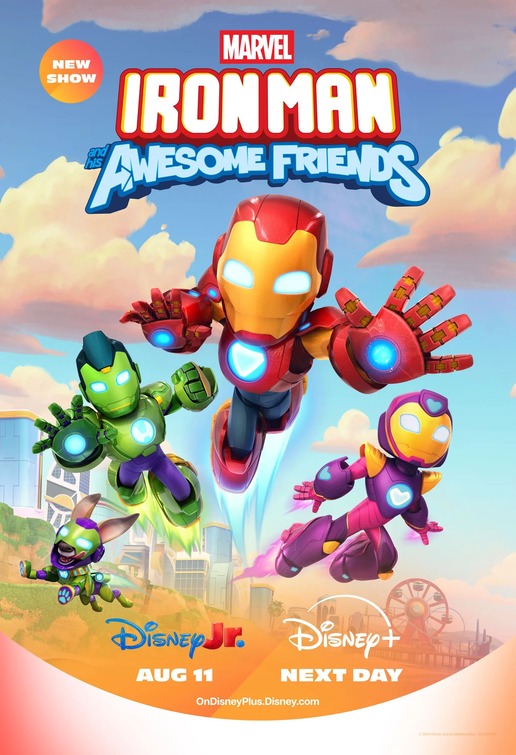
MARVEL SPIDEY AND HIS AMAZING FRIENDS: Episodes 5.1-5.3
Good and evil, drawn bright enough for a four-year-old.
Should You See It?
Here is the decision, and for the preschool set it is an easy one. Three episodes into Season 5, this show is doing one thing very well: drawing a bright, unmistakable line between good and evil, and letting small children see it.
The lessons are stated plainly. Stealing is wrong. Calling names is wrong. Jealousy is wrong. One scene goes further and has the heroes help someone because it is the right thing to do rather than for the praise — a distinction most grown-up television never bothers to make.
The +1 rating is about a handful of small things rather than one big one: light cartoon violence, a little name-calling, a villain who builds a device to mind-control another character, and heroes who use a bit of emotional manipulation to get stolen goods returned. The rating is +1 rather than +3, and what it asks for is discernment: a grown-up within earshot while the little ones watch.
So: put it on, and take the conversations it hands you.
The Story
NO SPOILERS — WE KEEP THE SURPRISESPeter Parker, Gwen Stacy and Miles Morales are Spidey, Ghost-Spider and Spin — three young heroes who look after one neighborhood and take the job seriously.
Season 5 opens with trouble on two fronts. Zola, eaten up with jealousy, steals the crew's rescue truck so the cheering will come his way instead. Across town, another villain is making plans to cover the entire city in slime.
Two problems, three heroes, and one neighborhood counting on them.
Is It Any Good?
Three stars, and the craft is mostly in the look and the sound. The animation is clean and bright, the voice acting stays consistent, and the standout is the opening titles — the classic Spider-Man theme blended with a fresh, energetic spin.
Where it falls short is structure. The pacing rushes. Episodes offer little introduction or setup and drop you straight into the action, which is a jolt of energy at the cost of a story that breathes. Across three episodes the plots repeat themselves in places, too.
Engaging and fun, then, and a step short of excellent. For the audience it is built for, that is a fair trade.
The Worldview
This show believes good and evil are genuinely different things, and that a four-year-old can be trusted to tell them apart. That conviction is the whole program, and it is worth more than it sounds.
The moral worldview here is strong and specific. Kindness. Helping people in need. Selfless service instead of chasing recognition — one scene stops to stress that we help others because it is the right thing to do, not because anyone will praise us for it. Resilience, taught through the simple advice to "make a new plan" when things go wrong. Even health gets a mention: drink plenty of water.
The villains are villains, and the show says so out loud. Stealing is wrong. Calling names is wrong. Jealousy is wrong — and it is Zola's jealousy that sets the season's first trouble in motion. Small children rarely get moral instruction this unembarrassed.
It is not spotless. Theft and bank robbery recur, a villain uses a device to take control of another character's body, and at one point the heroes themselves use emotional manipulation to get stolen goods handed back. That last one is the conversation worth having on the couch: a right outcome does not sanctify every method of reaching it.
What the show gets most right is the lesson grown-ups keep failing. "Beware of practicing your righteousness before other people in order to be seen by them" (Matthew 6:1).
The Content Guide
The specifics — spoilers included by nature — so you can judge for your own family.
<b>
</b> Strong moral worldview promotes kindness, helping others in need (one scene even stresses doing it because it’s the right thing to do instead of helping others for praise), practicing selfless service over seeking praise, learning adaptability and resilience through the advice to “make a new plan” when things go wrong, and maintaining healthy habits like drinking plenty of water for health, clear good versus evil; <b>
</b> No foul language but minor name-calling such as “snitches”; <b>Violence</b>: Light cartoon violence includes a villain crashing into a building while riding a glider, a hero transforms into a bouncy ball to physically bump a villain off his feet, and a character gets trapped on a train track and is nearly run over before a last-second rescue; <b>
</b> No sex; <b>
</b> No nudity <b>
</b> No alcohol use; <b>
</b> No smoking or drugs; and, <b>
</b> Multiple instances of theft and bank robbery, a jealous antagonist steals a rescue truck to manipulate public praise, a villain stealing hot dogs and hats from citizens, villain uses a device violate bodily autonomy by mind-controlling another character, and the heroes use emotional manipulation to trick a villain into returning stolen goods.
Talk About It
Questions for the drive home, the dinner table, or the youth group.
One episode stops to say we help people because it is the right thing to do, not for the praise. Why do you think Jesus cared so much about that difference?
Matthew 6:1–4Zola steals the rescue truck because he wants the cheering for himself. What does jealousy talk a person into, and what talks them back out of it? | James 3:16 · Proverbs 14:30The heroes trick a villain into giving back what he stole. Was that the right way to get a right result — and when does a good goal excuse a shady method? | Romans 12:21 · Proverbs 12:22"Make a new plan" is this show's advice when things fall apart. What plan of yours fell apart, and what did God do with the second one? | Proverbs 16:9 · Romans 8:28The Final Word
Three episodes, twenty-four minutes each, and not a wasted lesson in them. It moves too fast and it repeats itself, but it is bright, kind, funny and completely clear about who the bad guys are and why. Put it on for the little ones, stay within earshot, and let it hand you the conversations. Our answer stands: worth watching.