THE CROWN: Season One
A superbly acted royal epic — brilliant, but strictly for grown-ups.
Should You Watch It?
Here's the case for it. The Crown is historically faithful and superbly acted — John Lithgow's Churchill is described as magnificent — and it treats its subject with a restraint rare in television costume drama. Where shows like The Tudors and Vikings traffic in sleaze, this series is respectful, detailed, and genuinely thoughtful about what it means to sacrifice personal happiness for duty, family, and country.
That seriousness comes with adult content. There's brief nudity, frequent profanity including a sexual use of the f-word, an adulterous relationship treated with some sympathy, and a "morality is changing" refrain pressed by characters who want their affair blessed. Underneath it all is a worldview where God is invoked mostly at ceremonies — present in name, absent in practice.
This is a series for adults who can hold both truths at once: that it's beautifully made, and that its content and its quiet deism require a discerning eye. Watch it as a grown-up, weigh it as a grown-up, and skip it for the kids.
The Story
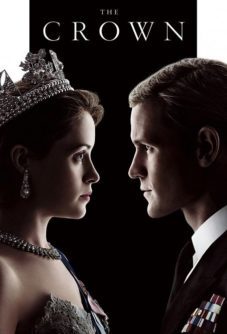
NO SPOILERS — WE KEEP THE SURPRISESPrince Philip of Greece gives up his nationality to marry Elizabeth Windsor, the shy young princess next in line for England's throne. Years later, Elizabeth is a happy Navy wife on Malta, supporting Philip's career far from the crown. But her father the King is secretly failing, and duty is about to call the young couple home to London — where a country recovering from war, an empire coming apart, and a Prime Minister determined to hold onto power are all waiting for her.
Is It Any Good?
Four stars means this is as good as television historical drama gets, and the source material behind it earns every one. The writing draws the season's central conflict — duty versus individual desire — with subtlety through Elizabeth's competing loyalties, rather than spelling it out. John Lithgow's Churchill is singled out as a magnificent performance, and the overall production is praised for impeccable historical detail.
What sets it apart from lesser prestige-costume television is restraint: this is a series willing to be serious rather than sensational, a "welcome departure" from shows that use history as an excuse for spectacle. The result is a show that earns comparisons to the best of the genre — and asks more of its viewers because of it.
The Worldview
This series takes duty, marriage, and self-sacrifice seriously — rare virtues to see honored on screen. Elizabeth is shown choosing her country and her oath over her own happiness, again and again, and the show treats that choice as costly and admirable rather than foolish. Marital fidelity and loyalty to family are praised outright, and even when Elizabeth and Philip's marriage strains under the weight of the crown, their continued commitment to each other is portrayed as something worth keeping.
But the God behind that duty is a distant one. The blessings of the Bible get invoked mostly at ceremonies; the Archbishop reminds Elizabeth of her oath to "defend the faith," yet no one in this world is shown seeking a personal relationship with God, or turning to Scripture for guidance in ordinary life. It's a deistic universe — God present in title, absent in practice — and that absence has consequences. Elizabeth chooses duty over her loved ones' wishes again and again, and the show is honest that this costs her domestic happiness and inner peace, with nothing offered to fill the gap.
Scripture offers what this world quietly can't: not just duty for duty's sake, but a Father who is near to those who call on Him. "The Lord is near to all who call on him, to all who call on him in truth" (Psalm 145:18). A crown without that nearness, this series shows, is a heavy thing to carry alone.
The Content Guide
The specifics — spoilers included by nature — so you can judge for your own family.
Content Summary
Light Christian and moral but slightly Deist worldview where the blessings of the God of the Bible are invoked sometimes invoked (mostly for ceremonial occasions, however), and the Archbishop of Canterbury reminds Elizabeth of her oath to be the “Defender of the Faith,” but people aren’t expected to have a personal relationship with Jesus or seek guidance from God, the Church or the Bible on personal matters, and marital fidelity and loyalty to family are praised, and a selfless commitment to God-given duty is seen as most important, plus some light Romantic/relativist elements with a repeated line “morality is changing”, when adulterous lovers want the Queen to approve their marriage; many profanities and one “f” used in a sexual context, the King recites an obscene limerick which includes the an obscenity to help his stage-fright, and Prince Philip uses some crass language about horse-breeding; suspenseful scene as a wild elephant threatens to charge, dramatic hospital scenes as London is hit with a poisonous fog that’s fatal to some, bus hits woman in London, one graphic scene of lung surgery, daughter visits her father’s body during the embalming process, wife throws things at her husband during an argument; sexual content contains obscene limericks in Episode 1, a young woman mentions bringing young men to her apartment, one married couple shown talking in bed together, an unmarried couple kiss frequently and may be sleeping together while the man is still married to another woman, but it’s unclear, woman visits the man in his bedroom after his divorce and hugs him in bed fully clothed, a scene with horses mating, and a bystander makes crass jokes about it, eccentric old man handles his (clothed) private area as he leaves the room presumably to use the restroom, engaged couple are seen together in a hotel room before going to bed; rear male nudity (Episodes 1 and 2) on two occasions as man is seen sleeping in bed without clothes, slides of scantily clad foreign dancers at a gentleman’s club, Churchill is seen from the waist up in his bathtub; frequent alcohol consumption, Philip comes home drunk several times; constant smoking of cigarettes and cigars, and sick man injects what seems to be morphine for pain relief; and, Queen Elizabeth and Philip’s marriage suffers from the strain of her job, much deceitful intrigue as courtiers and politicians seek to manipulate Queen Elizabeth, and Churchill orders subordinates to lie about his health condition, but he’s strongly reproved, the Duke of Windsor is insulting and vengeful to both his family and the people who made him choose between his mistress and the crown, Princess Margaret is jealous of Queen Elizabeth and tells her she will never forgive her for standing in the way of her love affair, Prince Philip struggles with his passive role as Prince Consort and starts to party and drink too much, leading to conflict with Elizabeth, but he apologizes.
Talk About It
Questions for the drive home, the dinner table, or the youth group.
Elizabeth repeatedly chooses duty over her own happiness and her family's wishes. What does Scripture say about the cost — and the reward — of putting others before ourselves?
Philippians 2:3–4 · Ecclesiastes 12:13In this world, God is invoked at ceremonies but rarely sought in daily life. What's the difference between honoring God in title and actually walking with Him?
Jeremiah 29:13 · Psalm 145:18Churchill lies about his health and is "strongly reproved" for it. Why does Scripture treat honest correction between friends as a mercy rather than an insult?
Proverbs 27:5–6Elizabeth and Philip's marriage strains under pressure but survives through continued commitment. What does a marriage covenant require when love feels hard to sustain?
Malachi 2:14–16 · Matthew 19:6The Final Word
The Crown earns its four stars — it's serious, restrained, beautifully acted television that treats duty, family, and sacrifice as virtues worth admiring. It also earns its caution: nudity, sharp language, an adulterous romance, and a God who's more mascot than Father. Our answer stands: worth watching — adults only. Looking for something the whole family can watch together instead? Start with our latest family-friendly picks.