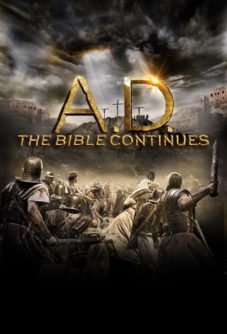
A.D.: THE BIBLE CONTINUES: The Wrath
Empowered to change the world through the Gospel of Jesus Christ.
Should You Watch It?
Episode 4 is one of the best-structured episodes of the series. Its plot is strong, and it gives the Gospel real dramatic weight as Peter and John face opposition, the lame walk, and the dead are resurrected in the Name of Jesus.
The episode includes bloody violence. Pilate uses brutal methods, threatens to crucify 10 Jews a day, and forces Caiaphas to eat the ashes of a dead centurion. A crucified Jew has part of his leg eaten away, and the deaths of Ananias and Sapphira are disturbing.
If your family can handle those scenes, this is a powerful testimony of the Gospel of Jesus Christ. WORTH WATCHING is the practical answer.
The Story
NO SPOILERS — WE KEEP THE SURPRISESAfter an assassination, Pilate uses brutal methods to find the person responsible. At the same time, Caiaphas tries to discredit Peter and John after a cripple is healed at the gate of the temple.
The religious authorities challenge the apostles and their preaching before the Sanhedrin. But the attempt to silence them does not go as planned.
Is It Any Good?
Four stars means this episode succeeds as both drama and testimony. It is one of the best-structured episodes of the series, with a strong plotline that keeps the conflict focused.
The episode also presents the Name of Jesus as central and powerful. The healing, resurrection, and presence of the Holy Spirit give the story spiritual force. The bloody violence is the principal drawback, but the episode remains a powerful piece of biblical drama.
The Worldview
This episode presents a strong Christian, biblical worldview. The Name of Jesus is lifted up through healing and resurrection, while the Holy Spirit is shown as a very real and powerful person. The episode also portrays the apostles’ preaching and teaching as something opposition cannot finally destroy.
Its central message aligns closely with the Gospel of Jesus Christ: God’s power works through Jesus’ name, and the Holy Spirit empowers His people. The episode’s violence is serious, but it does not displace the story’s Christian focus.
Jesus told His disciples, “You will receive power when the Holy Spirit has come upon you, and you will be my witnesses” (Acts 1:8).
The Content Guide
The specifics — spoilers included by nature — so you can judge for your own family.
Content Summary
Very strong Christian, biblical worldview; no foul language; some violence when Pilate crucifies 10 people a day and the Holy Spirit kills lying couple, Pilate forces Caiaphas to eat the ashes of a dead centurion, and torture; no sex; upper male nudity as people are crucified; no alcohol; no smoking or drug use; and, nothing else objectionable.
Talk About It
Questions for the drive home, the dinner table, or the youth group.
Peter and John continue preaching when powerful people try to silence them. What helps Christians speak faithfully when they face opposition?
Acts 4:18–20 · Acts 1:8The episode shows the Name of Jesus bringing healing and resurrection. What does Jesus’ authority mean for the way we pray and live?
Acts 3:6 · John 11:25–26The Holy Spirit is presented as a real and powerful person. What does Scripture teach about who the Holy Spirit is and what He does?
John 14:16–17 · Acts 1:8Caiaphas tries to deny what happened at the temple gate. Why can people resist evidence that challenges what they want to believe?
John 3:19–21 · Romans 1:18–20The Final Word
With a strong plot, excellent structure, and a clear testimony of the Gospel, this episode gives viewers much to consider. Its bloody violence calls for parental discernment, especially with younger children. For families and viewers who can handle those scenes, WORTH WATCHING.