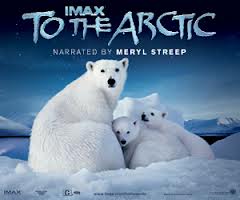
TO THE ARTIC 3D
Stunning Arctic photography, but wait for a clearer account.
Should You Watch It?
The strongest reason to see To the Arctic 3D is its photography. Snowfall, immense summer ice flows and Arctic wildlife are captured with striking 3D IMAX beauty. The film eventually reaches a compelling story about a mother polar bear and her two cubs searching for food and defending themselves from a male bear.
The cost is patience and discernment. The first half is largely informational and episodic, and the filmmakers use the documentary to promote a global-warming theory about the total destruction of Arctic ice by 2040 or 2050. The review notes that the extent and causes of melting are disputed by some scientists.
If you want the images and can discuss the film's claims with your family, watch it at home. That is the better setting for this beautiful but flawed documentary.
The Story
NO SPOILERS — WE KEEP THE SURPRISESThis 40-minute IMAX documentary explores the Arctic and the animals that live there. It introduces viewers to people connected with the region, including an Inuit person, a diver who explores beneath the ice, and scientists following migrating caribou herds.
The film eventually centers on a mother polar bear and her two cubs as they search for food among the summer ice flows.
Is It Any Good?
Three stars means this is a worthwhile but flawed documentary. The 3D IMAX photography is amazing, beginning with falling snow and a huge summer ice flow. The Arctic landscapes and animals provide the film's most captivating material.
The structure is less successful. It takes too long to reach the mother polar bear and her cubs, so the first half feels more like an informational documentary than a dramatic narrative. The story is also somewhat episodic.
The Worldview
The film presents a light mixed or pagan worldview with some moral and redemptive elements centered on a mother polar bear defending her cubs. That protective bond gives the documentary an emotionally accessible center.
Its larger message is environmentalist advocacy about global warming and the possible destruction of Arctic ice. The review says this presentation seems somewhat out of date and may be contradicted by recent evidence, while noting that the extent and causes of Arctic ice melting remain disputed by some scientists. The film therefore asks viewers to receive a particular environmental argument rather than simply observe Arctic wildlife.
The mother bear's care for her cubs can remind viewers that creatures deserve thoughtful regard. Scripture says, “Whoever is righteous has regard for the life of his beast” (Proverbs 12:10).
The Content Guide
The specifics — spoilers included by nature — so you can judge for your own family.
Content Summary
Light mixed or pagan worldview with some moral and redemptive elements about a mother polar bear defending her cubs, marred by some overt environmentalist proselytizing about global warming, which seems a little out of date and may be contradicted by some recent evidence; no foul language; polar bear finds a seal and feeds it to her cubs, and their fur becomes red with the blood; no sex; no nudity; no alcohol; no smoking; and, some proselytizing.
Talk About It
Questions for the drive home, the dinner table, or the youth group.
The documentary presents a strong claim about Arctic ice. How can we listen carefully, examine evidence and remain humble when experts disagree?
Proverbs 18:17 · 1 Thessalonians 5:21The mother polar bear defends her cubs and searches for food for them. What does responsible care for animals and creation look like?
Proverbs 12:10 · Genesis 2:15The film combines beautiful images with a persuasive message. How can something beautiful move us without making us accept every claim it presents?
Philippians 4:8 · Acts 17:11The cubs eat a seal, and their fur becomes red with blood. How does nature's beauty also include death and hardship?
Psalm 104:21 · Romans 8:22The Final Word
To the Arctic 3D offers magnificent photography and a worthwhile look at Arctic wildlife, but its episodic storytelling and disputed environmental claims call for discernment. Watch it at home, where you can discuss its message with your family. WAIT FOR HOME. For other options, see.