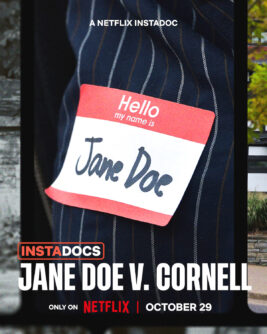
INSTADOCS: JANE DOE V. CORNELL
A look into the Jane Doe V. Cornell 7 case, and the limitations of Title IX.
Should You Watch It?
Yes, but use caution. INSTADOCS: JANE DOE V. CORNELL explores the controversial sexual assault case that made headlines in 2026, largely through the eyes of the student journalists at The Cornell Daily Sun who kept the story alive. Along the way, experts explain how a report to police differs from a report to a campus Title IX office.
Apart from a quick summary at the start, the minidoc skips the details of the alleged assault. Instead, it zeroes in on how schools and police handle these reports and why so many people believe Cornell let Jane Doe down.
The documentary rightly backs assault victims, but it views the issue mostly through gender and power rather than truth and individual accountability, and it says Cornell, its Title IX office, and campus police care more about image than student safety. Nearly every voice comes from Jane Doe’s side, while the Cornell 7, who deny the allegations and faced no charges, never appear on camera. Christians can stand with victims and still demand fairness, since Proverbs 18:17 warns that “the one who states his case first seems right, until the other comes and examines him.”
Talk of rape and sexual assault comes up often, but speakers avoid specific language, and the camera shows nothing graphic. Still, the subject matter may upset some viewers. You’ll also hear some foul language and discussion of alcohol and drug abuse. INSTADOCS: JANE DOE V. CORNELL gives a clear overview of the legal ins and outs with little excessive content, but parents should keep this one away from children and teens.
The Story
NO SPOILERS — WE KEEP THE SURPRISESINSTADOCS: JANE DOE V. CORNELL explores the often flawed system for reporting campus assaults. Using the recent Jane Doe case, the minidoc explains a victim’s options and why they often choose among several unsatisfactory choices. With interviews from former students, members of the school newspaper, and Title IX experts, this documentary offers an informative, concise look at how these systems can fail.
Is It Any Good?
Four stars mean this docu-series gets it right where it counts. This installment in Netflix’s INSTADOCS series, JANE DOE V. CORNELL, offers an informative overview of how Title IX regulations protect victims of sexual assault and bring their assaulters to justice. Unfortuantly, this system often fails.
The doc uses the recent Jane Doe Vs. Cornell 7 case as a framework. It focuses on the options available to sexual assault victims and the reasons these options often lead to dissatisfaction on all sides. Interviews from students, both past and current, along with experts on Title IX and the Cornell 7 case, make this minidoc an educational watch that clearly explains a complicated process.
The Worldview
JANE DOE V. CORNELL carries a moral worldview with strong Romantic and some feminist elements. The people at its center want to bring wrongdoers to justice and shine a light on campus sexual assault, and they argue that many universities fall short when they handle these cases.
The documentary paints the Cornell case as one piece of a larger “rape culture” in colleges and frat houses, and it casts schools, Title IX offices, and campus police as villains who care more about lawsuits and reputation than about students. That view fits the Romantic idea of institutions as a corrupting force. The minidoc leans on the young women of The Cornell Daily Sun who first reported the story, and it gives airtime to Jane Doe’s lawyer and New York Governor Kathy Hochul.
Things get complicated, though, because the case comes down to one person’s word against another’s. The Cornell 7 deny the allegations, and the local district attorney declined to prosecute for lack of evidence, yet the accused men never speak on camera, so viewers hear only one side in full.
At its heart, this minidoc asks viewers to stand with victims of sexual assault and start conversations that might fix broken systems. Christians can stand with victims and still demand fairness, since God cares for the wounded yet also warns in Proverbs 18:17 that “the one who states his case first seems right, until the other comes and examines him.”
The Content Guide
The specifics — spoilers included by nature — so you can judge for your own family.
Dominant Worldview and Other Worldview Content/Elements
A moral worldview with strong Romantic and some feminist elements, as people support victims of sexual assault, work to bring wrongdoers to justice, and push for reform so schools help victims better; the documentary treats the Cornell case as a symptom of a wider “rape culture” across campuses and fraternities, and it casts universities, Title IX offices, and campus police as the main villains, institutions more concerned with liability and public image than with students, which reflects a Romantic view of institutions as the corrupting force; the narrative centers on the female student journalists at The Cornell Daily Sun who broke the news, along with Jane Doe’s attorney and New York Governor Kathy Hochul, while the Cornell 7 never appear on camera, so the minidoc mentions their denials and the district attorney’s decision not to file charges but never weighs their side in depth.
Foul Language
Four obscenities, including three “f” words and one “h” word, and four OMGs
Violence
Discussion of violence against a female student
Sex
Several discussions about sexual assault, but the language stays vague and never gets graphic
Nudity
No nudity
Alcohol Use
In the recitation of Jane Doe’s allegations, she mentions heavy intoxication
Smoking and/or Drug Use and Abuse
In the recitation of Jane Doe’s allegations, someone mentions her claim that her alleged assaulters gave her drugs, including ketamine;
Miscellaneous Immorality
Footage of people who speak unkindly about Jane Doe and accuse her of lies, plus some debate about the case, since it comes down to one person’s word against another’s, and the Cornell 7 maintain Jane Doe falsely accused them.
Talk About It
Questions for the drive home, the dinner table, or the youth group.
The documentary speaks frankly about rape and sexual assault, and how it impacts victims. In biblical narratives that address sexual violence, where is God positioned, and how does Scripture honor the pain of the victim? 2 Samuel 13, Genesis 34
Much of the frustration directed to Cornell centers on people’s feeling that the school did not properly hold the accused assaulters accountable. How can we practice biblical accountability without falling into legalism or moral indifference? Hebrews 10:24-25
The members of the Cornell newspaper reported on the story in hopes to support Jane Doe. In what ways does scripture shape how we ought to respond to someone in pain? Psalm 34:18
The Final Word
INSTADOCS: JANE DOE V. CORNELL offers a brief but informative look at the Cornell 7 case through the eyes of the student journalists who covered it, and it argues that Title IX rules often fail victims. The minidoc rightly backs victims and seeks justice, but it tells mostly one side and includes foul language, mentions of drug and alcohol abuse, and frank talk about sexual assault. Not for kids or teens.