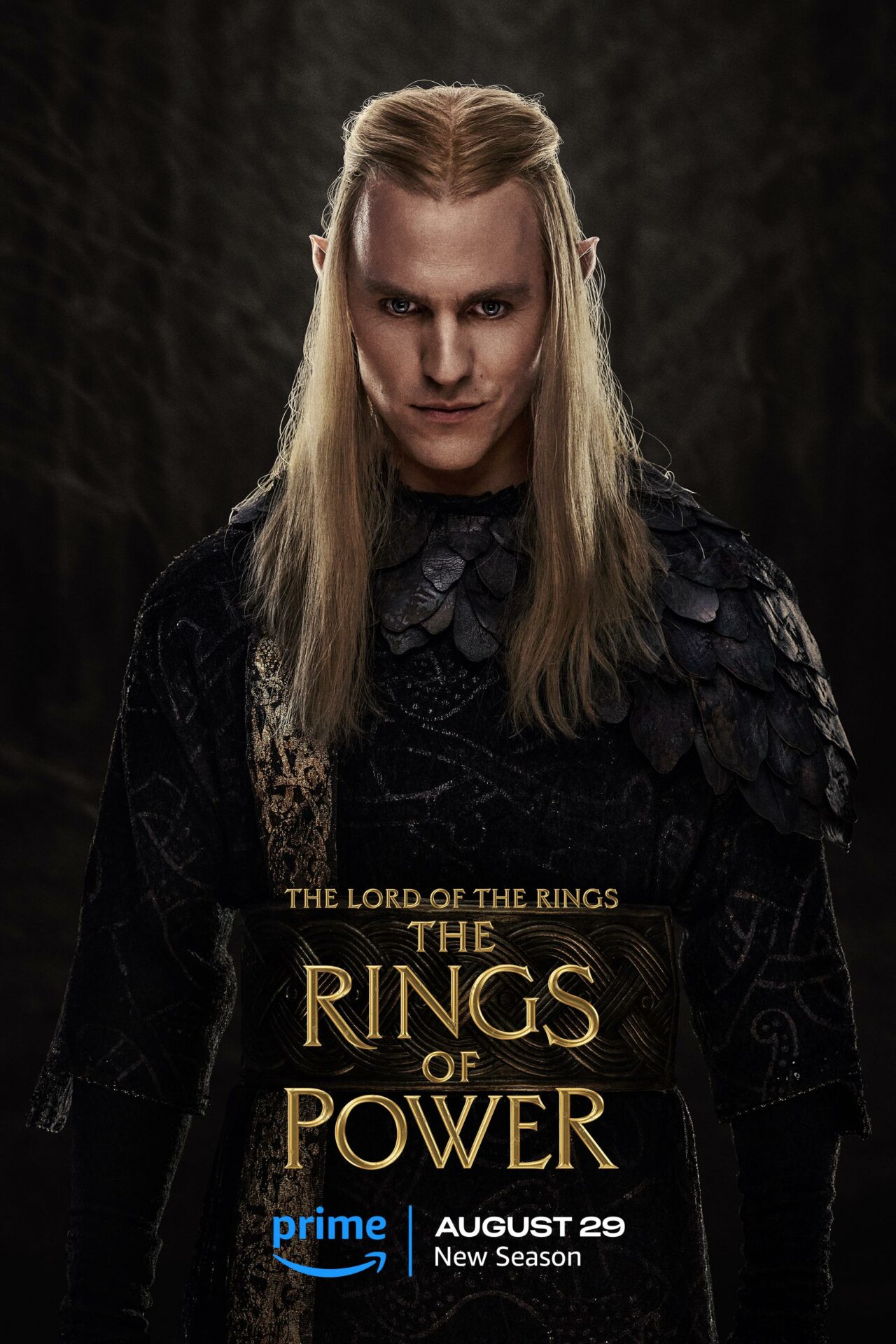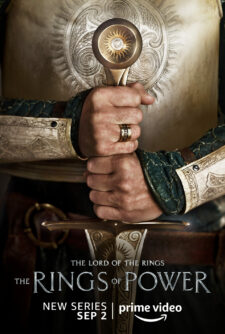
THE LORD OF THE RINGS: THE RINGS OF POWER: Episode 1.6
A thrilling battle episode with a strong moral, redemptive worldview.
Should You Watch It?
After a lackluster Episode Five, this episode gets the series back on track. It delivers a true mythical epic with lots of jeopardy, an exciting battle, and background about Adar’s identity and motives.
The episode also presents a strong moral, redemptive worldview. It tells a story of good against dark, occult, demonic evil and, for the first time in the series, refers to “The One,” the Creator-God of Middle Earth.
The cost is intense battle violence with some blood. This is best for teenagers and adults, while parents should use discernment with younger children. If that content is appropriate for your family, this episode is worth watching.
The Story
NO SPOILERS — WE KEEP THE SURPRISESThe humans of the Southlands prepare to defend their tower castle from Adar and his Orc army. Adar is an immortal elf corrupted and deformed by the demonic fallen angel Morgoth.
Meanwhile, ships from Númenor carrying 500 troops reach the western shores of Middle Earth. The troops prepare to cross the mountains and enter the valley of the Southlands, where an epic confrontation is forming.
Is It Any Good?
Four stars means this episode is a standout installment. After the previous episode’s lackluster quality, Episode Six delivers a true mythical epic with lots of jeopardy and excitement.
The battle gives the episode its momentum, while the story provides background to Adar’s identity and what makes him tick. The episode also strengthens the series’ moral and redemptive themes. Overall, it gets the series back on track.
The Worldview
This episode presents a strong moral, redemptive worldview. It tells a story of good against dark, occult, demonic evil. Adar says Sauron was seeking hidden supernatural power, which is a good definition of occult evil. The episode also includes a subplot about hunting for an evil magical device.
For the first time, the series refers to “The One,” the Creator-God of Middle Earth and the Creator of life in Christian author Tolkien’s fantasy saga. That reference gives the episode a clearer understanding of creation and moral reality. Its depiction of occult and demonic evil remains a concern, but the story frames those forces as evil rather than admirable.
The episode’s central longing is for good to overcome darkness. Scripture gives that hope its fullest foundation: “The light shines in the darkness, and the darkness has not overcome it” (John 1:5).
The Content Guide
The specifics — spoilers included by nature — so you can judge for your own family.
Dominant Worldview and Other Worldview Content/Elements
Strong moral, redemptive worldview, with a reference to God, the Creator of Life, in a story about a battle between good and occult, demonic evil (a villain says a major villain was seeking hidden supernatural power, which is one definition of the occult, and there’s a subplot about hunting for an evil magical device)
Foul Language
No foul language
Violence
Strong, intense battle violence with some blood includes characters hit by arrows and spears and swords, some hand-to-hand combat, a character has to pull an arrow out of another character’s shoulder, and the two wounds are cauterized with a hot iron to stop the loss of blood, two characters battle over a sharp weapon that’s pulled out of one’s face and that comes close to piercing another one’s eye, humans use burning carts to stop an army from overunning them, characters almost kill a captive who irks them
Sex
No sex, but an elf kisses the human woman he loves
Nudity
No nudity
Alcohol Use
No alcohol use, but humans use a tavern for their refuge of safety during a battle
Smoking and/or Drug Use and Abuse
No smoking or drugs;
Miscellaneous Immorality
Two heroic characters almost let revenge take over their actions, but they pull each other back from the edge.
Talk About It
Questions for the drive home, the dinner table, or the youth group.
The episode presents a battle between good and demonic evil. How can you recognize evil without becoming fascinated by it?
Isaiah 5:20 · Ephesians 5:11–12The story introduces “The One,” the Creator of life. What difference does it make to believe that the world and life belong to God?
Genesis 1:1 · Acts 17:24–25Two heroic characters nearly let revenge control their actions. What helps a person step back from revenge?
Romans 12:19–21 · Proverbs 20:22The characters prepare to defend others in great danger. When should courage lead us to protect people who need help?
Psalm 82:3–4 · Proverbs 31:8–9The Final Word
Episode Six delivers the mythical scale, jeopardy, and moral clarity the series needed. Its intense battle violence and supernatural evil call for parental discernment with younger children, but teenagers and adults who can handle that content should find this episode WORTH THE TRIP — TEENS AND ADULTS.