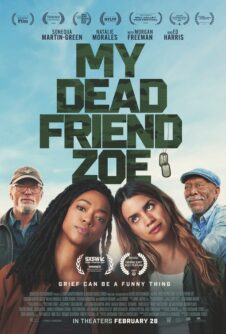
MY DEAD FRIEND ZOE
A veteran's grief, healed with hard grace — and hard language.
Should You Watch It?
Here is the decision. This is a powerfully drawn film about survivor's guilt, built by a first-time director out of his own battle with PTSD — and it shows. The story honors much that Scripture honors: forgiveness, healing, respect for family and elders, and the sacrifices soldiers make. The final act is extremely moving; the source notes it left festival audiences in tears.
It also earns its R. There are about two dozen obscenities, including eleven "f" words, and the subject matter — war trauma, a friend's death, a grandfather slipping into Alzheimer's — is genuinely troubling. The middle drags. This is not gentle viewing.
So: if you are an adult who can carry hard language and harder grief, this is a rewarding watch, especially if PTSD has touched your life. If you are choosing for children or teens, choose something else. For grown-ups exercising caution, it's worth the trip.
The Story
NO SPOILERS — WE KEEP THE SURPRISESMerit (Sonequa Martin-Green) is a young Afghanistan veteran carrying more than she'll admit — the weight of war, and the loss of her best friend and fellow soldier, Zoe (Natalie Morales).
She's meant to be healing in a support group led by a wise counselor, Dr. Cole (Morgan Freeman). She isn't. Then her mother calls: Merit's grandfather (Ed Harris), losing himself to Alzheimer's, was found wandering far from home, and needs her care. Between the grandfather she must help and the friend she can't let go, Merit is running out of room to hide — and there's a secret underneath it all.
Is It Any Good?
Three stars, and here's what they mean. Kyle Hausmann-Stokes makes an impressive feature debut, writing what he knows — his own PTSD, and that of other veterans — and bringing vivid, cathartic emotion to the screen. He's blessed with a fine cast, pairing two largely unknown young leads with acting royalty in Morgan Freeman and Ed Harris. The film grabs viewers early and builds to a powerful, tear-earning conclusion.
The problem is the middle. The pace runs too slow and skips important plot points, draining momentum from a story that otherwise lands hard on both ends. It's a good film held back from being a great one by its second act — but the bold, honest approach to grief and recovery makes the trip worthwhile.
The Worldview
This is a film with a strong moral center. It stresses forgiveness and healing, treats family and elders with respect, and carries a patriotic gratitude for the sacrifices American soldiers make in risking their lives and wellbeing. There's a thread of light redemptive content running through it — a story about a wounded person learning, slowly, to accept help and face the truth.
That's a hopeful frame for hard material. War leaves scars, and this movie doesn't pretend otherwise; the director himself calls the film part of his own healing. What Merit fights her way toward — release from guilt, freedom to live again, the courage to face what she's hidden — is a longing the film names honestly even as it stays largely in human terms. It knows the wound; it reaches toward the healing.
Scripture reaches further, to the source of the healing Merit is looking for: "He heals the brokenhearted and binds up their wounds" (Psalm 147:3). The film's ache for release from guilt points, whether it knows it or not, toward the One who carries it.
The Content Guide
The specifics — spoilers included by nature — so you can judge for your own family.
Dominant Worldview and Other Worldview Content/Elements
Strong moral worldview with some light redemptive content stresses forgiveness and healing, displays respect for family and elders, and has a patriotic view about the sacrifices American soldiers make for serving their country and risking their lives and wellbeing
Foul Language
About 24 obscenities (including 11 “f” words) and one GD profanity
Violence
A tragic death is implied and talked about
Sex
No sex
Nudity
No nudity
Alcohol Use
A few scenes of casual drinking in bars, and one woman gets boisterous in one scene because of drinking
Smoking and/or Drug Use and Abuse
Some casual tobacco smoking in two or three scenes, but no drugs;
Miscellaneous Immorality
A woman shouts and makes a ruckus at PTSD meeting, but it’s a delusion of a military woman who’s suffering PTSD and hallucinates about her friend who died in war.
Talk About It
Questions for the drive home, the dinner table, or the youth group.
Merit carries a secret guilt about her friend's death that nearly buries her. Where do we take guilt we can't set down ourselves?
Psalm 32:1–5 · 1 John 1:9The film is honest about how deeply war wounds the mind and spirit. How can we care for people carrying invisible scars like PTSD?
Galatians 6:2 · 2 Corinthians 1:3–4When Merit's grandfather begins to fade, she's called to step in and care for him. What does honoring our elders look like when it costs us something?
Exodus 20:12 · 1 Timothy 5:4This is a story about a person learning to accept help she kept refusing. Why is it so hard to let others — and God — carry us?
Matthew 11:28–30 · Psalm 55:22The Final Word
This is a moving, honest film about the wounds war leaves and the long road back to life — held back only by a slow middle and heavy language. It's not for the whole family, but for adults who can carry it, there's real reward here. So here's our answer, the same one we opened with: worth the trip — adults only. Planning family movie night instead? Start with our latest family-friendly picks.