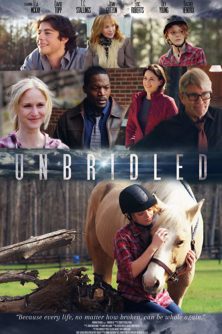
UNBRIDLED
A wounded teenager finds healing, hope, and hard-won freedom.
Should You Watch It?
UNBRIDLED tells a painful story with a hopeful center. Its strongest moments show healing, reconciliation, joy, and the possibility of freedom after abuse. The Christian worldview is clear, and the horse-therapy setting gives Sarah’s recovery a gentle visual and emotional focus.
The film does ask something of you. Violence and conversation about sexual abuse may be difficult for sensitive teenagers. The pacing sometimes feels uneven, and some positive elements arrive without enough preparation. Still, the cast gives solid performances, and the story is ultimately inspiring.
If you are choosing for a teenager or adult who can handle the difficult material, UNBRIDLED is worth seeing; use particular discernment with sensitive viewers and younger children.
The Story
NO SPOILERS — WE KEEP THE SURPRISESSixteen-year-old Sarah is trapped in an abusive situation involving her alcoholic mother’s boyfriend, Roger. After he is arrested, Sarah is introduced to Unbridled, a horse-therapy ranch for troubled teenagers.
There she meets other girls with similar stories and bonds with Dreamer, a horse rescued from abuse. As Sarah begins rebuilding her life, the safety she has found is threatened, forcing her to face painful choices about trust, family, and freedom.
Is It Any Good?
Three stars means UNBRIDLED is well-acted and ultimately inspiring, though not consistently polished. The cast gives solid performances, and the camera shots of horses and scenery are breathtaking.
The pacing sometimes feels uneven, while other scenes are perfectly clear. Music in a few moments distracts from what is happening on screen, and some positive elements seem to come out of nowhere. Even so, the film’s uplifting moments and emotional story give it genuine value.
The Worldview
UNBRIDLED presents a strong Christian, biblical worldview. It includes scattered biblical references, characters who exemplify Christian values, conversations about God, and a character sending a Bible verse to a friend. Reconciliation and joy are treated as real sources of hope.
The film’s moral framework is especially visible in its treatment of abuse, healing, and restoration. Alcoholism is depicted but rebuked. The story also shows how damaged people can begin to recover through care, truth, and supportive relationships.
The review does not identify a major departure from a biblical view. Its central emphasis is that healing and freedom are possible after profound harm, though the difficult subject matter and violence require discernment.
Scripture gives this hope a deeper foundation: “He heals the brokenhearted and binds up their wounds” (Psalm 147:3).
The Content Guide
The specifics — spoilers included by nature — so you can judge for your own family.
Dominant Worldview and Other Worldview Content/Elements
Strong Christian worldview with strong moral elements and biblical references, some characters exemplify Christian values, the power of reconciliation depicted, and character sends a Bible verse to a friend but doesn’t cite the bible as the source, and characters talk about God
Foul Language
No foul language, one unclear hand gesture
Violence
Strong and light violence includes character appears with a bruised eye alluding to domestic violence, characters seen carrying loaded guns and occasionally pointing them at each other, teenager cuts her wrists in attempted suicide with some blood depicted, teenager digs into her wrists with her nails, tasing depicted, and horse hit by a moving van but not fully shown
Sex
References to underage prostitution and sex trafficking
Nudity
Teenager showers but only shoulders shown
Alcohol Use
Alcoholism depicted but rebuked, character shown pouring a glass of liquor, hangovers referenced
Smoking and/or Drug Use and Abuse
No smoking or human drug abuse, but character alludes to giving steroids to a horse;
Miscellaneous Immorality
Lying, emotional manipulation, abuse, kidnapping, and dysfunctional family portrayals.
Talk About It
Questions for the drive home, the dinner table, or the youth group.
Sarah’s story centers on healing after abuse. What helps people move from secrecy and fear toward truth and safety?
Psalm 34:18 · Galatians 6:2The film depicts reconciliation and joy. What is the difference between forgiving someone and ignoring the harm they have done?
Ephesians 4:32 · Romans 12:18Alcoholism affects Sarah’s family. How can compassion and truth work together when someone’s choices are hurting others?
Ephesians 4:15 · Proverbs 27:5–6Sarah finds hope through care and meaningful connection. How can your family help someone who is struggling without trying to carry the burden alone?
Romans 12:15 · Galatians 6:2The Final Word
UNBRIDLED is an imperfect but moving story of healing, reconciliation, and hope. Its violence and abuse-related material call for discernment, especially with sensitive teenagers. For viewers who can handle those concerns, WORTH THE TRIP — MIDDLE SCHOOL AND UP.