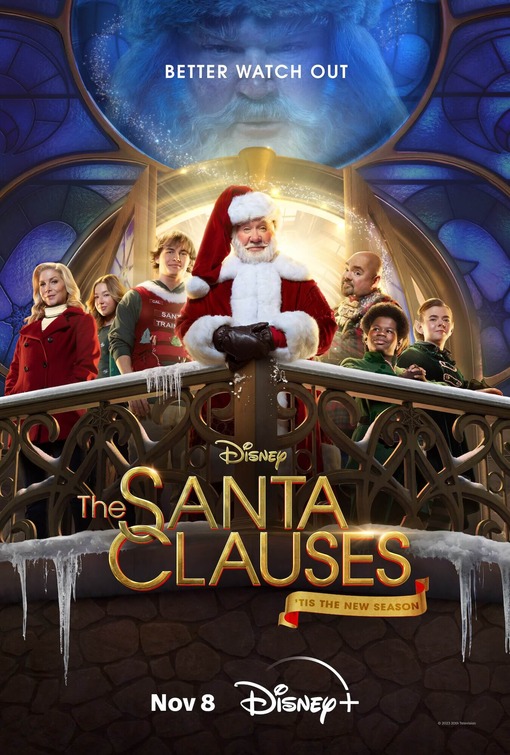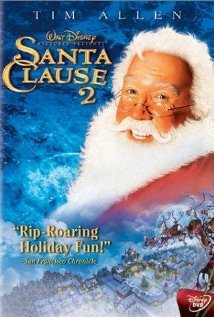
THE SANTA CLAUSE 2
A funny holiday romp with Christmas ideas to weigh.
Should You Watch It?
Yes, if your family can discuss the movie’s Christmas ideas with discernment. THE SANTA CLAUSE 2 is a colorful, exciting, well-produced holiday comedy, and Tim Allen is very funny in his dual roles as the Real Santa and the Fake Santa.
The movie also offers positive messages about responsibility, grace, moral legalism, and totalitarianism. Its strongest ideas show that everyone has done wrong and that grace can cover a multitude of sins.
The concern is theological. References to Mother Nature, Cupid, and other legendary figures create a pagan backdrop, while some plot elements suggest that Santa gives Christmas its meaning. Middle schoolers and older viewers can enjoy the romp with guidance; parents of younger children should choose carefully.
The Story
NO SPOILERS — WE KEEP THE SURPRISESScott Calvin has settled into his role as Santa Claus, but two problems threaten his work at the North Pole. His son, Charlie, has been placed on the “Naughty” List, and Scott must find a Mrs. Claus or lose his magical powers.
To cover for him, the elves create a life-sized Toy Santa. Scott returns home to repair his relationship with Charlie and pursue a new relationship of his own, while the substitute Santa creates unexpected trouble at the North Pole.
Is It Any Good?
Four stars means this is excellent family entertainment, even though its worldview needs discussion. The colorful sets, exciting story, comical jeopardy, and holiday setting make the movie an enjoyable romp for children and adults.
Tim Allen is especially funny in his dual roles as the Real Santa and the Fake Santa. The Toy Santa’s dictatorship also provides an effective satire of two-bit dictators such as Fidel Castro and Saddam Hussein. The film is one of Hollywood’s better-produced holiday-oriented family offerings from the last few years.
The Worldview
THE SANTA CLAUSE 2 offers solid moral and redemptive elements, especially its message about grace. The Toy Santa discovers that every child has been naughty at some point and responds with insane legalism. The film rejects that harsh judgment and presents Santa and the elves as recognizing that grace can cover a multitude of sins.
The movie also warns against totalitarianism and moral legalism. Its comic dictatorship, enlarged Toy Soldiers, and strange definitions of naughty and nice turn the world upside down in order to criticize oppressive rule.
The mixed message comes from the film’s pagan Christmas framework. Santa encounters Mother Nature, Cupid, the Easter Bunny, the Sandman, Father Time, and the Tooth Fairy. The references are mostly played for laughs, but Mother Nature and Greek mythology conflict with the biblical view of God and Creation.
The movie also suggests that without Santa, Christmas would not exist. That can diminish the importance of Jesus Christ’s birth as the reason for the season. The film’s longing for grace points beyond Santa to the gospel: “For by grace you have been saved through faith” (Ephesians 2:8).
The Content Guide
The specifics — spoilers included by nature — so you can judge for your own family.
Content Summary
Eclectic pagan worldview about the Christmas holiday includes references to legendary figures like Santa Claus, Mother Nature, the Tooth Fairy, and Cupid with some solid moral and redemptive elements (especially about the need for Grace) and some unbiblical moments where Santa replaces the redemptive birth of Jesus Christ as the reason for the season; several references to “butt,” a couple uses of the word “heck” and reindeer passes gas in one scene; comical, action violence such as reindeer learning to fly falls behind some houses, Santa plays football with elves, and elves and other people fight enlarged toy soldiers; no sex or nudity, but Santa goes out on dates to find a Mrs. Claus; wine seen in restaurant; no smoking; and, lying implicitly rebuked, public school principal bans holidays, teenager inflicts graffiti on school walls but is punished and totalitarianism rebuked in a comical fashion.
Talk About It
Questions for the drive home, the dinner table, or the youth group.
The movie contrasts grace with strict judgments about who is “nice” or “naughty.” How is God’s grace different from simply ignoring wrongdoing?
Ephesians 2:8–9 · Romans 3:23–24The film suggests that Santa can give Christmas its meaning. What is the true reason Christians celebrate Christmas?
Luke 2:10–14 · John 3:16The Toy Santa’s dictatorship uses rules and punishment to control others. What makes authority just rather than oppressive?
Mark 10:42–45 · Micah 6:8The movie includes Mother Nature, Cupid, and other legendary figures. How should we distinguish playful stories from what we believe about God and Creation?
Genesis 1:1 · Acts 17:24–25The Final Word
THE SANTA CLAUSE 2 is colorful, funny, and packed with positive ideas about grace and responsibility. Its pagan Christmas imagery and Santa-centered message may confuse younger children, but middle schoolers and older viewers can enjoy it with thoughtful guidance. The answer is WORTH THE TRIP — MIDDLE SCHOOL AND UP.