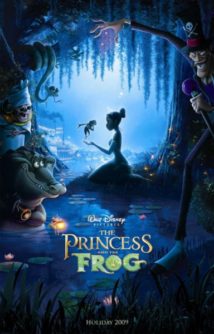
THE PRINCESS AND THE FROG
A lively fairy-tale musical with troubling voodoo elements.
Should You Watch It?
THE PRINCESS AND THE FROG is entertaining, often funny, and built around worthwhile lessons. It praises hard work, sacrifice, love, and marriage while warning that greed and riches cannot make a person happy. Its traditional animation is excellent, too.
The concern is the movie’s deliberate use of New Orleans voodoo. The villain communicates with the dead, conjures demonic shadows, and uses spells, charms, potions, tarot cards, and a talisman. The heroes also seek help from a “good” voodoo practitioner, which makes the spiritual picture confusing. Scary animated action and brief alcohol use add to the discernment questions.
For older children and adults, this is a reasonably entertaining fairy tale with strong moral themes. Use your judgment for younger children, especially those sensitive to frightening imagery. The practical answer: WORTH THE TRIP — OLDER CHILDREN AND ADULTS.
The Story
NO SPOILERS — WE KEEP THE SURPRISESTiana dreams of becoming a chef and opening a restaurant, while Prince Naveen wants to recover the riches that once funded his lavish lifestyle. After Naveen makes a deal with a voodoo witchdoctor, he is transformed into a frog. He kisses Tiana, believing her to be a princess, and she becomes a frog too.
Together, they travel through the Louisiana bayou, seeking help from Mama Odie. Along the way, they befriend a jazz-loving alligator and a lovesick firefly while trying to become human again.
Is It Any Good?
Three stars means a fairly entertaining film with real strengths and noticeable flaws. The traditional animation succeeds, and the movie is often funny. Some of its moral themes give the story lasting value.
Still, many comedy gags and scene sequences seem borrowed from earlier Disney movies. The plot also feels rushed near the end, as if too many details are being forced into place. The result is enjoyable, but not especially fresh or fully polished.
The Worldview
The film presents a mixed worldview. It emphasizes working hard and relying on oneself to achieve dreams, while also showing that there is no easy way to success. Hard work and sacrifice are treated as worthwhile, and the characters learn that love, personal sacrifice, and marriage matter more than riches.
The movie’s spiritual framework is more troubling. Doctor Facilier uses voodoo, communicates with the dead, possibly the devil, conjures demon-like shadows, and tempts people with visions of the future. Mama Odie is presented as a “good” voodoo practitioner who counters him, while the main characters also wish on a star instead of turning to God. The film therefore mixes strong moral messages with confusing occult ideas.
The story correctly warns that greed cannot satisfy the human heart. Its central lesson is close to Jesus’ warning: “For where your treasure is, there your heart will be also” (Matthew 6:21).
The Content Guide
The specifics — spoilers included by nature — so you can judge for your own family.
Content Summary
Light pagan, mixed worldview with light humanist element where characters believe in working hard and relying only on themselves to achieve their dreams, along with strong occult elements where voodoo witchdoctor communicates with the dead (possibly the devil), conjures up scary, demon shadowy figures (who seem to be able to be killed by light, which could have biblical connotations), tries to tempt main characters into making a deal with him by showing them the futures that they desire, and also engages in spells and occult practices such as tarot cards, charms, potions, a talisman, etc., also, one main character makes a deal with the voodoo witchdoctor because he wants to achieve his goals the “easy” way but there are consequences to his actions, and, instead of turning to God for help, the main characters wish on a star and ask for help from Mama Odie (a “good” voodoo practitioner/fairy godmother of sorts, but does not use it for personal gain) who fights off the demons with her light and shows the main characters in a vision in her gumbo-filled bathtub how they can turn themselves back into humans, plus some strong moral, light redemptive elements include the message there is no easy way to achieve your dreams and that hard work and sacrifice are worth it in the end, characters love each other to the point of being willing to make personal sacrifices, one character gives up his life for his friends, character sings song about how “there’s been trials and tribulations, but we’ve climbed mountains,” marriage is extolled in the end, one character is in love with a star whom he calls Evangeline (which means “good news”) and this character is the most loving and optimistic of the them all, and there is an emphasis concerning the dangers of greed and riches and that no amount of money can make a person happy; no foul language; some animated, comic violence includes frog gets squashed by a book two times, human characters accidentally hit each other with sticks in an effort to squash the frogs, frogs get chased by hungry crocodiles, firefly gets stepped on by bad character, voodoo witchdoctor takes blood from main character, gunshots are fired but nobody is injured, firefly gets spewed out of man’s nose and is covered in snot, crocodile character gets himself stuck with a bunch of briars on his lower backside, characters are chased and apprehended by scary, demon-looking shadows; no sex scenes but frogs get tangled up together with their long tongues, firefly character makes some light humorous comments about his lower backside, character kisses her snake, and main characters share kiss at the end of the movie; no nudity but animated women characters wear dresses with revealing cleavage; characters drink wine at a masquerade ball; no smoking or drug use; and, characters initially lie to each other to get what they want but this is resolved, white female character is presented as being a bit of a flighty and spoiled girl, prince character starts out as a selfish playboy cut off from his parents’ fortune for leeching off of them and is always looking for the easy way out so he won’t have to do any real work and his philosophy of life is that we are on this earth to have some fun but this changes in the end, bad character is very greedy for money and tries to tempt other characters so he can get what he wants, voodoo character says that “real power isn’t magic, it’s money,” characters get their futures told to them by voodoo witchdoctor and strike a deal with him but there are bad consequences to their decision, character makes the statement that “what you give is what you get,” and Mama Odie points out that what a person wants is different than what they need and that riches don’t make a person happy because it has no soul or heart, and a firefly turns into a star when he dies.
Talk About It
Questions for the drive home, the dinner table, or the youth group.
Tiana works hard to pursue her dream. How can hard work honor God without becoming more important than love or people?
Colossians 3:23 · Matthew 6:33Naveen looks for the easy way out and learns that his choices have consequences. When have you been tempted by an easy solution, and what helps you choose wisely?
Galatians 6:7–9 · Proverbs 3:5–6The film says that riches cannot make a person happy. What does Scripture say gives a person lasting treasure?
Matthew 6:19–21 · 1 Timothy 6:6–10The story presents both harmful and “good” voodoo. Why should Christians turn to God rather than spiritual practices for help and guidance?
Deuteronomy 18:10–12 · Psalm 46:1The Final Word
This is a lively, funny, beautifully animated fairy tale with valuable lessons about work, sacrifice, love, marriage, and greed. Its voodoo material and frightening shadows call for discernment, especially with younger children. For the intended audience, our answer is WORTH THE TRIP — OLDER CHILDREN AND ADULTS.