
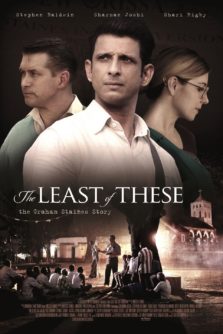
THE LEAST OF THESE: THE GRAHAM STAINES STORY
The Truth Shall Overcome.
Should You Watch It?
This is a four-star film with a powerful Christian heart. Its jeopardy is intense, its plot points are compelling, and its acting is terrific. The music is strong enough that it could become great Christian music apart from the movie.
The story presents the Gospel as a Gospel of love. You see that love in Graham Staines’ treatment of outcasts and lepers, and in the reporter’s growing conviction as he encounters a man who shows love to everyone. The film’s violence is deeply distressing, especially for younger viewers, but the source review considers it a must-see portrait of Christian missionary work.
If your family includes older children and adults who can handle the subject matter, take the trip; use discernment with younger children.
The Story
NO SPOILERS — WE KEEP THE SURPRISESIndian journalist Manav Banerjee moves with his pregnant wife to Orissa, hoping to expose Christian missionaries. His assignment centers on Graham Staines, an Australian medical missionary serving lepers in a remote village with his wife, Gladys.
As Banerjee investigates, he encounters Staines’ compassion for people others fear and reject. He also witnesses growing hostility toward Christians, forcing him to face difficult questions about truth, love, and the story he wants to tell.
Is It Any Good?
Four stars means this is a riveting, exceptionally well-made drama. The structure is strong, the jeopardy is intense, and the plot points are powerful. The acting is terrific, carrying the film’s serious moral conflict.
The music is another strength. The source review says it could become great Christian songs apart from the movie. Most importantly, the film gives its true story emotional force while presenting Christian missionary work as a compelling portrait of love in action.
The Worldview
The film presents the Gospel of Jesus Christ as a Gospel of love. Graham Staines treats outcasts, lepers, and “the least of these” with compassion, while Manav Banerjee is convicted by the difference between that love and his own choices. The movie exalts sacrificial service, truth, forgiveness, and care for people whom society rejects.
The film also portrays a growing radical Hindu movement seeking to drive Christians and other religions out of India. It presents Christians as being viewed by some as another stage of European colonialism, while noting that Indian law subjects Christians who use pressure or violence to convert Hindus to arrest. The source review further states that persecution of Christians continues, with Christian orphanages and hospitals in Southern India shut down after Christians were driven from some areas.
The film’s Christian worldview aligns with Scripture in its emphasis on loving others and serving the vulnerable. It presents love as powerful enough to redeem and transform, while showing how lies, theft, hatred, and incitement to murder destroy people and communities. Jesus identifies care for the vulnerable with care for Him: “as you did it to one of the least of these my brothers, you did it to me” (Matthew 25:40).
The Content Guide
The specifics — spoilers included by nature — so you can judge for your own family.
Dominant Worldview and Other Worldview Content/Elements
Very strong Christian worldview about the killing of Christian missionaries in India by radical Hindus
Foul Language
No foul language
Violence
Physical shunning of lepers, Hindu mob threatens to kill reporter, Hindus burn medical missionary and his two sons alive
Sex
No sex
Nudity
No nudity
Alcohol Use
No alcohol
Smoking and/or Drug Use and Abuse
No smoking or drugs;
Miscellaneous Immorality
Hindu reporter lies, steals and incites murder to pursue his story.
Talk About It
Questions for the drive home, the dinner table, or the youth group.
Graham Staines serves people others fear and reject. Who are “the least of these” in your community, and what would loving them look like?
Matthew 25:40 · James 2:14–17Manav Banerjee pursues a story through lies and theft. Why does truth matter, especially when we believe our goal is important?
John 8:31–32 · Ephesians 4:25The film presents the Gospel as a Gospel of love. How does biblical love differ from simply having kind feelings?
1 Corinthians 13:4–7 · John 13:34–35The story raises questions about forgiveness and transformation. What does Scripture say God can do with a guilty heart?
2 Corinthians 5:17 · 1 John 1:9The Final Word
This riveting drama honors Christian missionary work and shows the power of love to redeem and transform. Its violence calls for discernment, especially with younger children, but older children and adults can find a moving, worthwhile portrait of sacrificial service. WORTH THE TRIP — OLDER CHILDREN AND ADULTS.