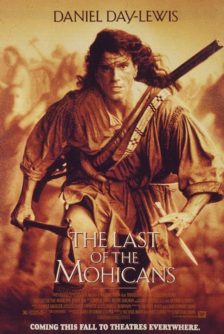
THE LAST OF THE MOHICANS
An astonishing historical adventure with serious content for older viewers.
Should You Watch It?
If you want an action-adventure with drama, conflict, romance, and exceptional visual beauty, this is worth your time. Set during the French and British struggle for supremacy in 1757, the film delivers a cinematic experience strengthened by commendable performances.
The cost is considerable violence, including bloody battles, along with mature sexual content and worldview concerns. The film forsakes the clear Protestant perspective of James Fenimore Cooper’s novel and leans slightly toward politically correct paganism. Yet the source review finds that biblical virtues triumph.
The practical answer: older teenagers and adults may find it worth the trip, while parents should use discernment for younger viewers.
The Story
NO SPOILERS — WE KEEP THE SURPRISESIn 1757, British forces struggle to hold the colonies against the French in upstate New York. Major Duncan Heyward escorts Cora and Alice Munro to their father’s besieged fort, guided by Magua, a Huron Indian.
After an ambush, Hawkeye—Nathaniel Poe, a white man raised by Indians—rescues the travelers with his Mohican friends, Chingachgook and Uncas. As the fort comes under siege, war, divided loyalties, and Hawkeye’s tender romance with Cora draw the characters into danger.
Is It Any Good?
Four stars means this film is a major cinematic success. The source review calls it a visual delight and a visual masterpiece, praising its action, drama, conflict, romance, and commendable performances.
Michael Mann’s direction and the performances from Daniel Day Lewis, Madeleine Stowe, Jodhi May, Russell Means, and Steven Waddington help give the story its force. The film’s considerable violence does not erase its achievement as a piece of cinema.
The Worldview
The film is freely adapted from James Fenimore Cooper’s classic novel, but it departs from the book’s clear Protestant perspective. Instead, it leans slightly toward politically correct paganism and a “back to nature” outlook.
That shift matters because the film presents a world shaped by conflict among British, French, and Indian peoples while revising the historical perspective of the novel. The content review also identifies a subtle anti-Christian statement. Still, the source review emphasizes that biblical virtues triumph over evil in this story.
The film’s central moral hope is that goodness can prevail amid violence, betrayal, and cultural conflict. Scripture calls God’s people to “overcome evil with good” (Romans 12:21).
The Content Guide
The specifics — spoilers included by nature — so you can judge for your own family.
Content Summary
Good triumphs over evil in this classic story marred by: 2 obscenities; extreme bloody violence in battles between Indians, English and French in Colonial America with stabbing, scalping and killing; implied fornication; a subtle anti-Christian statement; revisionist history; and, a slight leaning toward a back to nature paganism.
Talk About It
Questions for the drive home, the dinner table, or the youth group.
The story places people under pressure from war, divided loyalties, and danger. What does it look like to remain faithful when circumstances are unstable?
1 Corinthians 15:58 · Galatians 6:9The film contrasts good and evil in a violent setting. How can Christians resist evil without becoming controlled by it?
Romans 12:21 · Matthew 5:44The movie departs from the novel’s Protestant perspective and leans toward paganism. How should we recognize ideas that conflict with biblical truth?
Acts 17:11 · 1 Thessalonians 5:21The story includes romance amid conflict. What makes love honorable rather than merely driven by desire?
1 Corinthians 13:4–7 · 1 Thessalonians 4:3–5The Final Word
This is a visually stunning, strongly performed adventure in which biblical virtues triumph despite serious violence and worldview concerns. For older teenagers and adults, WORTH THE TRIP — OLDER TEENS AND ADULTS. Parents should decide carefully for younger viewers.