
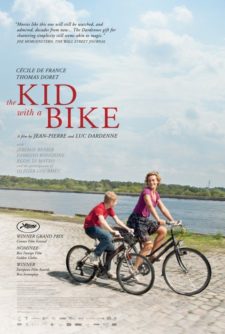
THE KID WITH A BIKE
Love heals a wounded boy; older children need discernment.
Should You Watch It?
This is a simple, quietly powerful drama about an abandoned boy whose life begins to change through steadfast care. Its realistic style often feels documentary-like, while excellent acting makes you care about Cyril and his fate.
The film does not offer easy answers. Cyril acts out, follows a dangerous teenage gang leader, and risks losing the woman who cares for him. Yet the story believes that love can reach a morally adrift child and help him change.
The cost is brief foul language, light violence, and mature themes involving abandonment and criminal behavior. If you are choosing for teenagers or adults, this is a worthwhile, uplifting drama; for younger children, decide with discernment.
The Story
NO SPOILERS — WE KEEP THE SURPRISESCyril is an 11-year-old boy whose father abandons him to an orphanage. Already grieving the loss of his mother, Cyril keeps pursuing his father, hoping to understand why he was rejected.
A kindly hairdresser named Samantha begins caring for him after helping him recover his bicycle. But Cyril is still searching for a father figure and falls under the influence of a teenage gang leader. His choices place Samantha’s care—and their relationship—at risk.
Is It Any Good?
Three stars means a strong, worthwhile film with some limitations. The plot is simple, but the acting is powerful, especially Thomas Doret as Cyril and Cécile de France as Samantha.
The Dardenne brothers shoot the film in a realistic cinéma vérité style, so it often feels like a documentary despite being fictional. Not much happens plotwise, but the directors make the simple rhythms quietly addictive. The result is an ultimately uplifting movie about a boy’s moral transformation through love.
The Worldview
The film presents a strong moral worldview through a slice-of-life story. It portrays the damage caused when a father rejects and abandons his son, while also showing how parental care can give a wounded child a new chance at life.
It exalts steadfast love, responsibility, and moral transformation. Samantha refuses to give up on Cyril even after he acts out and becomes involved in assault and robbery. The film also rebukes youthful rebellion, disrespect, stealing, and violence. Its moral vision is grounded in human affection and care rather than explicitly religious belief, but its central conviction—that love can help restore a damaged life—aligns with biblical concern for the vulnerable and the transforming power of faithful love.
The story’s deepest longing is for a child to be received and cared for rather than rejected. Scripture speaks to that ache: “For my father and my mother have forsaken me, but the LORD will take me in” (Psalm 27:10).
The Content Guide
The specifics — spoilers included by nature — so you can judge for your own family.
Content Summary
Strong moral worldview in a slice of life drama following the tale of an 11-year-old French boy whose father abandons him, and the female hairdresser who takes him in and gives him a new shot at life, with some light Romantic elements because of the boy’s dysfunctional father who endangers the boy’s character and future because of his rejection of the son; four obscenities and profanities, including one “f” word; light violence includes a couple of threatening chases by other young boys and teenagers as they steal main boy’s bike and he fights them, including biting them, to get the bike back, boy flees his orphanage and runs to the city, defying guards and police and ultimately shoving and hitting a woman hairdresser who tries to stop him for police, boy learns how to use a baseball bat to knock out a shop owner and his son, and rob them for an older thug, boy chased by shop owner’s son up a tree, where he falls out and appears to be dead, but manages to survive, hop his bike; no sex; brief upper male nudity as boy towels off after a shower, some light drinking of alcohol by adults; no smoking or drugs; youthful rebellion boy, 11-year-old boy repeatedly yells with disrespect at the woman who takes him into her care, and stealing, robbery and mugging but rebuked.
Talk About It
Questions for the drive home, the dinner table, or the youth group.
Cyril’s father rejects him, but Samantha continues to care for him. What does faithful love look like when someone keeps making harmful choices?
Psalm 27:10 · 1 Corinthians 13:4–7Cyril is looking for a father figure and falls under the influence of a gang leader. How can the people we follow shape our character?
1 Corinthians 15:33 · Proverbs 13:20The film connects love with moral change. What is the difference between excusing wrong behavior and helping someone become new?
Ephesians 4:22–24 · Galatians 6:1Cyril’s father’s rejection causes deep harm. How can a family respond when a child feels abandoned or unwanted?
James 1:27 · Romans 12:15The Final Word
This quietly riveting French drama finds hope in steadfast care. It is well acted, realistic, and ultimately uplifting, though brief profanity, light violence, and mature themes call for family discernment. For teenagers and adults, the answer is WORTH THE TRIP — TEENAGERS AND ADULTS. For younger children, consider our family-friendly picks.