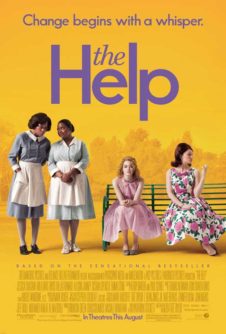
THE HELP
A powerful, well-acted civil-rights drama with a mixed worldview.
Should You Watch It?
If you want a polished, emotionally powerful period drama, THE HELP has real strengths. Its plot is well structured, its cast brings the troubled civil-rights era to vibrant life, and its stories expose racism while stressing respect for women and the call to love your enemy.
The film also carries serious costs for Christian viewers. Its white families are portrayed as hypocritical in their faith, while its white heroine’s Romantic, feminist outlook chafes at tradition and marriage. The film also makes fun of conservatives and implies that homosexuality is genetic. Strong profanity, drunkenness, smoking, implied violence, and a disturbing act of revenge further explain the −2 rating.
So, if you are a discerning adult who can engage those problems thoughtfully, it is worth seeing. For children and young teens, choose something else.
The Story
NO SPOILERS — WE KEEP THE SURPRISESIn 1960s Jackson, Mississippi, black maids begin speaking out about the bad treatment they receive from their white female employers.
“Skeeter” Phelan, a white Southern belle returning from college, realizes she no longer accepts her town’s expectations for women or its treatment of black domestic workers. After the family maid who raised her is let go without explanation, Skeeter begins asking maids to share their stories anonymously, hoping to expose racism in the South.
Is It Any Good?
Four stars means THE HELP is a highly accomplished film. It has a well-structured plot and displays many different aspects of racism through its multiple characters.
The cast fills its roles with zest and brings a troubled era to vibrant life. The movie’s dramatic power comes from its focus on the hardship of racism, the need to respect women, and the command to love your enemy.
Its weaknesses are primarily ideological rather than artistic. The film’s Romantic and feminist elements attack tradition, make fun of conservatives, and present marriage expectations negatively. Even so, the source review finds THE HELP very well done.
The Worldview
THE HELP contains overt Christian elements, including icons of Jesus, church scenes, Bible verses, and worship songs. It also morally exposes and condemns racism. One black maid rebukes a cruel white woman as “godless,” saying she is not behaving as Jesus would.
The film’s Christian presentation is mixed. Many young white women verbally and emotionally degrade their maids while claiming to be Christian, creating a picture of Christians as hypocritical and inauthentic. The black Christian maids are treated more positively, while “Skeeter” has a Romantic attitude that chafes at tradition, including marriage.
The movie also contains feminist elements attacking traditional expectations, political correctness that appears to make fun of conservatives, and an implication that homosexuality is genetic. Together, these elements give the film a liberal worldview with mixed elements.
The film’s call to confront racism and love others reflects Jesus’ command: “Love your enemies and pray for those who persecute you” (Matthew 5:44).
The Content Guide
The specifics — spoilers included by nature — so you can judge for your own family.
Content Summary
Light mixed pagan worldview with overt Christian content such as icons of Jesus and church scenes with Bible verses read and worship songs, moral elements exposing and condemning racism (including black maid stands up to mean white woman and calls her “godless,” saying she’s not acting how Jesus would behave), spoiled, however, by strong Romantic, feminist elements where major white heroine bucks tradition and marriage expectations, plus light politically correct content that seems to be making fun of conservatives and where it’s implied that homosexuality is genetic, and none of the white families have true Christian faith and are seen as hypocritical in their faith; 20 obscenities, five strong profanities, and four light profanities, plus black maid bakes feces into pie to get revenge against cruel white employer; implied violence against the blacks in a small Mississippi town, people discuss unseen shooting death of a black civil rights activist, implied but unseen beatings suffered by one maid at the hands of her abusive husband before she finally finds the ability to leave him for the safety of herself and her children, pushing, miscarriage scene with blood, policeman strikes women; no sex but kissing; no nudity, but women in bathtub though nothing shown, and women on toilet; alcohol use and drunkenness; smoking; and, cruel verbal treatment but rebuked, hypocrisy but rebuked, lying, stealing, racism but rebuked, dysfunctional family portrayal.
Talk About It
Questions for the drive home, the dinner table, or the youth group.
The film exposes racism and the failure to treat people with dignity. What does it mean to do justice and love your neighbor in ordinary relationships?
Micah 6:8 · Mark 12:31Several white women claim to be Christian while mistreating their maids. How should Christian faith change the way we treat people who serve us?
James 2:1–9 · Colossians 3:12The story stresses loving your enemy. What might that look like when someone has treated you unjustly?
Matthew 5:44 · Romans 12:20–21“Skeeter” rejects her town’s expectations about marriage and tradition. How can we challenge harmful traditions without treating every tradition as foolish?
1 Thessalonians 5:21 · Philippians 4:8The Final Word
THE HELP is beautifully made, strongly acted, and morally serious about racism and human dignity. Its Christian elements are mixed with strong profanity, troubling content, and a liberal worldview that attacks tradition and portrays faith hypocritically. For discerning adults, it is WORTH THE TRIP — ADULTS ONLY. Families seeking something safer should choose.