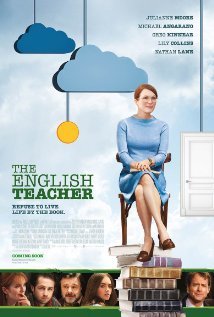
THE ENGLISH TEACHER
A crude, forgettable drama best reserved for discerning adults.
Should You Watch It?
Julianne Moore gives the film a capable center as Linda Sinclair, a high school English teacher devoted to inspiring students to read and write. The story also values sacrifice, love and forgiveness, and it includes some funny moments.
But the movie’s strongest material is surrounded by crude comedy, plenty of strong foul language and a sexual relationship between Linda and her former student, Jason. The result is a mixed experience with a mixed worldview, and the film is ultimately forgettable.
If you are an adult who wants to consider those themes at home and can exercise discernment about the content, you may find some merit here; families with children or young teens should choose something else. The practical answer: wait for home, and reserve it for discerning adults.
The Story
NO SPOILERS — WE KEEP THE SURPRISESLinda Sinclair is a high school English teacher whose passion is helping students read and write. When Jason, a former student who has returned from New York, shares his latest play, Linda believes it should be performed by the school’s theater students.
She must first win over the principal and Carl, the flamboyant drama teacher. Once the production receives approval, Linda, Jason and Carl begin bringing the play to the stage.
Is It Any Good?
Three stars means there are worthwhile elements, but the movie does not leave a lasting impression. The storyline is straightforward, the acting is good, and the film has some funny moments.
Still, the overall comedy is crude, and the movie is pretty forgettable. Its theme of sacrificing for something or someone you love gives the story some substance, but the execution produces mixed results rather than a memorable drama.
The Worldview
The film presents a mixed worldview. It includes moral and redemptive elements involving sacrifice, love and forgiveness, especially through Linda’s commitment to getting the play completed. It also suggests that art can come out of pain, while leaving open the question of whether joy can inspire art as well.
Those ideas are marred by romantic and pagan content. The story’s treatment of sex outside marriage also conflicts with a biblical understanding of sexual faithfulness. The film recognizes sacrifice and forgiveness, but it does not consistently place those virtues within a God-centered moral framework.
Scripture calls believers to pursue love in every part of life: “Let all that you do be done in love” (1 Corinthians 16:14).
The Content Guide
The specifics — spoilers included by nature — so you can judge for your own family.
Content Summary
Strong mixed or pagan worldview with some moral, redemptive elements of sacrifice, love, forgiveness, but marred by Romantic, pagan content, including some talk that art comes out of pain (what about joy?); 39 obscenities (about 16 “f” words) and 11 profanities; woman sprays pepper in man’s eyes twice and mentions of suicide; depicted fornication, kissing, sex outside of marriage, man scratches himself; no nudity; no drinking; no smoking or drug use; and, lying, dysfunctional family.
Talk About It
Questions for the drive home, the dinner table, or the youth group.
Linda believes sacrifice is necessary to bring the play to life. When is sacrifice loving, and when might it become misplaced devotion?
Philippians 2:3–4 · 1 Corinthians 13:4–7The film connects art with pain. How can suffering shape creative work, and where can joy enter that process?
Psalm 30:5 · Philippians 4:4The story includes sex outside marriage. What does Scripture teach about honoring God with our bodies and relationships?
1 Corinthians 6:18–20 · Hebrews 13:4The film includes forgiveness among its moral themes. What does biblical forgiveness look like, and how is it different from ignoring wrongdoing?
Ephesians 4:32 · Colossians 3:12–13The Final Word
This film has decent acting, funny moments and a theme of sacrifice, love and forgiveness. But its crude comedy, strong language and sexual content make it a poor family choice. For discerning adults, WAIT FOR HOME — ADULTS ONLY. Consider these alternatives instead:.