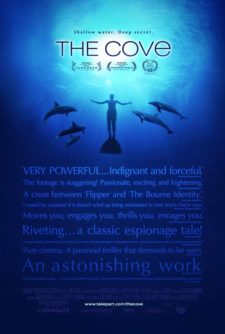
THE COVE
A gripping dolphin-saving documentary for discerning older viewers.
Should You Watch It?
THE COVE is a well-produced, extremely effective documentary. It puts you on the edge of your seat as filmmakers investigate dolphin abuse, dolphin shows, and the slaughter of dolphins in Taiji, Japan. Its strongest material exposes cruelty and raises serious questions about mercury in dolphin meat.
The film is also one-sided in places. It does not prove that dolphins are in danger of extinction or that captivity causes them great suffering, and it mostly does not address opposing viewpoints. The slaughter scene is very bloody, while the language is strong.
For middle schoolers and older viewers who can handle those scenes, this is worth seeing with discernment. For younger children, choose something gentler.
The Story
NO SPOILERS — WE KEEP THE SURPRISESRic O’Barry trained the dolphins for the popular FLIPPER movies and television show. Now he regrets his involvement, believing dolphin shows have led to widespread abuse.
The documentary follows O’Barry and a team of filmmakers to Taiji, Japan. The village supplies dolphins for entertainment shows and slaughters others for meat. When fishermen try to stop filming, the team secretly installs cameras and sound equipment to document what happens.
Is It Any Good?
Three stars means this is a strong, effective documentary with meaningful limitations. THE COVE creates real suspense as the filmmakers work around the village’s efforts to prevent anyone from recording the dolphin slaughter. The documentary’s production and investigative approach keep viewers engaged.
Its argument is less complete than its filmmaking. The movie does not prove that dolphins are truly endangered or that they suffer greatly in captivity, and it mostly avoids its opponents’ viewpoint. Still, its concerns about possible mercury poisoning have apparent validity.
The Worldview
THE COVE expresses very strong opinions about the abuse of dolphins. It presents dolphin shows as lucrative businesses that may involve widespread abuse, condemns the slaughter of dolphins for meat, and rebukes government secrecy and possible corruption.
The film’s central moral concern is the treatment of animals. That concern can align with a biblical regard for living creatures, especially when it challenges cruelty. At the same time, the documentary’s argument is not complete: it does not prove that dolphins are in danger of extinction or that captivity causes them great suffering, and it mostly does not address opposing viewpoints.
The film also raises a public-health concern, claiming that dolphin meat contains poisonous levels of mercury. The review notes that the Federal Drug Administration has warned about mercury in larger, long-living fish and says that concern would seemingly include whale and dolphin meat.
Scripture says, “Whoever is righteous has regard for the life of his beast” (Proverbs 12:10). That compassion gives the film’s concern a moral foundation, even where its case remains incomplete.
The Content Guide
The specifics — spoilers included by nature — so you can judge for your own family.
Content Summary
Light Romantic worldview expressing some very strong, but perhaps morally valid, opinions about the abuse of dolphins; seven obscenities, four strong profanities and angry dolphin fisherman gives obscene gesture to wildlife activists; bloody scene of fisherman slaughtering dolphins and a few scenes of dolphins in distress; no sex; upper male nudity in swimming scenes; no alcohol; no smoking; and, government secrecy and possible corruption rebuked.
Talk About It
Questions for the drive home, the dinner table, or the youth group.
What responsibilities do people have toward animals, and how can we show compassion without losing sight of human dignity?
Proverbs 12:10 · Genesis 1:28The film presents strong claims but does not fully address opposing viewpoints. How should Christians respond when an issue is emotionally powerful but the evidence is incomplete?
Proverbs 18:17 · 1 Thessalonians 5:21Why should governments and communities be truthful about practices that affect public health and vulnerable creatures?
Ephesians 4:25 · Proverbs 12:22What does it look like to speak against cruelty while remaining careful, fair, and self-controlled?
Micah 6:8 · James 1:19–20The Final Word
THE COVE is gripping, well-produced, and morally serious. It exposes disturbing cruelty and raises a valid concern about mercury, even though its case is not complete and its final slaughter scene is bloody. For older viewers, it is WORTH THE TRIP — MIDDLE SCHOOL AND UP. Younger children should choose something else.