
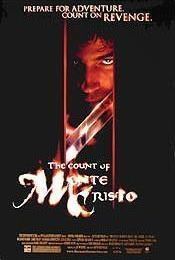
THE COUNT OF MONTE CRISTO
A wronged man's climb from vengeance toward mercy — masterfully told.
Should You Watch It?
This is a rare thing: a big, exciting studio adventure with genuine theology at its core. Edmund Dantes is betrayed, imprisoned, and nearly consumed by revenge — and the film doesn't flinch from asking whether revenge or God's justice is the better master. It stages that question with real craft: sharp direction, strong performances, and a story that earns its emotional payoffs.
It also earns its PG-13. The violence is intense — sword fights, whippings, a body run through more than once — and there are two brief, veiled scenes implying sex outside marriage, plus an underwater scene where nudity is suggested but hard to confirm. This isn't for younger viewers.
For teens and adults ready for a serious story told well, this one rewards the trip — and rewards a conversation afterward, too.
The Story
NO SPOILERS — WE KEEP THE SURPRISESEdmund Dantes is a young, honest sailor engaged to the woman he loves — until his closest friend's jealousy sets a trap that lands Edmund in a brutal island prison for a crime he didn't commit. Years pass. An old priest, also a prisoner, becomes his teacher and his conscience. When escape finally comes, Edmund has a fortune, a new identity, and a plan — and a choice waiting at the end of it that the film doesn't let him avoid.
Is It Any Good?
Four stars means this is Movieguide's highest mark, and the film earns it. Kevin Reynolds directs with a keen sense of character and action — the source calls it some of his best work — and the story never loses momentum across its many turns. James Caviezel is superb, moving convincingly from naïve sailor to composed, calculating Count, and Richard Harris gives one of his best performances as the imprisoned priest who becomes Edmund's mentor. The film is less even elsewhere: Guy Pearce plays his villain too one-dimensionally, and Dagmara Dominczyk's performance shows inexperience. The script also departs freely from Dumas's novel, tightening and simplifying a complex classic — a choice that works dramatically even where it loses some of the book's nuance, including an ending that resolves a bit too quickly and conveniently.
The Worldview
This film is built on a genuinely Christian foundation. God is named as the ultimate ground of justice — Edmund carves "God will give me justice" into his prison wall — and the film stages a real argument for God's existence, including a scene where a skeptic scoffs and is answered. Edmund's years in prison read as a kind of forced schooling in humility before exaltation, echoing Psalm 119:71: "It was good for me to be afflicted, that I might learn your statutes."
But the film's Christian vision gets crowded by its revenge plot. Edmund's arc is meant to move from vengeance to mercy, and by the end he does choose good over payback — but the story spends so much time relishing the revenge that the redemption arrives late and lands lighter than it should. Pushed to its logical end, a story built on personal vengeance sits in tension with a God who claims justice as His own. The film is honest about the moral cost of Edmund's choices, including how jealousy — Mondego's driving sin — proves, as Scripture says, more cruel than open hatred.
Where Scripture answers this film's central ache is simple: "Beloved, never avenge yourselves, but leave it to the wrath of God" (Romans 12:19). Edmund gets there, eventually. The film's real triumph is showing us how hard, and how necessary, that road is.
The Content Guide
The specifics — spoilers included by nature — so you can judge for your own family.
Content Summary
Christian worldview portraying an early 19th century story of humiliation before exaltation & many references to the justice & presence of God marred by a revenge motif & some romantic elements with some relativistic & emotion-based decisions; 7 light obscenities & 1 borderline appeal to God as well as long discussion about the existence of God where one man scoffs at God; significant violence with several bloody sword fights, swords go through men twice, knife & gun fights, & cruel whippings; two short, veiled scenes implying fornication; underwater swimming scene where the man & woman seem to be nude, but hard to tell; alcohol abuse depicted; smoking depicted; and, miscellaneous immorality such as lying, stealing, rude insults, talk of sordid affairs, & parental neglect.
Talk About It
Questions for the drive home, the dinner table, or the youth group.
Edmund spends years telling himself "God will give me justice," but by the time he escapes, revenge has replaced God in his heart. When has a real grievance tempted you to take justice into your own hands?
Romans 12:19 · Psalm 37:7–9The priest Faria warns Edmund to use everything he's learned "for good, for life" — but Edmund builds his whole new identity around vengeance instead. How do you tell the difference between righteous anger and a desire for revenge?
Ephesians 4:26–27 · Proverbs 20:22Mondego's jealousy toward his friend curdles into betrayal and hatred. Scripture calls jealousy "more cruel than hatred" — what does that look like in ordinary friendships and families?
Proverbs 27:4 · James 3:16By the film's end, Edmund chooses mercy over some of the revenge he planned. What does real repentance look like when someone has been deeply wronged, and how is it different from simply "getting even"?
2 Corinthians 7:10 · Colossians 3:13The Final Word
This is a film that takes God, justice, and mercy seriously, wrapped around genuinely exciting, well-made storytelling — with intense violence and a couple of veiled sexual scenes parents should know about going in. Our answer stands: worth the trip — teens and adults. Bring the popcorn, and bring the conversation afterward.















