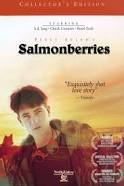
SALMONBERRIES
A lyrical Alaskan friendship drama, beautiful and intended for adults.
Should You Watch It?
SALMONBERRIES is a quiet, unusual drama about two lonely women who form a deep friendship in a remote Alaskan village. Its central relationship crosses differences in outlook, culture, and sexual orientation, and the film finds real healing in love that does not become sexual.
The film is beautifully made, with an austere environment and a strong sense of place. It is also almost devoid of plot, moving lyrically rather than conventionally. The content is limited but adult in nature: three curse words, brief female nudity, and a sexual advance that is explicitly rejected.
If you are an adult willing to engage a slow, atmospheric film about friendship and reconciliation, it is worth seeing; families with children or young teens should choose something else.
The Story
NO SPOILERS — WE KEEP THE SURPRISESIn a remote northwestern Alaskan village, Kotzebue, a wild and uncultured orphan who pretends to be a man and works in the local mine, forms an unlikely friendship with Roswitha, a cultured East German expatriate who works as the village librarian.
The two women carry different histories and outlooks. As Kotzebue develops a crush on Roswitha, their relationship becomes a searching story about loneliness, love, friendship, and the possibility of healing.
Is It Any Good?
Three stars means SALMONBERRIES is well-made and artistically distinctive, though not a conventional or plot-driven drama. Director Percy Adlon lyrically transports viewers into the world of off-beat characters and their austere environment.
The available-light cinematography creates a deep sense of an organically connected place. The movie’s strength is its atmosphere and its central relationship, not its amount of action. With almost no plot, it asks you to settle into its unusual characters and quiet emotional movement.
The Worldview
SALMONBERRIES presents human connection as a source of healing. Two lonely women, separated by culture, outlook, and sexual orientation, develop a deep interpersonal relationship. The film’s strongest moral choice is that it does not take the easy way out through a sexually consummated love between the main characters.
The film also includes subtle and rebuffed lesbianism. Kotzebue’s explicit advances are rejected, and Roswitha says she wants them to remain friends. The movie’s humanism places the healing power of love and friendship at the center without grounding that healing in a distinctly biblical understanding of God, sin, or redemption.
Still, its longing for faithful friendship and reconciliation reflects something Scripture honors: “A friend loves at all times” (Proverbs 17:17).
The Content Guide
The specifics — spoilers included by nature — so you can judge for your own family.
Content Summary
Humanism; 3 curse words; brief female nudity; and, subtle and rebuffed lesbianism.
Talk About It
Questions for the drive home, the dinner table, or the youth group.
What makes friendship healing for lonely people, and how can you offer that kind of friendship to someone in your life?
Proverbs 17:17 · Galatians 6:2Kotzebue and Roswitha come from very different backgrounds. What helps people listen across differences without losing their convictions?
James 1:19 · Romans 12:18How should someone respond when love or affection is not returned? What do wise boundaries protect?
1 Corinthians 13:4–7 · Proverbs 4:23Roswitha carries grief and a desire for reconciliation. What does Scripture say about bringing sorrow and broken relationships to God?
Psalm 34:18 · 2 Corinthians 5:18–20The Final Word
SALMONBERRIES is lyrical, atmospheric, and sincere about the healing power of friendship. Its slow pace and adult content make it unsuitable for children and young teens, but discerning adults may find a thoughtful drama here. Our answer is WORTH THE TRIP — ADULTS ONLY. For family viewing, try.