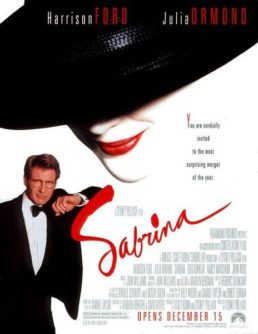
SABRINA
A witty, romantic Cinderella story with a moral heart.
Should You Watch It?
SABRINA offers a refreshing alternative to the more torrid romantic comedies of its era. Its fairy-tale setup is witty and romantic, its characters are colorful and likable, and its dilemmas are resolved within a moral framework.
The film has no sex, nudity, or violence, though promiscuity is implied and the content section notes a kissing scene in bed. The main concerns are exclamatory profanity, materialistic greed, and the way romantic love becomes entangled with manipulation.
If your family can handle some profanity and thoughtful conversation about wealth and love, this is a charming choice for middle schoolers and up. The practical answer: WORTH THE TRIP — MIDDLE SCHOOL AND UP.
The Story
NO SPOILERS — WE KEEP THE SURPRISESSabrina Fairchild is the chauffeur’s daughter on the wealthy Larrabee estate. She has long been infatuated with David Larrabee, a charming playboy, while standing in awe of his serious, workaholic brother, Linus.
After a year in Paris, Sabrina returns transformed. David notices her immediately, but his family has business interests tied to his pending marriage. Linus steps in to protect the family’s plans, and the romantic complications begin.
Is It Any Good?
Three stars means SABRINA is a solid, appealing romantic comedy rather than an unquestionable classic. The witty screenplay gives fresh energy to an old-fashioned fairy tale, using contemporary observations to add charm to the story.
The characters are colorful and likable, and the film’s romantic and whimsical qualities make it delightful overall. Its moral resolution also gives the story more substance than a simple fairy tale.
The Worldview
SABRINA emphasizes family love, self-sacrifice, and repentance, while also drawing on humanist and romantic ideas. Romantic love is the central focus, but the story does not treat desire as the only moral concern. It also examines manipulation and materialistic greed, especially where wealth and business interests shape personal relationships.
The film’s moral framework aligns with Scripture when it values love, self-sacrifice, and repentance. It departs from a biblical view by making romantic fulfillment the main answer to its characters’ longings rather than directing those longings toward God.
The story’s concern with self-giving love can be considered alongside Scripture’s description: “Love is patient and kind; love does not envy or boast; it is not arrogant or rude” (1 Corinthians 13:4).
The Content Guide
The specifics — spoilers included by nature — so you can judge for your own family.
Content Summary
Moral worldview emphasizing family love, self-sacrifice & repentance with humanist & romantic elements as well as romantic love as the focus; 7 exclamatory profanities, 1 vulgarity & 1 off-color joke; 2 scenes of man being punched; implied promiscuity & kissing scene in bed; and, miscellaneous themes of manipulation and materialistic greed
Talk About It
Questions for the drive home, the dinner table, or the youth group.
The story places romantic love alongside family love and self-sacrifice. How should love for another person shape, and be shaped by, love for family?
1 Corinthians 13:4–7 · Philippians 2:3–4Wealth and business interests affect the characters’ relationships. What does Jesus teach about the danger of allowing material possessions to control our hearts?
Matthew 6:19–21 · 1 Timothy 6:9–10The story includes manipulation within romantic relationships. What is the difference between pursuing love honestly and trying to control another person?
Ephesians 4:25 · Philippians 2:3–4The film emphasizes repentance as part of its moral resolution. What does genuine repentance look like, and how is it different from merely feeling sorry?
2 Corinthians 7:10 · Acts 3:19The Final Word
SABRINA is a witty, romantic, and morally refreshing fairy tale with a few content concerns. For families with middle schoolers and older, it offers charm and worthwhile conversation about love, sacrifice, greed, and repentance. WORTH THE TRIP — MIDDLE SCHOOL AND UP.