ROSETTA
A heartbreaking drama of despair, desperation, and survival.
Should You Watch It?
Rosetta is a serious, heartbreaking drama rather than an entertaining escape. It asks you to enter the life of a 17-year-old girl shaped by poverty, an alcoholic mother, isolation, and an overwhelming desire for a socially acceptable job. The film’s challenge is its willingness to make you feel the emptiness and desperation Rosetta knows.
That challenge comes at a cost. The pace is very slow, the situations are emotionally straining, and Rosetta’s survival instincts lead her toward morally troubling choices. The ending leaves her future completely unresolved, without the stronger message of hope the experience seems to require.
Adults who want demanding, realistic drama may find value in considering Rosetta’s life and choices. For family viewing, however, keep this one at home and reserve it for mature adults only.
The Story
NO SPOILERS — WE KEEP THE SURPRISESRosetta is a 17-year-old girl of Italian descent living with her alcoholic mother in a run-down trailer park in Belgium. After losing her job at a laboratory, she desperately tries to remain in the city and find work.
Her meeting with Riquet, a young Belgian man who sells waffles, leads to a job in a kitchen. But the position is unstable, and Rosetta’s determination to build a normal life is tested almost immediately.
Is It Any Good?
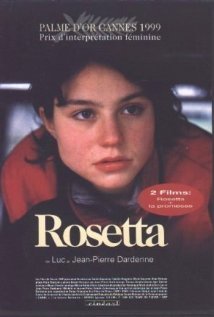
Three stars means Rosetta is a solid, challenging film with real emotional weight, though its flaws make it a difficult recommendation. The movie won the Golden Palm Award at the 1999 Cannes Film Festival, and Emilie Dequenne shared Cannes’ Best Actress Award for her portrayal of Rosetta in her first feature film. She gives a solid performance.
The film’s very slow pace allows the audience to feel the hopelessness and emptiness of Rosetta’s life. It is effective as “a slice of real life,” but the experience can leave viewers emotionally drained. The unresolved ending is disappointing because it offers no stronger positive message of hope.
The Worldview
Rosetta presents a humanistic worldview reflecting a hopelessness that exists without God. Its world is marked by poverty, alcoholism, isolation, and the struggle to survive. Rosetta’s desire for a job represents her hope for a normal life and acceptance by society, but the film leaves that desire suspended rather than answering it with lasting hope.
The movie does raise spiritual and moral questions about Rosetta’s life and choices. It shows what can happen when a person has learned to survive and trust no one, while offering no clear foundation beyond human effort and social acceptance. Its bleakness is not merely a difficult setting; it becomes the film’s final emotional impression.
Scripture acknowledges suffering without pretending it is the end of the story: “The light shines in the darkness, and the darkness has not overcome it” (John 1:5). That hope is what Rosetta leaves absent.
The Content Guide
The specifics — spoilers included by nature — so you can judge for your own family.
Content Summary
Humanistic worldview reflecting a hopelessness that exists without God; 6 obscenities; no violence; implied fornication; no nudity; alcohol use & mother is alcoholic, and, many emotionally draining scenes of struggle.
Talk About It
Questions for the drive home, the dinner table, or the youth group.
Rosetta believes a job will give her a normal life and help her be accepted. Where should we look for identity and worth when work, success, or approval cannot satisfy?
Matthew 6:25–33 · Ephesians 2:10The film presents poverty and hopelessness as forces shaping Rosetta’s choices. How can Christians respond to people facing difficult circumstances?
Micah 6:8 · James 2:14–17Rosetta has learned to survive and trust no one. What does Scripture say about wise trust, community, and bearing one another’s burdens?
Proverbs 3:5–6 · Galatians 6:2The movie leaves Rosetta’s future unresolved. Where does genuine hope come from when a situation appears impossible?
Romans 15:13 · Psalm 42:11The Final Word
Rosetta is a well-acted, Cannes-honored drama that asks serious questions, but its slow despair and unresolved ending make it a difficult experience. For mature adults who want to be challenged, watch it at home, not with children or young teens. Our answer is WAIT FOR HOME — ADULTS ONLY. For a more hopeful family choice, see.