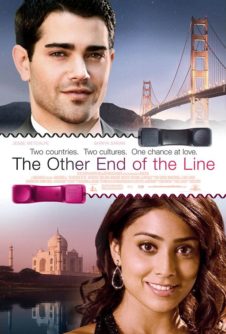
OTHER END OF THE LINE
Charming romantic comedy with discernment for teens and adults.
Should You Watch It?
This is a charming, well-produced romantic comedy with likeable characters and an optimistic heart. Priya’s respect and care for her parents give the story moral warmth, and her father’s eventual support highlights her good character even when he disagrees with her choices.
The film’s central message is more troubling. Priya rejects an arranged engagement because she wants to marry for love, and the story suggests that doing what makes you happy is the answer. That idea can be abused when it becomes a reason to disregard family wisdom or other responsibilities.
The content is mostly mild, but it includes a few obscenities, one profanity, suggestive situations, and a sensuous bachelor-party scene. Teens and adults can enjoy it with discernment; younger children should choose something else.
The Story
NO SPOILERS — WE KEEP THE SURPRISESPriya is a hardworking Indian call-center operator in Mumbai who dreams of escaping an arranged engagement. While helping Granger, an American advertising executive, with a stolen credit card, she develops a mutual infatuation with him over the phone.
Priya travels to San Francisco to meet him but cannot tell him that she is the “credit card girl.” Culture clashes, misunderstandings, family expectations, and Granger’s uncertain career and romantic life stand between them.
Is It Any Good?
Three stars means a charming, well-made film with familiar elements. The story follows the recognizable romantic-comedy pattern of misunderstandings keeping a couple apart, and its setup is reminiscent of Sleepless in Seattle. Still, the movie handles that familiar path in an especially affable way.
Shriya makes Priya very likeable, communicating the youth and optimism of someone discovering her dreams. The direction, writing, and acting are strong, and the music is especially well made, including the Christian contemporary song “Breathe.” The film is not overly original, but its warmth and good performances make it enjoyable.
The Worldview
The film presents a strong romantic humanist outlook. It suggests that personal happiness, especially romantic happiness, should guide major life decisions. Priya believes she should marry for love rather than accept a family-arranged decision, and the story tells her that, as an adult, she does not need to obey her father or future husband’s orders.
That message can be misused. At the same time, Priya remains respectful and caring toward her parents, and her father ultimately supports her decision despite his initial unhappiness. The film therefore affirms good character and family love even while it places individual romantic fulfillment above family authority.
The movie also includes a comical reference to reincarnation. Priya says, “Better luck next life,” in a context mostly played for laughs, but the idea still departs from a biblical view of life and eternity. Scripture calls us to seek wisdom rather than simply follow our desires: “The way of a fool is right in his own eyes, but a wise man listens to advice” (Proverbs 12:15).
The Content Guide
The specifics — spoilers included by nature — so you can judge for your own family.
Content Summary
Strong Romantic humanist outlook with some positive moral qualities but one reference to reincarnation; three mild obscenities, one profanity, and one vulgar name calling; man hits another man in eye; scene of implied sexual relations in TV commercial, web site shot for “adult toy” store with pictures of products; woman appears in skimpy underwear, exotic dancers appear but are mostly covered up, upper male nudity; drinking of alcohol; no smoking or drug use; and, lying.
Talk About It
Questions for the drive home, the dinner table, or the youth group.
Priya wants to choose love rather than accept an arranged engagement. How should personal desires be weighed alongside family wisdom and responsibility?
Proverbs 12:15 · Philippians 2:3–4Priya disagrees with her father but continues to treat him with respect. What does honoring parents look like when you believe they are wrong?
Exodus 20:12 · Ephesians 6:1–3Priya hides her identity from Granger after traveling to meet him. When can fear make honesty difficult, and why does truth matter in relationships?
Ephesians 4:25 · Proverbs 12:22Priya’s father eventually supports her decision. How can families show love when they do not approve of every choice?
Romans 12:10 · Colossians 3:12–14The Final Word
This is a warm, polished romantic comedy with good performances, strong family affection, and mostly mild objectionable content. Its message about doing what makes you happy calls for discernment, especially when romantic desire conflicts with family wisdom. For teenagers and adults, WORTH THE TRIP — AGES 13 AND UP.