MUSCLE SHOALS
A beautiful musical journey with redemptive themes and mature content.
Should You Watch It?
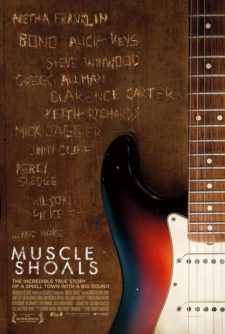
MUSCLE SHOALS is an excellent documentary with a seamless mix of archival footage, interviews, music, and views of Muscle Shoals, Alabama. It tells the story of Rick Hall and the musicians who developed a distinctive sound at Fame Studios, while featuring artists such as Aretha Franklin, Mick Jagger, Keith Richards, Bono, Percy Sledge, and Alicia Keys.
The film also offers a light moral and Christian worldview. Rick perseveres through poverty, rejection, tragedy, and professional betrayal. He learns to forgive and reconcile, while Alicia Keys sings with a gospel choir about pressing on to the higher calling of the Lord.
The mature material keeps this from being an unqualified family recommendation. For teenagers and adults, it is worth seeing; parents should decide carefully for younger children.
The Story
NO SPOILERS — WE KEEP THE SURPRISESMUSCLE SHOALS follows Rick Hall, the founder of Fame Studios in Muscle Shoals, Alabama. Along with his rhythm section, “The Swampers,” Hall helped create a sound that attracted artists from across America and beyond.
Through interviews, archival footage, music, and scenes of the town and countryside, the documentary explores how this distinctive sound emerged and why so many musicians were drawn to it.
Is It Any Good?
Four stars means this is an excellent documentary. Its opening sunrise and sunset along the Tennessee River is beautifully shot, and the film’s seamless combination of archival footage, interviews, music, and Alabama landscapes gives it a strong sense of place.
The documentary also benefits from the range of musicians who discuss the Muscle Shoals sound and from the music itself. The result is a polished, compelling portrait of a studio, its founder, and the artists who helped make its sound famous.
The Worldview
MUSCLE SHOALS presents perseverance, forgiveness, reconciliation, and personal responsibility as meaningful virtues. Rick Hall overcomes poverty, family dysfunction, rejection, tragic deaths, and alcoholism as he pursues his dream of becoming somebody. The film also acknowledges his shortcomings rather than presenting him as flawless.
Its Christian elements are light but positive. Rick forgives those who wronged him and welcomes former musical partners back into the studio. Alicia Keys, backed by a gospel choir, sings about pressing on to the higher calling of the Lord.
The documentary also shows Fame Studios as a place where Black and white musicians could work together and be treated equally, even during the civil rights movement. It notes the racial inequalities artists still faced outside the studio while emphasizing the studio’s shared first-name culture.
The film’s central themes of forgiveness and reconciliation align with Scripture: “bearing with one another and, if one has a complaint against another, forgiving each other; as the Lord has forgiven you, so you also must forgive” (Colossians 3:13).
The Content Guide
The specifics — spoilers included by nature — so you can judge for your own family.
Content Summary
Light moral worldview as Rick Hall overcomes poverty, his dysfunctional family, life tragedies, and alcoholism to produce major artists and hit records, with light Christian elements as Gospel choir sings with Alicia Keys about pressing on to the higher calling of the Lord; eight obscenities; no violence depicted, but accounts told of physical and verbal altercations with Rick and others, wife and father killed in vehicular accidents; no sexual content; upper male nudity in archival footage of men skinny-dipping; alcohol bottles in studio during recording, light drinking depicted; light smoking; and, racism, dysfunctional family issues, abandonment, and betrayal/dissolving of music partnerships, but some of this is resolved.
Talk About It
Questions for the drive home, the dinner table, or the youth group.
Rick Hall perseveres through poverty, rejection, and tragedy. What helps you keep going when your own plans fail?
Galatians 6:9 · James 1:2–4Rick learns to forgive and reconcile with people who wronged him. What is the difference between forgiveness and pretending that harm did not happen?
Colossians 3:13 · Ephesians 4:31–32The studio brings Black and white musicians together during a divided time in America. What does Scripture say about treating people from every background equally?
James 2:1–9 · Galatians 3:28Alicia Keys sings about pressing on to the higher calling of the Lord. What higher calling has God given to Christians?
Philippians 3:13–14 · Matthew 22:37–39The Final Word
MUSCLE SHOALS is beautifully made, musically rich, and morally encouraging, though its language and mature themes call for parental discernment with younger children. For teenagers and adults, it is WORTH THE TRIP — MIDDLE SCHOOL AND UP.