
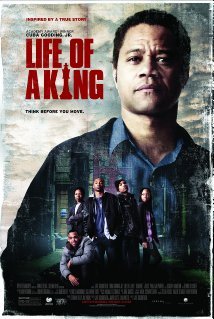
LIFE OF A KING
An inspiring chess drama about redemption, restoration, and second chances.
Should You Watch It?
If you want an inspiring drama about a broken man helping troubled young people find a better future, this is worth your time. Life of a King presents Eugene Brown’s transformation from convicted felon to mentor with emotional force, strong performances, and an uplifting redemptive message.
The film does not ignore the difficulties of inner-city life. Its drug culture destroys lives and dashes hope, and the story includes brief foul language, drug references, and light violence. But the negative content is mostly rebuked, while Eugene’s work points toward restoration, responsibility, and service.
Watch it with older teenagers and adults who can process the realistic material. For younger children, choose something else.
The Story
NO SPOILERS — WE KEEP THE SURPRISESAfter serving time in state prison for running a criminal organization, Eugene Brown becomes a high school janitor in Washington, D.C. He establishes the Big Chair Chess Club for inner-city adolescents, using chess to teach life lessons and help students resist a life of crime.
Eugene also faces the difficult work of maintaining employment and rebuilding his relationship with his children. As the students pursue hope through the game, Eugene must prove that his own new life is real.
Is It Any Good?
Four stars means this is an excellent, emotionally engaging drama. The inspirational narrative accurately represents the difficulties of living in the inner city and creates a powerful emotional catharsis. Several moments allow viewers to connect deeply with the characters and their arduous circumstances.
The cinematography is outstanding, with high production and artistic values. Its quality adds significantly to the mood of each scene. The acting is marvelous, especially Cuba Gooding Jr.’s performance as Eugene, and the cast conveys the characters’ emotions, pain, and personalities with conviction.
The Worldview
The film promotes a strongly Christian and moral worldview centered on redemption and restoration. Eugene Brown is changed after serving time for running a criminal organization, and that changed perspective leads him to serve troubled, disenfranchised youth through chess.
The game becomes a means of teaching significant life lessons and preventing students from choosing a life of crime. As they learn, they develop hope for a better life and future. The film also shows the responsibility Christians have to serve marginalized people, presenting service to the least of society as a practical expression of the gospel.
Its central message aligns closely with biblical redemption: people whose lives are broken can be restored, and those who have received mercy should extend help to others. Jesus says, “For I was hungry and you gave me food, I was thirsty and you gave me drink, I was a stranger and you welcomed me” (Matthew 25:35).
The Content Guide
The specifics — spoilers included by nature — so you can judge for your own family.
Content Summary
Strong Christian worldview with very strong moral elements, with the biblical concepts of redemption and restoration being brought by the protagonist Eugene Brown to severely broken inner city high school students; about 10 obscenities, including in a song, mostly “h” or “d” words, plus one GD profanity; the level of violence is light, with a scene that contains a character getting shot after a drug deal gone bad; no sexual content; no nudity; alcohol use; smoking, marijuana use, other drug abuse, and selling illegal drugs; and, strong miscellaneous immorality, mostly rebuked, includes drug lord seeks revenge for another character putting a halt on illegal transactions of drugs among students, and drug lord motivated by greed to force more the sale of drugs.
Talk About It
Questions for the drive home, the dinner table, or the youth group.
Eugene’s past does not prevent him from helping others. What does genuine change look like, and how can someone make wise amends?
2 Corinthians 5:17 · Luke 19:8Eugene uses chess to teach young people to think about consequences. How can wisdom help us resist destructive choices?
Proverbs 22:3 · James 1:5The film connects redemption with serving marginalized people. Who around you may need practical help, encouragement, or welcome?
Matthew 25:35–40 · James 2:14–17Drug culture destroys lives and dashes hope in the story. How should Christians respond to people trapped in destructive patterns?
Galatians 6:1–2 · Romans 12:21The Final Word
Life of a King is a beautifully made, deeply inspirational drama about redemption through service. Its brief language, drug-related content, and light violence call for discernment, especially with younger viewers. For older teenagers and adults, this is WORTH THE TRIP — OLDER TEENS AND ADULTS.