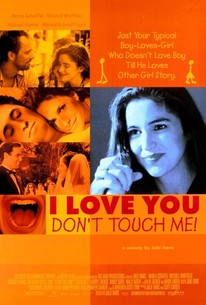
I LOVE YOU, DON’T TOUCH ME
Sexual purity is mocked in this explicit, disheartening romantic comedy.
Should You Watch It?
The answer is no. This romantic comedy has some genuine craft strengths: Movieguide’s source review notes its smart repartee and fresh narrative voice, qualities that made it a hit at the 1997 Sundance Film Festival.
But those strengths cannot overcome the film’s content or its central idea. It uses excessive foul language, explicit sexual dialogue, graphic sex, and explicit female nudity. More seriously, it treats a 25-year-old woman’s virginity as a problem to solve and presents sexual promiscuity as the path toward finding the perfect mate.
That premise will disturb and dishearten most Christian viewers. Skip it, and choose something that treats sexuality and human dignity with greater truth.
The Story
NO SPOILERS — WE KEEP THE SURPRISESKatie is a 25-year-old aspiring singer and virgin who has stopped opening her heart to men after finding a former boyfriend with another woman. Her friends and neighbors urge her to abandon restraint and become sexually active.
When Katie begins pursuing a relationship with Richard, a suave, sophisticated composer, she faces a choice between the sexual purity she has guarded and the worldly advice pressing her to give it up.
Is It Any Good?
Two stars means the film has limited entertainment value despite identifiable strengths. The source review credits it with smart repartee and a fresh narrative voice, qualities that helped make it a hit at the 1997 Sundance Film Festival.
Those strengths are overwhelmed by the movie’s lots of obscenities, explicit sexual dialogue, and offensive sexual material. Instead of amusing most viewers, the film will offend them.
The Worldview
The film presents sexual purity as an obstacle rather than a virtue. Katie’s virginity at age 25 is treated as evidence that something is wrong with her, while her friends encourage her to become openly promiscuous. The story ultimately points her toward having sex with many men in the search for a perfect mate.
That view distorts sexuality by separating it from faithfulness and treating people as options to sample. Richard’s claim that “Fidelity is not in man’s nature” reinforces the film’s bleak account of love and human nature. The movie’s romantic worldview is sexually promiscuous and anti-intellectual, and its sexual content supports rather than challenges that outlook.
The film departs from a biblical view of sexuality, which presents sexual purity as part of honoring God rather than as a defect to shed. Scripture says, “For this is the will of God, your sanctification: that you abstain from sexual immorality” (1 Thessalonians 4:3).
The Content Guide
The specifics — spoilers included by nature — so you can judge for your own family.
Content Summary
Romantic worldview including sexually promiscuous & anti-intellectual attitudes; 51 obscenities & 27 profanities; 2 scenes of graphic sex, & depicted & implied fornication; upper male nudity & upper & lower female nudity; and, alcohol.
Talk About It
Questions for the drive home, the dinner table, or the youth group.
The film treats Katie’s virginity as a problem. What does Scripture say about honoring God with your body and your choices?
1 Corinthians 6:19–20 · 1 Thessalonians 4:3–5Katie receives repeated pressure to follow worldly advice about sex. Where do you experience pressure to compromise your convictions, and how can you respond faithfully?
Romans 12:2 · Psalm 119:9Richard says, “Fidelity is not in man’s nature.” What does the Bible teach about human brokenness, and what hope does it offer for faithful love?
Jeremiah 17:9 · Ezekiel 36:26The Final Word
This film’s smart repartee and fresh narrative voice cannot redeem its excessive sexual content or its message that purity must be discarded to find love. For your family or your own conscience, SKIP IT. See our alternatives instead: