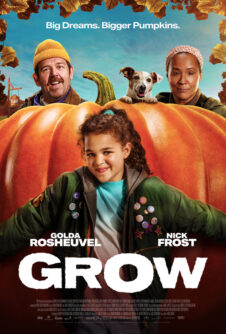
GROW
A whimsical pumpkin-growing comedy with real heart — mind the spoofed scares for little ones.
Should You Watch It?
Here's the short version: this is a charming, well-made family comedy with a genuinely strong moral center, wrapped around a couple of scenes parents of young children should know about ahead of time.
GROW earns its fun. The sets and costumes lean into whimsy, the cast draws you into the story, and underneath the pumpkin-growing plot is a story about family bonds, hard work, keeping your word, and repentance — themes worth cheering for. It even carries a quiet pro-adoption message.
The catch is a handful of moments that spoof horror and gangster movies — think PSYCHO and THE GODFATHER, played for laughs but staged with enough menace that a younger child could be genuinely scared. Add light magical thinking, a Halloween scene with witches, and one lewd double entendre, and you have a movie that's fine for most families but worth previewing if your kids are little or easily spooked.
Bottom line: worth the trip, with a caution for younger children.
The Story
NO SPOILERS — WE KEEP THE SURPRISESCharlie Little has been abandoned by her mother, who left for Hollywood chasing stardom. Sent to live with her long-lost Aunt Dinah — a gruff farmer running the family homestead in the self-proclaimed "Pumpkin Capital of the World" — Charlie discovers she has a strange gift: she can feel what plants feel, and talk to them.
When the town's annual pumpkin-growing contest comes around, Charlie decides to grow one of her own. As her bond with Dinah deepens, so does her pumpkin — but not everyone in town wants her to win.
Is It Any Good?
Three stars means this is a solid, well-crafted family film that does what it sets out to do without quite becoming a classic. The sets and costumes give the story its whimsical texture, and the performances are strong enough to pull viewers into what could have been a thin premise — a girl, a farm, and a very large pumpkin.
The film's comic instincts show most clearly in its movie spoofs, which are clever but risk misjudging their audience; what plays as a wink to adults may land as a real scare for a six-year-old. Aside from that tonal wobble, GROW is confident, good-natured filmmaking that knows exactly what kind of movie it wants to be.
The Worldview
GROW's heart is in the right place. It exalts family bonds formed by choice rather than blood, hard work and perseverance rewarded, and the importance of keeping your word and taking responsibility for the people you love. A saboteur who rigs the contest through bribery, blackmail, and sabotage eventually sees the error of his ways and repents — a real turn, not just a plot convenience. Charlie's own story carries a quiet pro-adoption message, and even her absent mother returns to apologize rather than staying unaccountable.
The film does dilute this with some pagan texture: Charlie's gift is a form of magical thinking — she communicates with plants and feels what they feel — and a Halloween sequence adds light occult trappings, children in witch costumes, and skeleton decorations. There's also a mild environmentalist thread running through the town's conversations about saving the planet and organic farming. None of this overwhelms the story's moral center, but it's there, and discerning families should know it going in.
At its core, GROW tells the story of an abandoned child finding a home and a family she didn't expect. Scripture speaks directly to that ache: "God settles the solitary in a home" (Psalm 68:6).
The Content Guide
The specifics — spoilers included by nature — so you can judge for your own family.
Dominant Worldview and Other Worldview Content/Elements
Strong moral worldview, with some references to repentance, focuses on family bonds, hard work and perseverance, with a pro-adoption message, and stresses the importance of keeping your word and taking responsibility for those you love, light pagan content with magical thinking where a little girl can feel what plants feel and communicate with them, a Halloween scene includes light occult elements with children in witch costumes and skeleton decorations, plus there are light environmentalist elements with several conversations about saving the planet and organic companion farming
Foul Language
One light profanity (OG) and two “h” words during outtakes in the end credits, plus some light crude language, mostly silly, with words like Scallywag, stupid, brat, and imbecile, a man talks about urinating on a pumpkin seed, but nothing is shown, and a few instances of “shut up”
Violence
Slapstick violence throughout included people being chased by others with shovels, a bee attack, people smack or push each other around, woman pulls a gun on people in two instances to protect her land, and there are a series of scenes depicting someone stabbing pumpkins where pumpkin juice is presented like blood
Sex
No sex, but a woman spanks her husband’s bottom playfully with a horse whip, another woman says “orgasm” instead of organic but is quickly corrected; two men jokingly say “I love you” on the phone and hug in celebration, but not in a sexual way.
Nudity
No nudity, but a character wears tight clothing and shirt that exposes her midriff
Alcohol Use
A character pops a bottle of champagne and pours two glasses, but no one is shown drinking, the same character holds two liquor bottles in some outtakes during the credits
Smoking and/or Drug Use and Abuse
No smoking or drugs;
Miscellaneous Immorality
Instance of stealing but rebuked, child sneaks and tries to run away, light bullying followed by a quick fight between a boy and a girl, man conspires to rig the pumpkin contest with the use of bribery and blackmail and sabotage but sees the error of his ways and repents, a couple cheats to make their pumpkin heavier, neighbors trespass and spy on each other and try to sabotage pumpkins, and a mother abandons her daughter to pursue a movie career but apologizes.
Talk About It
Questions for the drive home, the dinner table, or the youth group.
Charlie's mother abandons her to chase a dream, but Charlie finds a real family in Aunt Dinah instead. How does Scripture describe God's care for those who feel abandoned or without a home?
Psalm 68:5–6 · James 1:27The saboteur who rigs the contest eventually repents. What's the difference between being sorry you got caught and real repentance?
Luke 15:17–24 · Acts 3:19Charlie and Dinah pour real effort into growing their pumpkin, setbacks and all. What does the Bible say about the reward of patient, honest work?
Galatians 6:9 · Proverbs 14:23The film includes some magical thinking and light occult imagery played for fun. How can your family talk through the difference between harmless fantasy and things worth being cautious about?
Deuteronomy 18:10–12 · Philippians 4:8The Final Word
GROW is the rare family comedy that's both fun and formative — a story about a lonely girl, a stubborn aunt, and the family they build together, wrapped in enough whimsy and moral clarity to make it worth your time. Just know that a couple of spoofed scenes might spook your littlest viewers before you press play. Our answer, the same one we opened with: worth the trip — caution for younger children.