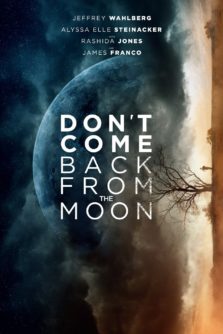
DON’T COME BACK FROM THE MOON
A slow, adult drama about fathers, flight, and finding contentment.
Should You Watch It?
This is a small drama with a serious question at its center: what happens when a father leaves, and a son must become responsible before he is ready? The film values fathers, family, and contentment in one’s circumstances. Its positive ending and message about the importance of fathers give it real moral weight.
But the movie asks a lot of patience from you. The plot moves slowly, some performances are lackluster, and there are few scenes with music or anything else to propel the story forward. The R rating also reflects a fair amount of foul language, underage drinking, implied sexual behavior, smoking, and an unwed pregnancy.
Watch at home only if you are an adult willing to weigh those concerns against the film’s family-centered message.
The Story
NO SPOILERS — WE KEEP THE SURPRISESIn a deserted California town, fathers leave their families for “the moon,” a fictitious place where life is supposedly simple and perfect. After his own father disappears, teenager Mickey must help hold his family together while trying to remain a teenager himself.
As Mickey and other abandoned young people struggle with the town’s collapse, he faces romance, responsibility, and the pressure to become the man of his house. The film follows his search for happiness and a better life.
Is It Any Good?
Two stars means this film has a worthwhile idea but delivers it unevenly. The desert setting effectively conveys the town’s desolation through dust and sand kicked up by cars and people. The metaphorical closing line is gripping, and the ending offers a measure of hope.
The weaknesses are substantial. The plot moves too slowly, and the acting—particularly from Rashida Jones and James Franco as Mickey’s parents—is lackluster. The film also contains few scenes with music or other elements that propel the story forward. Viewers who simply want an entertaining movie likely will not find it here.
The Worldview
The film presents a strong humanist worldview centered on living for oneself and pursuing money and wealth as a means to happiness. “The moon” symbolizes the better life people want but cannot quite reach. The story suggests that the temporary pleasures promised by the other side of the fence cannot solve life’s deeper problems.
The movie includes people who go through spiritual rituals such as prayer but do not live in a Christlike manner. Yet it also presents family as a joy and blessing. The film’s most positive insight is that contentment is found not in escaping one’s circumstances, but in loving and taking responsibility for family. Mickey’s decision to become a better father points toward a richer life than wealth or a better paycheck can provide.
From a Christian perspective, the film depicts the futility of a life without Christ, even though it does not fully articulate that answer. Its longing for lasting happiness reflects Jesus’ warning: “For where your treasure is, there your heart will be also” (Matthew 6:21).
The Content Guide
The specifics — spoilers included by nature — so you can judge for your own family.
Dominant Worldview and Other Worldview Content/Elements
Strong humanist worldview of living for self and pursuing money and wealth as a means to happiness, people go through spiritual rituals such as prayer but don’t live it in a Christlike manner, but family is seen as a joy and a blessing in one scene; Language: 28 obscenities and one description of someone wetting their pants
Violence
Low level of violence includes two brief scenes of a person punching a person in the face; Sexual content: Implied sexual behavior in two scenes of people kissing and implied sexual relations
Nudity
Brief upper male nudity
Alcohol Use
Several scenes of teenagers drinking
Smoking and/or Drug Use and Abuse
Several scenes of people smoking, but no drug content;
Miscellaneous Immorality
Lying, bitterness and resentment, destroying personal property, dysfunctional family relationships.
Talk About It
Questions for the drive home, the dinner table, or the youth group.
Mickey is forced to grow up when his father leaves. What responsibilities should adults carry so children are not left to bear them?
Ephesians 6:4 · 1 Timothy 5:8The film contrasts the promise of “the moon” with contentment in ordinary circumstances. What does Scripture say about the difference between wanting more and being content?
Philippians 4:11–13 · 1 Timothy 6:6–8Family is shown as a joy and a blessing. How can your family practice that blessing when circumstances are difficult?
Psalm 127:3–5 · Romans 12:10The story includes prayer without consistently Christlike living. Why must faith be expressed in actions as well as words?
James 1:22 · Matthew 7:16–20The Final Word
This slow drama has a meaningful message about fathers, family, and contentment, but its weak performances, R-rated content, and humanist framework make it a poor family-night choice. If you are an adult and remain interested, watch it at home with discernment. WAIT FOR HOME — ADULTS ONLY. For cleaner options, see.