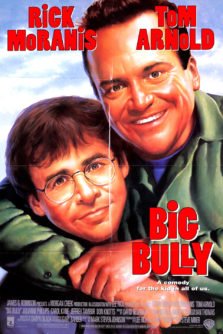
BIG BULLY
An unfunny, violent comedy that is best left unwatched.
Should You Watch It?
BIG BULLY has a workable premise: an adult bully meets the boy he tormented years earlier, and both men have another chance to deal with the hurt between them. The movie also gestures toward putting aside childish ways and restoring damaged relationships.
But the film does not make those ideas worthwhile. The review finds it boring, not very funny, too violent to succeed as a comedy, and too trite to deliver a good moral lesson. Its bullying antics border on psychotic violence, while extraneous obscenities—including some spoken by youngsters—make it unsuitable for children.
Because the movie is weak entertainment and carries serious family concerns, skip it and choose something better for movie night.
The Story
NO SPOILERS — WE KEEP THE SURPRISESRoss was a bully in fourth grade, when he repeatedly beat up a classmate named David. Years later, David returns to their small Minnesota town as a divorced writer and teacher with a son.
When the two men meet again, old feelings return. Ross begins harassing David, and their children become involved in the conflict. The grown men and their boys must face what happened between them.
Is It Any Good?
Two stars means this movie has a potentially useful premise and good talent, but little succeeds in execution. The review calls it boring and not very funny, with a bland quality that falls short of the force suggested by its title.
The film tries to turn bullying, violence, and reconciliation into comedy. Instead, its antics become borderline psychotic, its violence overwhelms the humor, and its moral lesson feels trite. The premise and talent are better than the finished movie.
The Worldview
The movie presents bullying as a destructive pattern that can continue from childhood into adulthood. It also points toward putting aside childish ways, settling differences, and restoring relationships. Those ideas can align with the biblical call to forgive and pursue peace.
The review does not provide a fuller worldview analysis, so the film's treatment of these ideas remains limited. Its moral lesson is described as too trite to be effective, while the violent antics and obscenities undermine the reconciliation it appears to want to promote.
The central longing is for damaged relationships to be healed rather than endlessly repeated through new conflicts. Scripture says, “Be kind to one another, tenderhearted, forgiving one another, as God in Christ forgave you” (Ephesians 4:32).
Talk About It
Questions for the drive home, the dinner table, or the youth group.
What does it mean to put aside childish ways when old anger returns?
1 Corinthians 13:11 · Ephesians 4:31–32How can bullying damage people long after the original incident is over?
Proverbs 12:18 · Matthew 7:12What does it look like to settle differences without repeating the same harm?
Romans 12:18 · Matthew 5:9Why should adults be especially careful about the behavior and language they model for children?
Ephesians 4:29 · Titus 2:7–8The Final Word
BIG BULLY has a potentially meaningful premise about bullying and restored relationships, but the review finds it bland, trite, violent, and burdened with obscenities. It is not suitable for children or young teens. Our answer is clear: SKIP IT. For better choices, see.