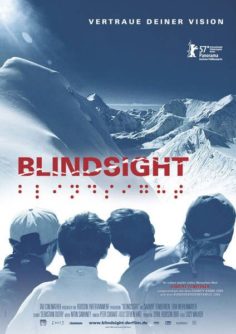
BLINDSIGHT
An inspiring climb toward courage, compassion, and human dignity.
Should You Watch It?
BLINDSIGHT is an exciting, entertaining documentary with deep compassion and wonderful insight into character and the human condition. Its photography and editing create real suspense as blind children in Tibet face the challenge of climbing toward a peak near Everest.
The film also presents difficult realities, including the way blind people are treated in the Buddhist culture around them. It contains references to Buddhist prayers, monks, and reincarnation, along with light obscenity, possible drinking, and dangerous moments that may frighten younger viewers.
If your family includes older children who can process those concerns, this is an inspiring choice. The practical answer: WORTH THE TRIP — MIDDLE SCHOOL AND UP.
The Story
NO SPOILERS — WE KEEP THE SURPRISESErik Weihenmayer, the only blind man to have climbed Mount Everest, is invited to help blind students in Tibet learn mountain climbing. Sabriye Tenberken, a blind German woman who founded a school for blind children there, hopes the experience will help them discover their abilities.
Erik arrives with a group of blind guides. The children, however, have never climbed anything, so the team must begin at the very beginning. Their journey toward a mountain peak becomes a test of courage, teamwork, and perseverance.
Is It Any Good?
Four stars means this documentary is highly effective as both entertainment and human story. BLINDSIGHT is captivating, with photography and editing that keep you on the edge of your seat. The mountain-climbing jeopardy and danger give the film strong momentum.
Its greatest strength is compassion. The documentary offers wonderful insight into its characters and the human condition while showing children facing obstacles that could easily overwhelm them. It is an inspiring, beautifully made experience.
The Worldview
BLINDSIGHT strongly exalts compassion, loyalty, teamwork, honesty, decency, equal opportunity, and the belief that people should be allowed to fulfill their potential. It also includes a clear rebuke of Buddhist elitism toward blind people. At the same time, the film seeks the blessing of Buddhist monks and contains positive references to Buddhist prayers, faith, and reincarnation.
The documentary does not present overt Christianity, apart from a Time magazine cover discussing Erik’s “blind faith” and some positive comments from his father. Still, the compassion shown by Erik and Sabriye reflects the Christian belief in loving your neighbor and recognizing the equal worth of every person. The film’s worldview is strongest when it affirms human dignity and weakest when it treats Buddhist religious ideas positively.
The compassion shown to these children points toward the biblical truth that every person bears God-given dignity: “So God created man in his own image” (Genesis 1:27).
The Content Guide
The specifics — spoilers included by nature — so you can judge for your own family.
Content Summary
Strong moral worldview extols compassion, loyalty, teamwork, honesty, decency, and equal opportunity with a harsh rebuke of Buddhist elitism at the very beginning but lots of references to Buddhist prayers, seeking favor from monks, and reincarnation throughout the movie because it is set in Tibet; five light obscenities and one light profanity; lots of mountain climbing, adventure, threats of violence, and minor action violence regarding mountain climbing but nobody’s hurt; no sex; no nudity; possible drinking; no smoking; and, young man lies but later repents.
Talk About It
Questions for the drive home, the dinner table, or the youth group.
The children are challenged to discover what they can do. How can we encourage someone who has been told they are less capable or less valuable?
Genesis 1:27 · Philippians 2:3–4Erik and Sabriye show compassion through practical help. What does loving your neighbor look like when someone faces obstacles?
Mark 12:31 · James 2:15–17The team must depend on one another during a dangerous climb. When has teamwork helped you persevere, and how can Christians carry one another’s burdens?
Ecclesiastes 4:9–10 · Galatians 6:2The Final Word
BLINDSIGHT is a gripping, beautifully crafted documentary about compassion, courage, and human potential. Its religious references, language, possible drinking, and frightening danger call for discernment with younger children. For older children and adults, the answer is WORTH THE TRIP — MIDDLE SCHOOL AND UP.