JAZZ FEST: A NEW ORLEANS STORY
An engaging musical celebration with Christian roots, for discerning adults.
Should You Watch It?
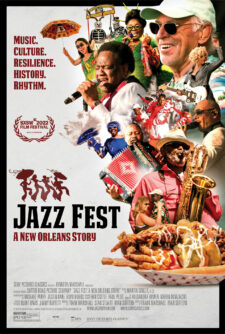
JAZZ FEST: A NEW ORLEANS STORY is an engaging, well-paced documentary about New Orleans’ Jazz Music and Heritage Festival. It moves easily between performances, vintage footage, and discussions of the festival’s history, culture, music, and spiritual roots. Its central moral point is that the festival celebrates life, not only New Orleans and its people.
The film offers many positive references to Christianity, God, Jesus, grace, church, prayer, gospel music, redemption, forgiveness, and joy. Its Christian section, including gospel performances, is one of its strongest features. The colorful cinematography and varied camerawork also give the documentary energy.
But the film is not clean family viewing. Pagan attitudes about partying, brief profanity, Pitbull’s innuendo and suggestive dancers, partial rear nudity, and a short interview promoting LGBT acceptance keep it at the −2 level.
Adults who can thoughtfully navigate those concerns may find the music and moral themes worthwhile. For your family, the practical answer is simple: adults may take the trip, but children and young teens should stay home.
The Story
NO SPOILERS — WE KEEP THE SURPRISESThis documentary celebrates 50 years of the Jazz Music and Heritage Festival in New Orleans. Artists, founders, and other people connected to the festival discuss its history and cultural influence, while performances explore jazz, R&B, soul, Cajun music, gospel, and rock and roll.
The film also considers the music’s African and Christian roots, along with the festival’s connection to New Orleans history, food, religion, and community.
Is It Any Good?
Three stars means this is an engaging, well-made documentary with some limitations. It is well-paced, moving comfortably from musical performances to historical, cultural, and spiritual discussions. Vintage footage and current interviews give the film a cozy, family feeling.
The cinematography and camerawork are among its best features. The documentary is colorful, bright, and distinctive, reflecting the culture it presents. Jazz may not appeal to every viewer, but the variety of music broadens its appeal beyond jazz alone.
The Worldview
The film presents the Jazz Music and Heritage Festival as a celebration of life. It strongly affirms Christianity, Jesus, grace, church, prayer, and gospel music, while connecting jazz and R&B to worship and the church. Its discussions of forgiveness, redemption, and joy give the documentary a positive moral center.
The film also includes pagan attitudes favoring partying and letting go. Its acceptance of all lifestyles, including a brief interview with a male musical artist dressed as a woman who promotes homosexuality and transgender politics, departs from a biblical understanding of identity and sexuality. The documentary celebrates the festival’s spiritual roots, but it does not consistently distinguish Christian worship from the broader festival atmosphere.
Still, the film’s emphasis on life, joy, music, and redemption reflects truths Scripture values. “I came that they may have life and have it abundantly” (John 10:10).
The Content Guide
The specifics — spoilers included by nature — so you can judge for your own family.
Dominant Worldview and Other Worldview Content/Elements
Light moral worldview in presenting the annual Jazz Music and Heritage Festival in New Orleans as a celebration of life, with strong overt, positive references to Christianity, Jesus, Grace, and church multiple times during the documentary, including a section about the Christian roots of jazz and R&B music where two or so gospel music songs are sung, including a rendition of “Oh Happy Day” about Jesus washing your sins away, plus the beginning shows Louis Armstrong playing “When the Saints Go Marching In,” and lyrics by Bruce Springsteen about praying to the Lord and rising up in his song “My City of Ruin” leads into a rendition toward the end of “Amazing Grace” by Aaron Neville and another man playing “When the Saints Go Marching In” on his horn, marred by some pagan attitudes favoring having a party and letting go and marred by a male musical artist wearing women’s clothes who briefly promotes homosexuality and transgender politics and who talks in a politically correct way about the festival embracing all kinds of lifestyles, no matter who “you love”
Foul Language
Two “f” words, one kick-a** obscenity, one GD profanity, one OMG profanity
Violence
Low level of violence including descriptions and brief newsreel footage of Hurricane Katrina and its devastation of New Orleans, and mentions of slavery and a mention of the Underground Railroad
Sex
There are several innuendoes in a song by Pitbull, which includes some suggestive female dancers in skimpy bottoms, and there’s an interview with a man identifying as a woman,
Nudity
Partial rear female nudity among several female dances, and some occasional images of shirtless men
Alcohol Use
Occasional images of people drinking beer during a music, food and culture festival
Smoking and/or Drug Use and Abuse
A woman is shown smoking in one image and there’s a reference to getting high at one point
Miscellaneous Immorality
Light miscellaneous immorality includes some promotion of rebellion, there are a few poor role models among the people featured in the documentary, and an artist sings, “You can’t always get what you want, but sometimes you just might find you get what you need.”
Talk About It
Questions for the drive home, the dinner table, or the youth group.
The documentary describes music as connected to worship, celebration, and the church. How can music direct our attention toward God rather than only toward ourselves?
Psalm 96:1–2 · Colossians 3:16The film emphasizes forgiveness, redemption, and joy. Where do these gifts come from, and how should they change the way we live?
Ephesians 1:7 · Galatians 5:22–23The festival is presented as a celebration of life. What does Jesus mean when He promises abundant life?
John 10:10 · Romans 6:4The documentary portrays partying and “letting go” as part of the festival atmosphere. How can Christians distinguish wholesome celebration from choices that dishonor God?
1 Corinthians 10:31 · Ephesians 5:15–18The Final Word
JAZZ FEST: A NEW ORLEANS STORY is colorful, engaging, and filled with music and positive Christian themes. Its brief but significant content concerns make it unsuitable for children and young teens. Discerning adults may find its celebration of life and gospel roots worthwhile. Our verdict is WORTH THE TRIP — ADULTS ONLY.