
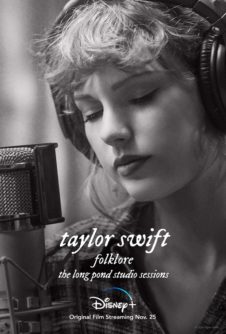
FOLKLORE: THE LONG POND STUDIO SESSIONS
A polished, reflective music documentary for discerning adults.
Should You Watch It?
This is a thoughtful, introspective music documentary built around Taylor Swift and her team unpacking the songs on Folklore. Its strength is not conventional entertainment. It is informative, reflective, and focused on songwriting, collaboration, and meaning.
The filmmaking quality is solid, and adults who already appreciate Swift’s music may find the performances and explanations worthwhile. The content rating is serious, however. Strong foul language, social drinking, and mixed Romantic, Feminist, New Age, and false-religion elements make this a poor choice for children and young teens.
If you are an adult Taylor Swift fan who can engage the material with discernment, it is worth watching. For a family movie night, choose something else.
The Story
NO SPOILERS — WE KEEP THE SURPRISESTaylor Swift and her music team gather to discuss the songs from her album Folklore. They explain the songwriting and collaboration behind each track, then perform the songs in the studio.
The documentary explores songs inspired by other people, events from Swift’s past, and imagined possibilities. It also shows how the album came together during the COVID-19 pandemic, when the musicians were recording in quarantine from different parts of the country.
Is It Any Good?
Four stars means this is a solidly made documentary with real value for its intended audience. Swift, Jack Antonoff, and Aaron Dessner explain the songwriting and collaboration process, while the studio performances give the film a clear structure.
Still, the film is more informative than entertaining, even as a documentary. Its audience will likely be niche, particularly Taylor Swift’s fans. Average viewers may not choose it for a casual Friday night, but the filmmaking quality remains solid.
The Worldview
The documentary presents a strong mixed worldview. Its Romantic elements include Swift’s love of the concept of fate and songs about what could be but is not reality. Its Feminist elements focus on unjust differences in how men and women have been treated, along with a song about a “mad woman” supporting women speaking their minds.
The film also includes New Age language when Swift says, “the universe is doing its thing,” while explaining a song’s meaning. Karma appears in the context of relationships, presenting one false-religion element. Alongside these ideas are moral themes about taking responsibility for one’s actions and maturing.
The film’s emphasis on creativity and personal experience can encourage thoughtful discussion, but its ideas about fate, the universe, and karma depart from a biblical view of God’s providence. Scripture says, “The heart of man plans his way, but the LORD establishes his steps” (Proverbs 16:9).
The Content Guide
The specifics — spoilers included by nature — so you can judge for your own family.
Dominant Worldview and Other Worldview Content/Elements
Strong Romantic worldview. Mention of the love of the concept of fate, songs about what could be but aren’t a reality. Strong Feminist elements as Swift mentions the unjust differences in the way men and women are treated in present day and have been treated in the past and she also has a whole song about a “mad woman” which supports women being able to speak their mind. New age elements when Swift mentions “the universe is doing its thing,” as she explains her heart behind a song’s meaning. One false religion element when Swift mentions Karma in relationships. Moral elements about taking responsibility for one’s actions and maturing
Foul Language
Strong foul language. 10 obscenities (mainly S-words) and 3 profanities including 1 Jesus profanity
Violence
Allusions to someone wanting to commit suicide but then pressing on
Sex
No sex
Nudity
Level and kind of nudity
Alcohol Use
Social drinking and Taylor Swift mentions she imagined partygoers for a song’s inspiration but there’s no mention of drunkenness Swift rhymes “mine” with “wine”
Smoking and/or Drug Use and Abuse
Smoking content and/or level of drug use or abuse;
Miscellaneous Immorality
Nothing else objectionable.
Talk About It
Questions for the drive home, the dinner table, or the youth group.
Swift discusses fate and imagined possibilities in her songs. How is biblical trust in God different from believing life is governed by fate?
Proverbs 16:9 · Matthew 6:25–34The documentary addresses differences in how men and women have been treated. How should Christians pursue justice while speaking truth with humility?
Micah 6:8 · James 1:19–20The film includes moral themes about taking responsibility and maturing. What does genuine growth look like when we have done wrong?
Proverbs 28:13 · 2 Corinthians 7:10Swift refers to “the universe” and karma. What does Scripture teach about who governs the world and how justice is ultimately handled?
Acts 17:24–25 · Romans 12:19The Final Word
This is a polished, reflective documentary with particular value for Taylor Swift fans. Its strong language, social drinking, suicide allusion, and mixed worldview make it unsuitable for children and young teens. For discerning adults, it is WORTH THE TRIP — ADULTS ONLY. For a family movie night, see our.















