Before your family settles on an Oct. 31 movie, there’s another story worth revisiting: the church debate behind Reformation Day.
“The true treasure of the Church is the Most Holy Gospel of the glory and the grace of God,” Catholic monk and theology professor Martin Luther wrote in his 95 Theses in 1517.
That sentence points to something bigger than a history lesson. Reformation Day invites families to remember why the Gospel matters — and to open their Bibles together.
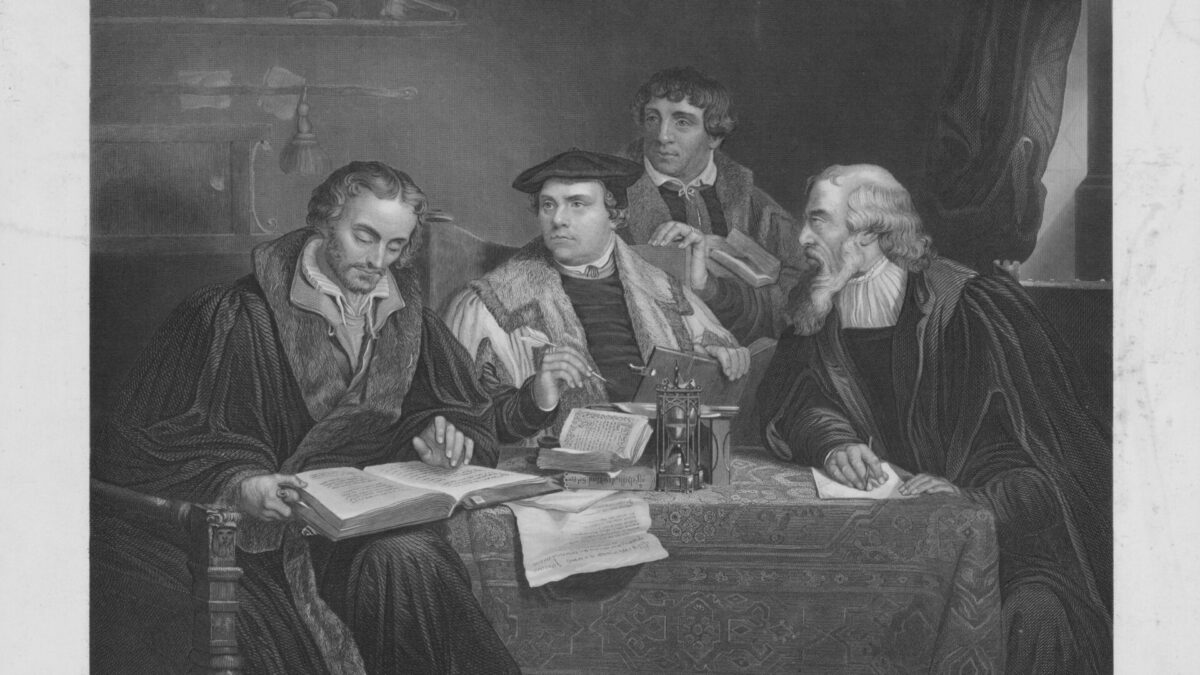
On Oct. 31, 1517, Luther sent church authorities his objections to the sale of indulgences, challenging a practice that encouraged people to place their confidence in purchased religious assurances. According to the Deutschland Museum’s account, he enclosed his theses in a letter to the archbishop of Mainz.
Tradition pictures Luther nailing those arguments to the Castle Church door in Wittenberg, Germany, though historians debate that detail. His written challenge, and the controversy that followed, helped launch the Protestant Reformation.
Luther initially sought renewal within the church, not a new denomination. But the debate grew far beyond indulgences, raising questions about church authority, repentance and salvation.
The Reformation helped divide Western Christianity into Roman Catholic and Protestant communities. At its theological heart, the Protestant movement emphasized salvation by God’s grace through faith in Jesus Christ, rather than human achievement — a conviction the 1530 Augsburg Confession states directly.
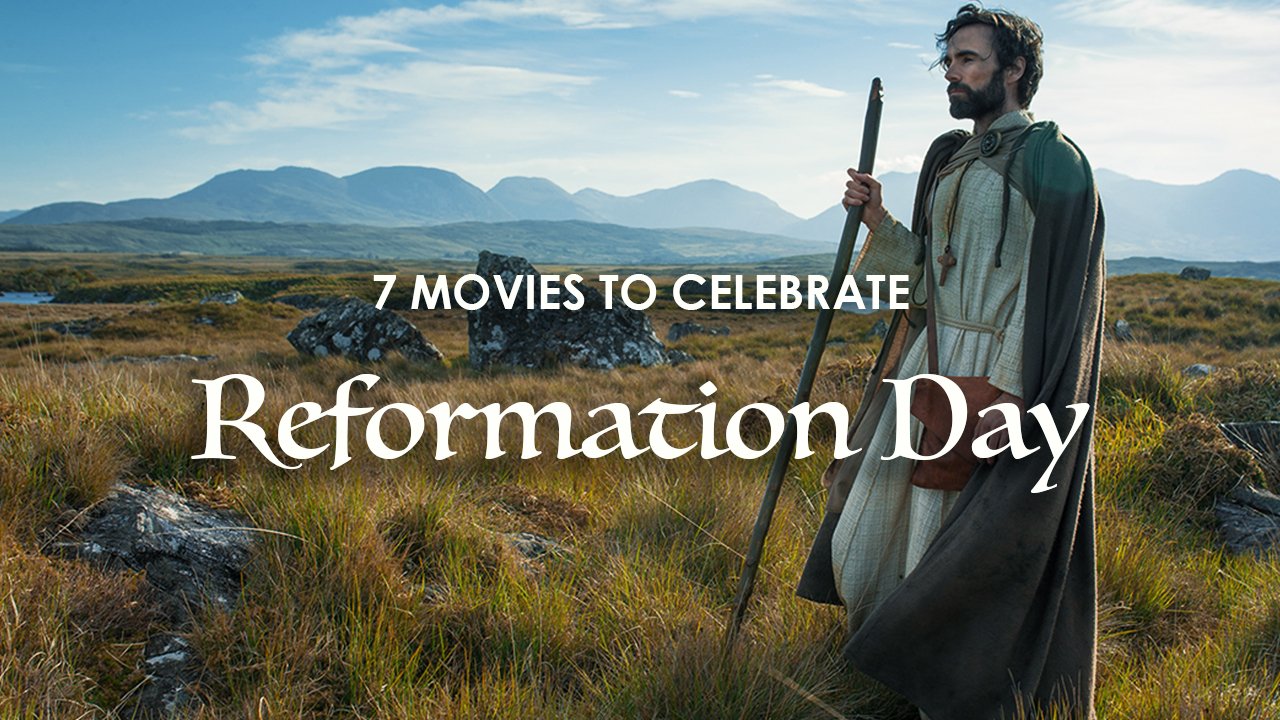
Related: 7 Movies to Celebrate Reformation Day
Its influence also reached beyond the pulpit. The printing press helped reformers spread their writings quickly, while Luther’s German Bible translation influenced the development of standardized German, the Deutschland Museum explains.
That history also includes painful divisions and violence, not just courageous convictions. Remembering the Reformation honestly means celebrating the Gospel without turning its human participants into flawless heroes or treating other Christians with contempt.
Today, the observance remains part of both church life and public culture. The International Trade Administration’s 2026 German holiday calendar lists Reformation Day as a public holiday in nine German states.
In American church life, the Lutheran Church—Missouri Synod’s Reformation Day calendar encourages special services on Oct. 31 or the preceding or following Sunday. Its suggested readings include Psalm 46 and Romans 3:19–28, keeping the focus on God’s faithfulness and the gift of righteousness through faith.
Families can begin their own celebration there. Read Romans 3 together, then ask children to explain the difference between receiving a gift and earning a reward.
Make room for questions, too. Ask your pastor which parts of the Reformation shaped your congregation, or help older children explore why Christians disagreed and how to discuss those differences graciously.
A movie night can bring the history closer. Movieguide®’s Reformation Day viewing list includes LUTHER, the 2003 historical drama starring actor Joseph Fiennes as the reformer.
Our LUTHER review commends its focus on Scripture and faith, while noting its Protestant viewpoint and content concerns, including nine obscenities and images of burned bodies and dead people. Parents should read the full review before choosing it for teenagers; this isn’t a little-kid history lesson.
Afterward, talk about the difference between standing for truth and lashing out at people. Then put the remote down, thank God for His grace and choose one way to make Scripture part of family life beyond October.
Reformation Day doesn’t need an elaborate party to mean something. A Bible, an honest conversation and time to worship together make a good beginning.
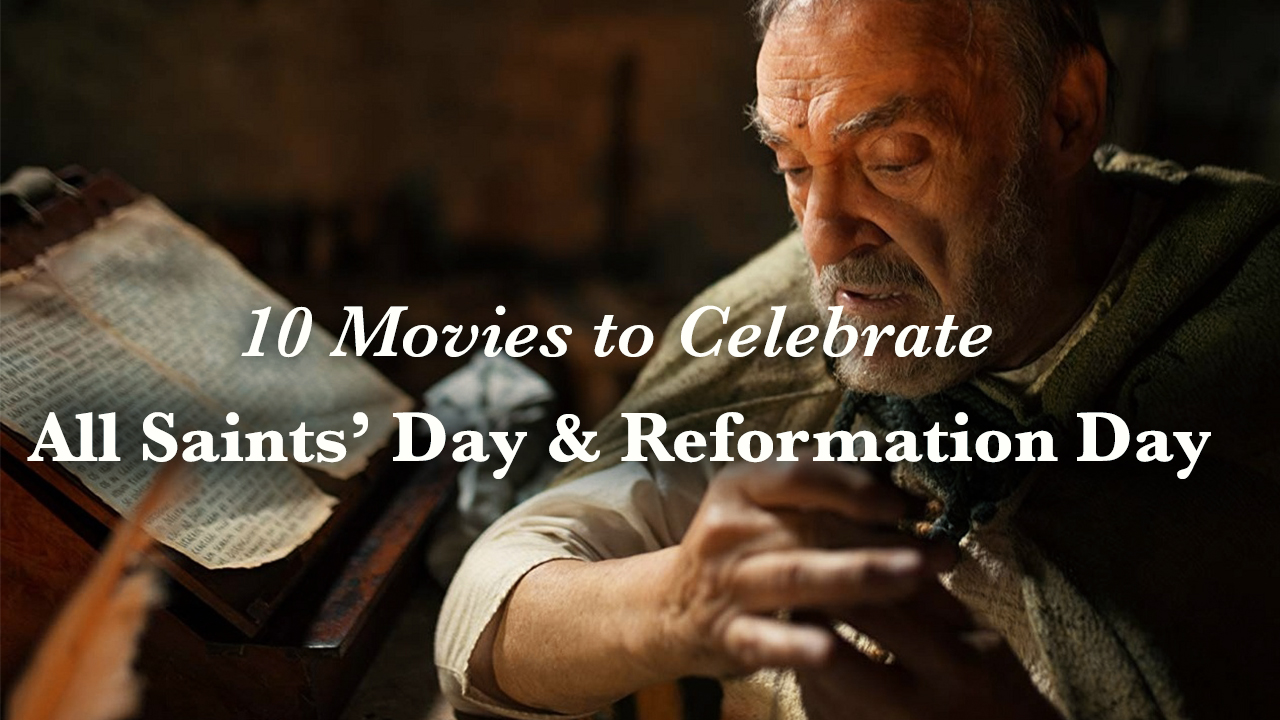
Read Next: 10 Movies to Watch in Honor of All Saint’s Day and The Reformation
Questions or comments? Please write to us here.