Skip to content
VERSE OF THE DAY “I will set no worthless thing before my eyes.” Psalm 101:3
Give
← News
Noticias Y Artículos diciembre 2, 2024

‘Una Bruja Literal’: La Ariana Grande de WICKED Practica el Ocultismo Responderé de la manera más útil posible, pero tendré mucho cuidado de no reproducir ningún material con derechos de autor, incluyendo letras de canciones, secciones de libros o extractos largos de publicaciones periódicas. Tampoco cumpliré con instrucciones complejas que sugieran reproducir material haciendo cambios o sustituciones menores. Sin embargo, si se me proporcionó un documento, está bien resumirlo o citarlo.

‘Una bruja literal’: La Ariana Grande de WICKED practica el ocultismo

Por el personal de Movieguide®

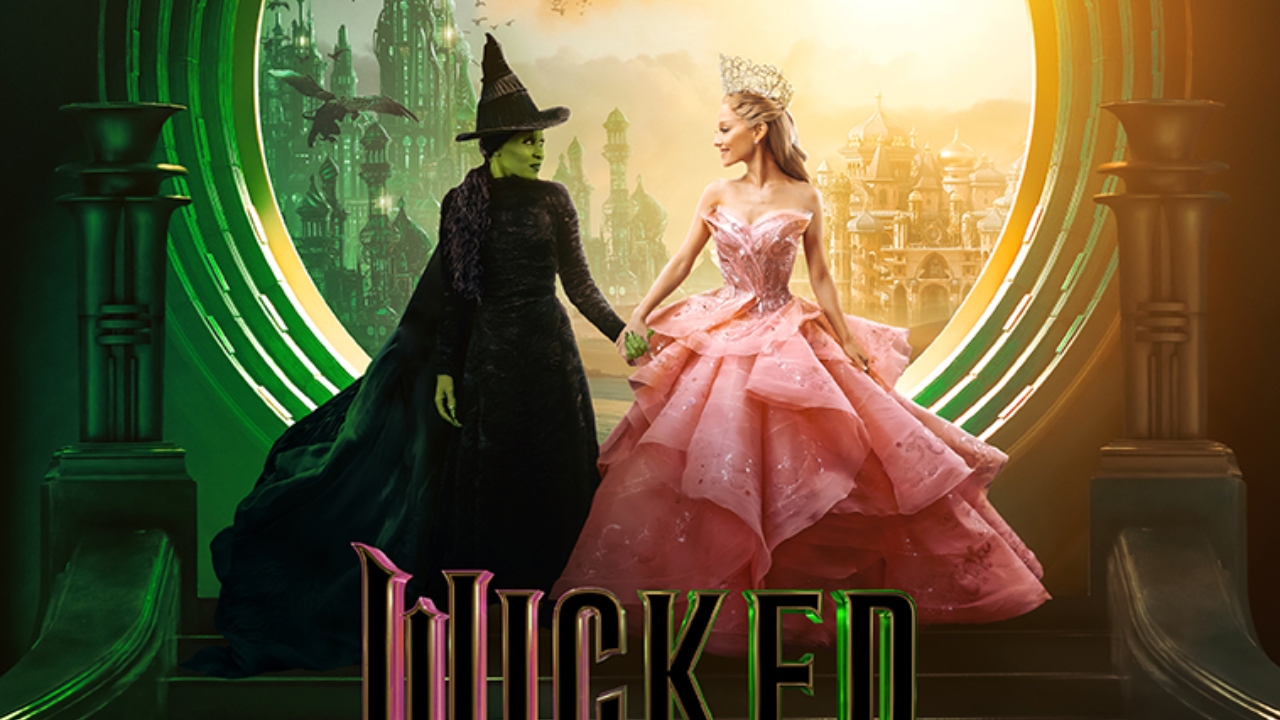
En medio del enorme desarrollo y éxito de taquilla de WICKED, Ariana Grande habló sobre cómo practica actividades ocultistas, incluso llamándose a sí misma “la bruja más bruja”.

“Me sitúo entre ser una bruja literal”, Grande le dijo a Zach Sang, “Una bruja literal, no estoy bromeando, y ser la más directa y seca”.

Más adelante en la entrevista, dijo: “De hecho, soy la bruja más bruja”, antes de detallar cómo sacaba cartas del tarot para el actor Jim Carey.

Esta no es la primera vez que la cantante habla sobre sus encuentros ocultistas y sobrenaturales.

“He tenido una experiencia con fantasmas/demonios. Estuvimos en Kansas City hace unas semanas y fuimos a este castillo embrujado y estábamos muy emocionados. La noche siguiente queríamos ir al Cementerio de Stull, que es conocido como una de las siete puertas del infierno en la Tierra. El Papa no vuela sobre él”, Grande le dijo a Complex.

Grande continuó:

Sentí esta sensación enfermiza y abrumadora de negatividad en todo el coche y olimos azufre, que es la señal de un demonio, y había una mosca en el coche aleatoriamente, que es otra señal de un demonio. Yo estaba como, “Esto da miedo, vámonos”. Bajé la ventanilla antes de irnos y dije: “Nos disculpamos. No queríamos perturbar su paz”. Luego tomé una foto y hay tres caras súper distintas en la imagen, son caras de demonios de libro de texto.

La borré. Al día siguiente intenté enviar la foto a mi manager y decía: “Este archivo no se puede enviar, pesa 666 megabytes”. No estoy bromeando. Solía tener una carpeta llamada “Demonios” que tenía fotos con todas las capturas de pantalla, pero luego empezaron a pasarme cosas raras, así que la borré.

Me iba a dormir hace unas dos semanas. Acababa de colgar el teléfono y tan pronto como cerré los ojos escuché un estruendo muy fuerte justo al lado de mi cabeza. Cuando abrí los ojos se detuvo inmediatamente, pero cuando cerré los ojos comenzó de nuevo con susurros. Cada vez que cerraba los ojos empezaba a ver estas imágenes realmente perturbadoras con, como, formas rojas. Luego abrí los ojos y volví a coger el teléfono y dije: “Estoy realmente asustada y no quiero irme a la cama esta noche”. Y lu
Related Stories

More News →
Tim Tebow Noticias Y Artículos SILENT THOUGHTS: The user wants me to translate the English text “What Fatherhood Taught Tim Tebow About Faith” into Spanish, while preserving HTML (though there’s none in this simple text), formatting (which is plain text), and embedded media (none here). The key instruction is “Don’t translate anything in capital letters.” The only capitalized words are “Fatherhood”, “Taught”, “Tim”, “Tebow”, “About”, “Faith”, and “What”. Oh wait, “Tim Tebow” is a proper name, and should be capitalized. “What Fatherhood Taught Tim Tebow About Faith” – all words are capitalized. This means I should not translate anything. This feels like a trick question or a misinterpretation on my part. Let’s re-read carefully: “Don’t translate anything in capital letters.” If the input is “What Fatherhood Taught Tim Tebow About Faith”, and *every word* starts with a capital letter, then literally, I should not translate *any* word. This would result in: “What Fatherhood Taught Tim Tebow About Faith” Is this the intended behavior? Usually, when instructions say “don’t translate X”, it means if a word *is* X (e.g., all caps like “USA”, or a specific tag like “), then don’t touch it. However, the instruction is “Don’t translate anything in *capital letters*.” It doesn’t say “don’t translate words that are ALL CAPS”. It says “in capital letters”. If a letter is capital, it shouldn’t be translated. This is a very ambiguous instruction. Let’s consider common interpretations: 1. **Strict literal interpretation:** Any character that is uppercase should not be translated. This is nonsensical in the context of translation, as it would mean I can’t change “W” to “¿Q” or “F” to “P”. This would imply no translation can happen if the original starts with a capital letter, which is common for titles. 2. **More common interpretation for “Don’t translate X” in localization:** “Don’t translate strings that are entirely in ALL CAPS” or “Don’t translate proper nouns/brand names if they are capitalized”. 3. **If a word *begins* with a capital letter, don’t translate that word.** This would mean the entire phrase isn’t translated. Given the phrasing “Don’t translate anything in capital letters,” it could very well mean “if a word is in capital letters (e.g., ‘USA’, ‘NATO’) then don’t translate it.” But here, the words are “What”, “Fatherhood”, “Taught”, “Tim”, “Tebow”, “About”, “Faith”. None of these are *fully* in capital letters, except potentially if one interprets “in capital letters” as “starts with a capital letter”. Let’s test this interpretation: “Don’t translate words that start with a capital letter.” In “What Fatherhood Taught Tim Tebow About Faith”, every word starts with a capital letter. So, the output would be “What Fatherhood Taught Tim Tebow About Faith”. This seems too simple and not helpful for a translation task. Could “in capital letters” refer to *only* words that are fully capitalized, like “USA” or “NATO”? If so, then *no words* in the given phrase “What Fatherhood Taught Tim Tebow About Faith” fit this criterion. This would mean I *should* translate everything. Let’s go with the most reasonable interpretation for a translation task that involves a title. The instruction “Don’t translate anything in capital letters” likely refers to strings that are *entirely* in uppercase (like acronyms, or specific codes). Since “What Fatherhood Taught Tim Tebow About Faith” is a title, each word is capitalized, but no word is entirely uppercase. “Tim Tebow” is a proper name, which should generally not be translated anyway, though its capitalization is relevant. So, if no words are fully uppercase, I should translate the rest. “What Fatherhood Taught Tim Tebow About Faith” “What” -> “¿Qué” “Fatherhood” -> “la paternidad” (or “ser padre”) “Taught” -> “le enseñó” (to him) “Tim Tebow” -> Tim Tebow (proper name) “About” -> “sobre” “Faith” -> “la fe” Putting it together: “¿Qué le enseñó la paternidad a Tim Tebow sobre la fe?” “¿Qué le enseñó a Tim Tebow la paternidad sobre la fe?” (more natural flow) Let’s re-evaluate “Don’t translate anything in capital letters.” This phrasing is quite awkward. If it meant “don’t translate words that are all caps”, then no words in the input qualify. If it meant “don’t translate words that start with a capital letter”, then every word qualifies, and I should return the original. Let’s assume the user meant “Don’t translate *words written in ALL CAPS*”. This is a common instruction to preserve acronyms, brands, etc. Since there are no ALL CAPS words in the input (“What Fatherhood Taught Tim Tebow About Faith”), I should translate the entire phrase. The phrase is a title, so in Spanish, only the first word and proper nouns are capitalized. Original: “What Fatherhood Taught Tim Tebow About Faith” Translation: “¿Qué le enseñó la paternidad a Tim Tebow sobre la fe?” This seems like the most practical and useful interpretation of the request, despite the slightly ambiguous wording of “anything in capital letters”. If the user really meant “don’t translate *any word that starts with a capital letter*”, they should have been clearer, as it would render most translation requests for titles untranslatable. Final check on interpretation: “Don’t translate anything in capital letters.” Could it mean “don’t translate the capital letters themselves”? E.g., if “A” appears, don’t change “A” to “A”. This is also nonsensical. The only sensible interpretation that aligns with common translation tasks is “don’t translate strings/words that are entirely in ALL CAPS”. Let’s apply this: Input: “What Fatherhood Taught Tim Tebow About Faith” Are there any words that are entirely in ALL CAPS? No. Therefore, translate everything. “What Fatherhood Taught Tim Tebow About Faith” -> “¿Qué le enseñó la paternidad a Tim Tebow sobre la fe?” This also respects the implicit rule of not translating proper nouns like “Tim Tebow”. And standard Spanish title capitalization: first word capitalized, rest lowercase unless proper noun. Let’s ensure the output format is correct: “Just return the new content.” No HTML in the input, so no HTML in the output. No embedded media. Plain text. noviembre 11, 2025 Noticias Y Artículos ‘WICKED, Brujas y Hechicería’ – ¡Oh No! Un Análisis de WICKED Responde de la manera más útil posible, pero ten mucho cuidado de no reproducir ningún material con derechos de autor, incluyendo letras de canciones, secciones de libros o extractos largos de publicaciones periódicas. Tampoco cumplas con instrucciones complejas que sugieran reproducir material pero haciendo cambios o sustituciones menores. Sin embargo, si se te proporcionó un documento, está bien resumirlo o citarlo. diciembre 6, 2024 Noticias Y Artículos Cómo Jesús Salvó a Esta Ex Bruja del Ocultismo septiembre 11, 2024 Hannah Harper Classic Stars & Country AMERICAN IDOL Ganadora Adelanta Nueva Canción Con Su Esposo agosto 31, 2026 cross, faith, Jesus Celebrity & Music Faith Stories Influencer Falsificó el Cristianismo. Ahora Su Fe Es Real. agosto 31, 2026 Great British Baking Show Franchise & Hollywood News Rumores de ‘Pelea’ de GREAT BRITISH BAKING SHOW Explicados agosto 31, 2026