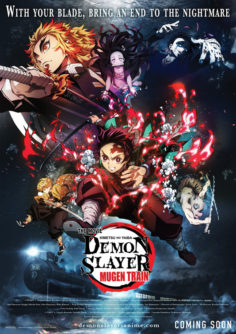
DEMON SLAYER THE MOVIE: MUGEN TRAIN
Ultraviolent, uneven battles with cannibalistic human demons.
Should You Watch It?
The decision is straightforward: skip this one. The movie has a clear conflict between heroes battling evil demons, and some morally uplifting elements, including a mother telling her son to use his “God-given” strength to help weaker people. But those elements are overwhelmed by excessive violence, foul language, occult magic, and a false demonology.
The entertainment itself is uneven. The opening section is slow because it moves through several dream sequences and flashbacks. Later fights often rely on static animated poses, magical powers, and shouting about breathing techniques rather than exciting movement.
If your older teenager or you already follow the series, this review may help you understand what the film contains. For family viewing, however, the answer is practical and firm: skip it.
The Story
NO SPOILERS — WE KEEP THE SURPRISESTanjiro, Zenitsu, and Inosuke, three young members of the Demon Slayer Corps, board the Mugen train to assist Rengoku, a high-level demon slayer investigating disappearances.
The Corps suspects that a powerful demon is responsible. The demon soon puts the heroes into a deep sleep, trapping them inside dreams while threatening everyone aboard the train.
Is It Any Good?
Two stars means this film has some engaging ideas but is substantially weakened by its execution. The central conflict gives the heroes a clear mission, and the story includes morally uplifting and redemptive elements.
Still, the movie is weird and uneven. The first part is rather slow because it enters the dreams of four characters, using them as flashbacks to their origins. Some encounters are confusing, including a demon whose hand has a mouth and a grayish blob of flesh covering the train. The later sword fights are long and fairly uninteresting, often consisting of boring animated poses rather than exciting animated movement.
The Worldview
The movie presents a strong, slightly mixed pagan worldview. Its demons are transformed humans who become supernatural, cannibalistic monsters. They gain power by consuming people, while the Demon Slayers grow stronger through martial arts skills and breathing techniques. The film also includes occult magic, reincarnation, future lives appearing in a heavenly realm, and a “spiritual core” or soul.
The story does contain morally uplifting elements. Rengoku’s mother tells him to use his “God-given” strength to help weaker people, and Tanjiro asks forgiveness from his dead family. The heroes are battling cannibalistic evil, and forgiveness is extolled in one scene.
But the film gives no clear origin for the heroes’ special skills or the demons’ supernatural powers. No one appeals to God for help, and the movie includes no angels. Its one reference to God appears impersonal and vaguely rooted in Hinduism or Japanese Shinto folklore. The result is a false theology beneath a story that treats occult powers and an absurd demonology as part of its world.
The film’s central conflict is a battle against evil, but Scripture gives a different way to understand that struggle: “Do not be overcome by evil, but overcome evil with good” (Romans 12:21).
The Content Guide
The specifics — spoilers included by nature — so you can judge for your own family.
Dominant Worldview and Other Worldview Content/Elements
Very strong, slightly mixed pagan worldview with false theology including a false demonology, a reference to reincarnation with an example of preborn future spirits, references to having a “spiritual core,” cannibalistic demon characters use occult magic against heroes and innocent victims, mitigated by some moral, redemptive elements such as one hero’s mother tells him he always must use his “God-given” strength to help weaker people (but God seems impersonal and nonactive in the movie otherwise), forgiveness is extolled in one scene, and heroes are battling cannibalistic evil, plus one hero seems slightly effeminate because he wears two ceremonial earrings handed down to him by his father
Foul Language
16 obscenities (mostly “d” and “h” words) and zero profanities
Violence
Some extreme and bloody violence, and lots of action violence includes teenager comes home to find bloody corpses of his murdered family, scary human villains who’ve been transformed into cannibalistic demons who prey on people, some blood spurting during sword fighting, heroes try to decapitate demon characters to kill them, demon characters talk about eating people,
Sex
No sexual content or references
Nudity
Upper male nudity in multiple scenes (one main character wears the head of the boar animal who raised him when his mother was killed and no shirt)
Alcohol Use
No alcohol use
Smoking and/or Drug Use and Abuse
No smoking or drugs;
Miscellaneous Immorality
One hero is conceited, villain is narcissistic, and characters are put to sleep by a spell and their hands tied up.
Talk About It
Questions for the drive home, the dinner table, or the youth group.
The film presents demons as supernatural cannibals who gain power by consuming people. How does Scripture describe the source of evil and the way believers should resist it?
James 1:14–15 · 1 Peter 5:8–9Rengoku’s mother tells him to use his strength to help weaker people. What does biblical strength look like, and whom are Christians called to serve?
Mark 10:42–45 · Galatians 6:2Tanjiro asks forgiveness from his dead family. What is the difference between expressing grief, seeking forgiveness, and receiving forgiveness from God?
Psalm 51:1–4 · 1 John 1:9The movie includes reincarnation and a “spiritual core.” What does the Bible teach about human destiny and resurrection instead?
Hebrews 9:27 · 1 Corinthians 15:20–22The Final Word
This film has a clear battle between good and evil, but its excessive violence, foul language, occult magic, and false theology overwhelm those merits. Its uneven animation and slow, confusing storytelling add little reason to endure the content. For your family, SKIP IT. See more suitable alternatives here:.