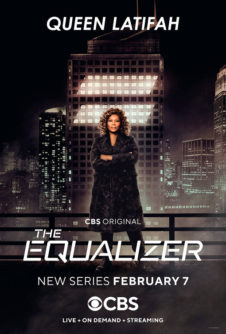
THE EQUALIZER: Episode 1.1: The Equalizer
McCall answers the call in an intense, morally grounded thriller.
Should You Watch It?
This pilot earns its four-star entertainment rating. It is intense, engaging and well paced, with Queen Latifah believable as Robyn McCall, a tough but appealing former spy and military commando. Its moral center is also clear: Robyn wants to help people who cannot find help through the police or judicial system, while trying to guide her rebellious teenage daughter through tough love.
The cost is real. The episode includes 12 obscenities, strong action violence and a brief reference to teenagers smoking marijuana. It also contains brief alcohol use and light environmentalist and anti-capitalist elements. The Christian material is light but redemptive.
If you are watching with older teens or adults, this is worth adding to the lineup. For younger children, choose something else.
The Story
NO SPOILERS — WE KEEP THE SURPRISESRobyn McCall has left the CIA after growing disappointed with her bosses. She now lives with her sister and teenage daughter, Delilah, while keeping her former life secret.
When a college-bound waitress is framed for murder, Robyn decides to use her specialized skills to help. As the rescue effort becomes more complicated, Robyn must also confront her daughter’s rebellion at home.
Is It Any Good?
Four stars means this pilot is a highly effective piece of television. It moves briskly, holds attention and builds an engaging thriller around appealing characters.
Queen Latifah is believable as the tough, mysterious former spy and military commando. Robyn’s desire to help people in need gives the action a strong moral foundation, while her efforts to teach her daughter add emotional weight.
The Worldview
The episode presents a strong moral worldview centered on helping people who cannot find justice through ordinary institutions. Robyn skirts the law and uses deception, but the story frames her actions as an effort to protect people in danger. It also portrays a police detective as a good man and treats teenage rebellion as behavior requiring correction rather than celebration.
The episode includes light Christian and redemptive references. One woman calls taking her daughter shopping “my cross to bear,” while Robyn applies tough love as she tries to teach her daughter the way she should go. The story also includes environmentalist and anti-capitalist elements, with global warming mentioned and the villain portrayed as a wealthy, ruthless inventor.
The episode’s central moral impulse—protecting the vulnerable and guiding the rebellious—aligns with biblical concern for justice and wisdom, even though Robyn’s methods do not always align with biblical respect for lawful authority. Scripture says, “Train up a child in the way he should go; even when he is old he will not depart from it” (Proverbs 22:6).
The Content Guide
The specifics — spoilers included by nature — so you can judge for your own family.
Dominant Worldview and Other Worldview Content/Elements
Strong moral worldview where former CIA agent and military solider starts to help people in need who can’t go to the police or the judicial system for help, with light Christian, redemptive references such as woman says taking her daughter shopping is “my cross to bear,” but heroine skirts the law and uses deception to help people in need (of course, sometimes society’s laws are unbiblical and inimical to people’s survival and liberty), plus a police detective is portrayed as a good guy, and there’s some light politically correct environmentalist and anti-capitalist elements (such as a computer expert complains about the ice caps melting, and the bad guy in the episode is a wealthy but ruthless inventor)
Foul Language
12 obscenities but no profanities
Violence
Strong action violence includes former soldier and spy fights and shoots it out with four bad guys, heroine rescues a teenage girl framed for murder and being held in police custody but in danger of being assassinated, chase scene between police cars and two women riding a motorcycle, villains take heroine hostage and water board her to get information from her, man punches heroine, but she can punch back, heroine barely escapes an exploding warehouse, heroine invades bad guy’s home to tie him up until police can come to arrest him
Sex
No sex
Nudity
No nudity
Alcohol Use
Brief alcohol use
Smoking and/or Drug Use and Abuse
No smoking but a reference to teenagers smoking marijuana, which, however, is rebuked and punished, as is teenage rebellion;
Miscellaneous Immorality
Heroine skirts the law to help a high school senior framed for murder, rebellious teenager, but her mother takes away some privileges and has her do some community service working with other troubled teenage girls, and wealthy inventor hides a product failure and hires assassins.
Talk About It
Questions for the drive home, the dinner table, or the youth group.
Robyn helps someone who cannot find justice through ordinary channels. When is it right to seek help outside an institution, and how should Christians respect lawful authority?
Romans 13:1–4 · Micah 6:8Robyn responds to her daughter’s rebellion with consequences and community service. What makes discipline loving rather than merely punitive?
Proverbs 22:6 · Hebrews 12:11The episode connects wealth with hidden wrongdoing. How does Scripture warn us about money, power and the treatment of vulnerable people?
James 2:1–9 · 1 Timothy 6:17–19Robyn is motivated by the people she could not save. How can grief become compassion instead of despair?
2 Corinthians 1:3–4 · Galatians 6:2The Final Word
This is a polished, engaging pilot with a strong moral center and light Christian elements. Its foul language and strong violence call for discernment with younger viewers, but older teens and adults may find a compelling hero in Robyn McCall. WORTH WATCHING — OLDER TEENS AND ADULTS.