
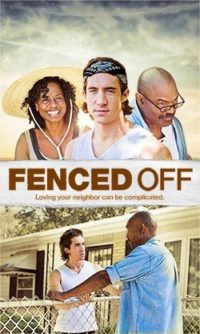
FENCED OFF
A fairly good drama about overcoming racial prejudice.
Should You Watch It?
FENCED OFF is a fairly good drama with a clear moral purpose. It exposes the unnecessary and offensive nature of racial prejudice while showing how stereotypes can damage relationships. Its light Christian theme comes through as two men learn to forgive and accept one another.
The film includes minor drug references and tense confrontations, including a brief fight. There is no foul language or salacious content. Younger children may miss the point, but older children and adults can find a worthwhile lesson in Josh and George’s movement from suspicion toward peace.
If your family is ready for a serious conversation about stereotypes and forgiveness, this is worth watching together.
The Story
NO SPOILERS — WE KEEP THE SURPRISESJosh, a Caucasian man, moves into a predominantly African American neighborhood of middle-class families. He likes the house, his neighbors, and the affordable price, but he is warned that the area is still considered dangerous or at risk.
When a series of unsettling events challenges Josh’s assumptions about his new home and its residents, he begins to question whether moving there was a mistake. He must decide whether to leave or pursue understanding with the people around him.
Is It Any Good?
Three stars means a fairly good movie with some entertainment value. Josh’s difficult weekend gives the drama a clear character arc, moving him from enthusiasm about his new home through concern and conflict toward a renewed sense of peace.
The film’s strongest element is its moral focus. The story directly challenges racial prejudice and stereotypes, while George and Josh’s changing relationship provides a light redemptive thread. The subject matter may be too weighty or unfamiliar for younger children, but the film offers older viewers a meaningful lesson.
The Worldview
FENCED OFF strongly rejects racial prejudice and shows how offensive and unnecessary stereotypes can be. Josh initially interprets ordinary situations through fearful assumptions, while George and others also carry their own suspicions about Josh. The film treats these assumptions as barriers that must be confronted rather than justified.
The story exalts forgiveness, acceptance, neighborliness, and the possibility of friendship across racial divisions. It also presents a redemptive movement as George and Josh learn to accept one another. Its Christian theme is light rather than explicit, but its moral direction aligns with biblical teaching about reconciliation and rejecting partiality.
The film’s central hope is that people can move beyond prejudice and live in peace with one another. Scripture calls believers to do the same: “If possible, so far as it depends on you, live peaceably with all” (Romans 12:18).
The Content Guide
The specifics — spoilers included by nature — so you can judge for your own family.
Content Summary
Strong moral worldview reveals the unnecessary and offensive nature of racial prejudice, with a light Christian theme present as two men learn to forgive and accept one another; no foul language; light violence includes man hears a gunshot his first night in his new neighborhood and fight breaks out among neighborhood boys and one man, but another man quickly stops it; no sex, but married couple kisses; upper male nudity of man in shower; man has alcohol in his refrigerator and man pours out bottles of alcohol in brother’s garage; some drug references; and, racism, stereotyping and racial conflict occur, but are rebuked by the end.
Talk About It
Questions for the drive home, the dinner table, or the youth group.
What assumptions do Josh and the other neighbors make about one another? How can we challenge our own assumptions?
James 2:1–4 · 1 Samuel 16:7When does fear become prejudice? What does loving your neighbor require when trust is difficult?
Matthew 22:37–39 · Philippians 2:3–4George and Josh move toward forgiveness and acceptance. What makes forgiveness difficult, and what does biblical forgiveness look like?
Ephesians 4:31–32 · Colossians 3:13What would it mean to pursue peace in a conflict within your neighborhood, school, or family?
Romans 12:18 · Matthew 5:9The Final Word
FENCED OFF is a fairly good drama with a strong moral worldview. Its brief violence and minor drug references call for discernment, but its lessons about rejecting prejudice and learning to forgive make it worthwhile for older children and adults. Our answer is WORTH THE TRIP — OLDER CHILDREN AND ADULTS.