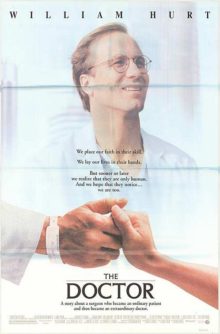
THE DOCTOR
A compassionate medical drama weakened by obscenities and an uneven script.
Should You Watch It?
THE DOCTOR has a strong premise and a worthwhile moral center. A professionally detached heart surgeon is forced to experience illness from the other side of the hospital bed. Through cancer treatment and a friendship with another patient, he learns to treat people with sensitivity and respect.
The film highlights the Golden Rule and Luke 6:31. It also depicts tenderness, especially in the surgeon’s inner struggle and the ordeal of tumor surgery. But the transformation from indifference to sensitivity feels incomplete, the emotional basis of one relationship is unclear, and a malpractice subplot complicates the story unnecessarily.
The obscenities soil the positive message. Because the film has much to offer but does not fully deliver on its promise, watch it at home, where you can guide the conversation.
The Story
NO SPOILERS — WE KEEP THE SURPRISESJack is a 40-year-old heart surgeon who believes doctors should remain emotionally detached from their patients. After a sore throat and cough lead to the discovery of a malignant tumor on his vocal cords, Jack must become a patient himself.
As he encounters the medical system from the other side, he meets June, a fellow cancer patient whose endurance begins to challenge everything he believes about medicine, suffering, and human connection.
Is It Any Good?
Three stars means this is a worthwhile but flawed drama. THE DOCTOR offers a compelling moral premise and several tender moments, especially in Jack’s inner struggle and the ordeal of tumor surgery.
The script keeps the film from becoming great. Jack’s complete transformation feels difficult to believe, his emotional connection with June is not clearly defined, and his commitment to his wife is not fully developed. A malpractice subplot involving his colleague unnecessarily complicates the story. The film’s exemplary message is stronger than its execution.
The Worldview
THE DOCTOR presents medicine through the question of how patients should be treated. Jack begins with a philosophy of stoic detachment, warning medical interns not to become emotionally involved. His own cancer forces him to experience the fear, dependence, and frustration of being treated by doctors and large medical institutions.
The film exalts tenderness, sensitivity, respect, and the Golden Rule. Jack’s friendship with June helps him see that a medical practice built on indifference is wrong. June prays, meditates, dances, and eats chocolate as she faces her fatal condition. The film’s positive moral message is weakened by its obscenities, and the source review notes that some elements are not totally believable.
The film’s central moral aligns clearly with Scripture: “Just as you want men to do to you, you also must do to them likewise” (Luke 6:31).
The Content Guide
The specifics — spoilers included by nature — so you can judge for your own family.
Content Summary
25 obscenities & a few profanities
Talk About It
Questions for the drive home, the dinner table, or the youth group.
Jack begins by treating patients with emotional detachment. Why does Jesus connect love for others with the way we want to be treated?
Luke 6:31 · Matthew 22:39How can doctors, caregivers, and families show sensitivity and respect to people who are sick or afraid?
Romans 12:15 · Philippians 2:4June faces a fatal condition with prayer and endurance. What does Scripture teach about caring for people who suffer?
Romans 12:12 · Galatians 6:2Why is a good moral message not enough to make a story fully successful? How should truth and the way it is communicated work together?
Philippians 4:8 · Ephesians 4:15The Final Word
THE DOCTOR offers a compassionate reminder to treat patients as people, not cases. Its message is worthwhile, but its obscenities and uneven script make it better for a guided home viewing than a family movie night. Our answer is WAIT FOR HOME.