ZOO (2017)
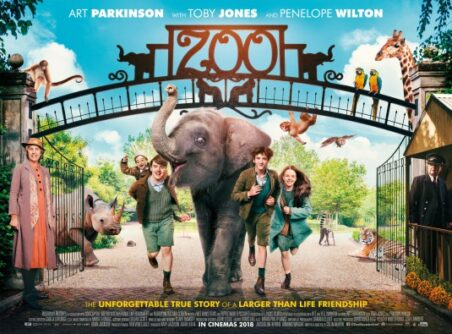
A boy, a baby elephant, and a wartime rescue worth cheering for.
Should You Watch It?
Yes — with one small caveat for your youngest. ZOO tells the true-feeling story of a Belfast boy, his father's elephant, and the group of misfit friends who risk everything to save the animal during World War II air raids. It's a captivating, almost fairy-tale film about friendship, self-sacrifice, and doing right even when it costs you your job, your home, or your reputation.
The performances from its recognizable British cast are excellent, and the story earns its emotion honestly rather than manufacturing it. The wartime setting brings real danger — explosions, gunfire, a few frightening moments — along with a couple of mild profanities and a scene of alcohol withdrawal. None of it feels gratuitous; all of it serves a story about courage under pressure.
If your children can handle wartime peril without nightmares, this is a full-hearted family watch. Bottom line: worth the trip.
The Story
NO SPOILERS — WE KEEP THE SURPRISESBelfast, 1941. Tom Hall's father works at the zoo, and Tom falls instantly in love with Buster, a newly arrived baby elephant. But war is closing in — his father is called into service, air raids begin at night, and Tom soon learns a terrifying rumor: the zoo may have to kill its animals before the bombing lets them loose on the city. Tom can't let that happen to Buster. With a ragtag group of unlikely friends, he sets out to do something about it.
Is It Any Good?
Four stars means this one earns its praise. The acting from its British cast is genuinely excellent, and the storytelling delivers a series of well-built plot turns that keep paying off emotionally rather than feeling contrived. The film captures something true about the plain, direct innocence of childhood — and how ordinary, flawed adults can surprise you with quiet, costly goodness. For an animal-loving family audience, this is a well-told, full-hearted watch from start to finish.
The Worldview
ZOO carries a strong moral worldview, and it earns it through action, not speeches. Tom's bravery and refusal to give up on Buster draw in a whole community of "misfits" — adults included — who choose to help even when it threatens their jobs, their homes, or their reputations. Those self-sacrificial choices, made quietly and at real cost, give the film its emotional backbone and its most moving turns.
Alongside that moral clarity sits a more humanist strand: the systems stacked against Tom's rescue — a rule-following security guard, a patrolling officer, wartime bureaucracy, the government's grim wartime calculations — are portrayed as obstacles rather than villains, part of a world where hard choices get made without reference to God. Faith itself is barely discussed, though one scene shows a classroom praying for the injured and for the firemen who came to help after a bombing — a small, dignified nod to something beyond mere survival.
What the film ultimately honors — courage, self-sacrifice, and caring for the vulnerable when it's costly to do so — echoes something Scripture prizes far more than any film can capture on its own. "Greater love has no one than this, that someone lay down his life for his friends" (John 15:13). ZOO doesn't reach for the gospel, but it does reach for the shape of it.
The Content Guide
The specifics — spoilers included by nature — so you can judge for your own family.
Dominant Worldview and Other Worldview Content/Elements
A strong moral worldview due to Tom Hall’s bravery and drive to save Buster despite the odds. He is a strongly moral character and finds other misfits to join him and protect the elephant. Surprisingly, there are many adults who do end up helping them and doing what is right for Buster usually in self-sacrificing actions, despite the consequences (losing a job, threatening their home, putting their reputation on the line if caught, etc). This provides a beautiful series of plot twists that leave the audience once again believing in good. There is also a Humanist worldview present as the systems that are stacked against the fight to save Buster: such as the government making awful but necessary choices in the face of war. The security guard who follows the rules to a T, the patrolman walking the neighborhood at night demanding answers, the zoo manager setting a reward to find the elephant, the bombings creating constant danger and more. The sheer bravery of Tom Hall and the group truly shines a ray of hope against so much negativity. Religion is not discussed, however there is a scene where the teacher has the students praying for those taking care of the injured and the firemen from all over Ireland who came to help the town after a bombing. Ultimately, the story is about taking care of those you love in desperately brutal times and not letting the brave actions of those who helped go to waste.
Foul Language
2 instances of sh** and 1 use of h*ll. References to “elephant pies.” And one instance where a boy is hiding in a public bathroom and claims, “it’s gonna be a two flusher.”
Violence
Several instances of explosions from an air raid and some injured and minor blood shown, gunshots but no animals are shown harmed, one student punches another in the face
Nudity
No nudity
Alcohol Use
One adult is shown having alcohol withdrawal symptoms and shown drinking from a flask. Boys make fun of a girl for her father being a drunk. Some people shown drinking
Smoking and/or Drug Use and Abuse
None:
Miscellaneous Immorality
Many instances of children disobeying or telling minor lies to their parents to protect the secret of Buster, they “steal” the elephant and medicine from the zoo, and it is implied that Jane’s father doesn’t take good care of her.
Talk About It
Questions for the drive home, the dinner table, or the youth group.
Several adults in this story risk their jobs, their homes, and their reputations to help Tom save Buster. What does it look like to do the right thing when it costs you something real?
John 15:13 · Proverbs 28:1Tom and his friends lie to their parents and "steal" from the zoo in order to save Buster's life. How do we weigh a good goal against the wrong way of pursuing it?
Romans 3:8 · Proverbs 12:22The film shows a classroom praying for the injured and for the firemen helping the city. Why do hard times so often turn people toward prayer — and how do we keep praying when things are calm again?
Philippians 4:6 · James 5:13Denise the "witch" turns out to be a grieving widow who loves animals fiercely. What does this story suggest about judging people by rumor instead of getting to know them?
1 Samuel 16:7 · James 4:11The Final Word
ZOO earns its heart honestly — through bravery, sacrifice, and a boy who refuses to give up on a friend who can't speak for himself. It has a few rough edges worth knowing about, but nothing that outweighs the good here. Same answer we opened with: worth the trip.