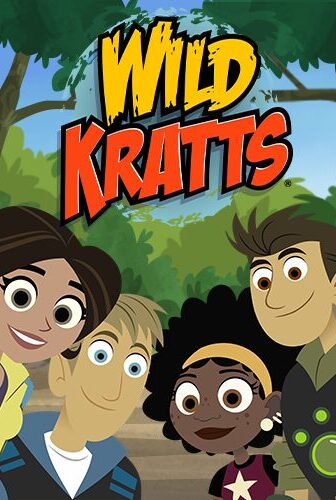
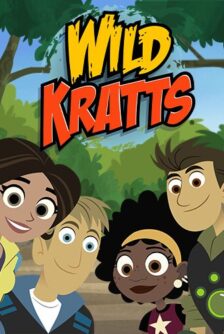
WILD KRATTS: Episode 7.20: “Butternut Tree”
The Kratt brothers turn a threatened tree into a wonder worth saving.
Should You Watch It?
Here is the easy call. The Season 7 finale of WILD KRATTS is exactly what you'd hope from this long-running PBS Kids series: a lighthearted, curious, clean adventure that treats the natural world with awe. Chris and Martin set out to rescue the rare butternut tree from a deadly fungus, and along the way they teach your kids how creatures depend on one another and how carefully each animal was made to thrive.
The animation shines, and the creature-power premise is genuinely fun for children. The writing is the weak spot — repetitive butternut jokes and a song doing much of the educational heavy lifting — but that's a quibble, not a warning.
There's nothing here to steer around. No language, no violence, nothing objectionable. So: press play. This one is safe for the youngest viewers and rewarding for the whole family.
The Story
NO SPOILERS — WE KEEP THE SURPRISESChris and Martin Kratt are hunting for something rare: the butternut tree, a scarce home for all kinds of creatures. When they find a healthy one, they discover it's under threat from a tree-killing fungus called OCJ.
The brothers commit to finding a cure hidden in the living tree's own DNA. Powering up their high-tech creature suits, they transform into the very animals that call the butternut home — a grey tree frog, and more — to learn how each survives, and how the whole ecosystem holds together.
Is It Any Good?
Three stars, and here's what they mean. The craft is split. Blending live-action wildlife segments with 2D animation, WILD KRATTS remains a genuinely appealing way to teach kids about the natural world, and the animation here is the episode's strength — vivid, energetic, and built around a creature-power premise that plays right to a child's imagination.
The writing lets it down. The episode leans on repetitive jokes about butternuts and hands too much of the teaching to a silly song rather than the story. It's still educational, still fun, still worth your family's time — just not the series firing on every cylinder. A solid, likable finale that entertains and instructs without ever quite dazzling.
The Worldview
This finale carries a strong biblical worldview, and it does so the way the best nature programming can: by paying close attention. The episode marvels at how creation fits together — trees offering nuts to squirrels, squirrels planting those nuts, new trees rising in return. Creatures live in harmony and help one another survive. That's not sentiment; it's a picture of a designed and interdependent world.
The show also celebrates how each animal was uniquely equipped to flourish — the grey tree frog's camouflage, for instance. And it doesn't flinch from the natural reality of death, as the fungus claims many of the trees the brothers hope to save.
There are light environmental notes here, but they're taught, not preached — presented as education about protecting the butternut tree rather than an agenda pushed on the viewer.
The episode never names God directly. Yet everything it delights in points past itself: the intricacy, the balance, the sheer inventiveness of the living world. What the Kratt brothers call wonder, Scripture calls testimony — "The heavens declare the glory of God, and the sky above proclaims his handiwork" (Psalm 19:1). To protect and stand in awe of creation is to honor the One who made it.
The Content Guide
The specifics — spoilers included by nature — so you can judge for your own family.
Dominant Worldview and Other Worldview Content/Elements
A biblical worldview exploring the wonders of creation, features creatures living in harmony with one another and how they all help each other in the environment, presents unique features the animals were created with to flourish, teaches how to exist with and protect nature. While there is no mention of God, the episode demonstrates the wonder of God’s creation and how we should protect and be in awe of it. The episode also shows the natural aspect of death, as many of the trees have been killed by a fungus. Light environmental elements as the team learns about protecting the butternut trees and strives to save them from the fungus, although it’s presented as educational as opposed to pushing an environmental agenda.
Foul Language
No foul language
Violence
No violence
Sex
No sex
Nudity
No nudity
Alcohol Use
No alcohol use
Smoking and/or Drug Use and Abuse
No smoking or drug use;
Miscellaneous Immorality
No other objectionable content.
Talk About It
Questions for the drive home, the dinner table, or the youth group.
The butternut tree gives nuts to the squirrels, and the squirrels plant new trees in return. Where else do you see creatures depending on one another? What does this kind of design tell us about the God who made it?
Psalm 104:24–25 · Genesis 1:31The episode marvels at how each animal was made to survive — the tree frog's camouflage, for example. How does the care in creation's smallest details point to a Creator who cares about you?
Matthew 10:29–31Chris and Martin work hard to protect a tree that others might overlook. What does it mean for us to care for the world God has entrusted to us?
Genesis 2:15 · Psalm 24:1Many of the trees have died from the fungus. How does the natural reality of death in creation help us think about God's promise to one day make all things new?
Romans 8:19–21 · Revelation 21:5The Final Word
This is the easy kind of recommendation. A bright, curious, spotlessly clean half hour that leaves your kids knowing a little more about the world God made and loving it a little more, too. The writing stumbles here and there, but the wonder carries the day. So here's our answer, the same one we opened with: worth watching.