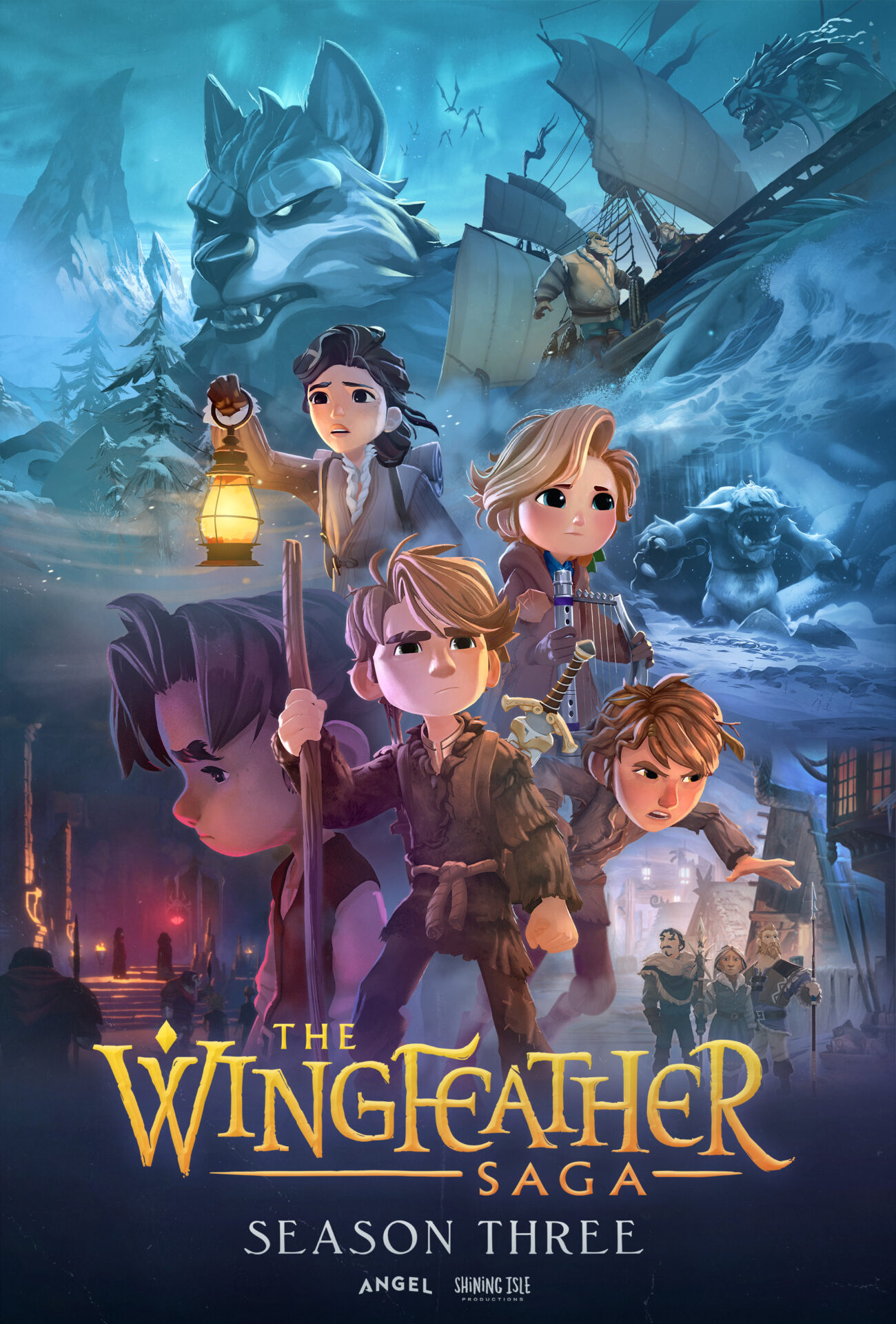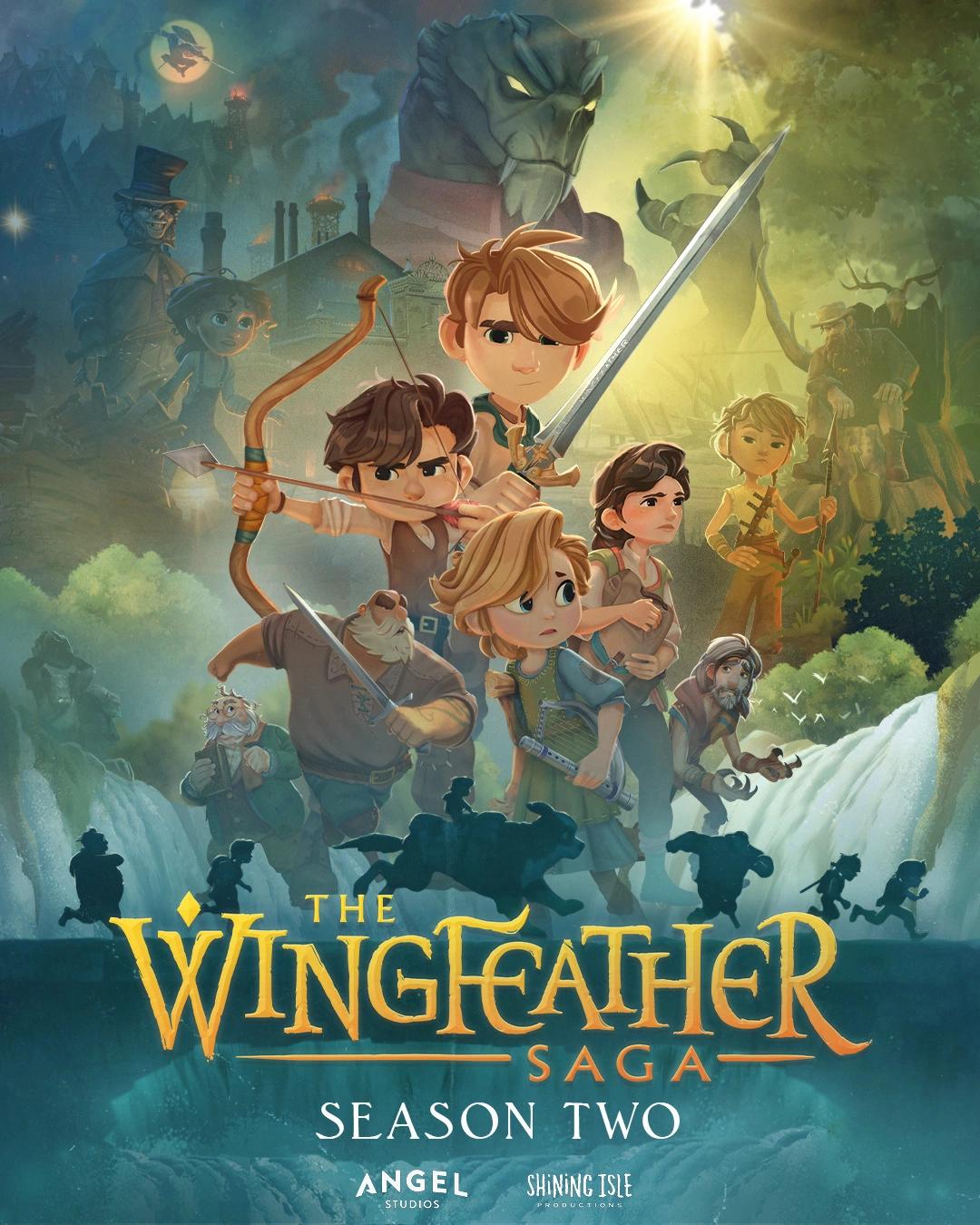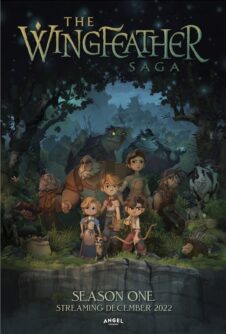
THE WINGFEATHER SAGA: Chapter 4: “Escape to Peet’s Castle”
Beautiful, brave animated storytelling — with a caution for the littlest ones.
Should You Watch It?
Here is the decision. Angel Studios' animated adaptation of Andrew Peterson's beloved books delivers a fourth chapter that is light on plot but heavy on everything else — beauty, virtue, and heart. The Igiby family stands for the things worth standing for: sacrifice, bravery, hard work, fighting tyranny, and protecting one another. It's the kind of storytelling that feeds a family rather than merely occupies it.
The one thing to weigh is the intensity. This is a story about a family hunted by a reptilian army, and it earns its tension honestly — moderate cartoon violence throughout, dark forest creatures, and one moment where a Fang soldier is stabbed in the back and audibly dies on screen. For older children this is stirring adventure. For the very youngest, it may be too much.
So: if your family loves fantasy and your children can handle peril, gather everyone and watch. If you're choosing for little ones, preview it first or wait a year.
The Story
NO SPOILERS — WE KEEP THE SURPRISESThe Igiby children are hiding when a pack of wolves closes in — and a quirky, stuttering forest dweller named Peet scares the animals off and invites them up into his network of tree houses. Peet is the town outcast, but he knows this family, and he knows something about the resistance rising against the tyrannical Fang army.
Meanwhile, a humiliated low-ranking Fang officer named Slarb is plotting revenge, gathering evidence that the Igibys are hiding magical treasure. He wants to arrest the whole family — and their mother, Nia, is about to learn a raid is coming that very night.
Is It Any Good?
Four stars, and they're earned in the craft. The art direction here is top-tier, and the storytelling is compelling even when the plot is quiet. This is a chapter that spends its time on character and atmosphere rather than incident — and the source found the result rich rather than slow.
Peet is a standout: a good-hearted, broken man who spurts gibberish and suffers a genuine breakdown when the children ask about the Fang prison he escaped, only to be gently calmed by young Leeli. That small moment of a child steadying a wounded adult is the kind of grace note that lifts good animation into memorable animation. Light on plot, heavy on quality — and the quality is the point.
The Worldview
This is a story with a spine. Its moral worldview is described as ironclad: a black-and-white world where the humans are the heroes and the reptilian Fang soldiers are self-serving evildoers. The Igiby family embodies traditional marriage, hard work, sacrifice, and the protection of one's own — and the whole tale burns with a patriotic conviction that liberty is worth fighting for and tyranny worth resisting.
Woven through that political courage are strong Christian, redemptive values. The virtues on display aren't abstract; they're lived out in a family that keeps choosing one another at real cost. Peet's story adds a quiet note of restoration — a man wrecked by imprisonment, steadied by a child's kindness, still capable of protecting others with a well-aimed arrow.
There's nothing here to distort or explain away. The film simply exalts what a Christian family already treasures: courage, faithfulness, and the willingness to lay down comfort for the people you love.
That instinct to shield the weak from those who prey on them runs straight back to Scripture's own heart: "Give justice to the weak and the fatherless; maintain the right of the afflicted and the destitute" (Psalm 82:3).
The Content Guide
The specifics — spoilers included by nature — so you can judge for your own family.
Dominant Worldview and Other Worldview Content/Elements
Very strong, ironclad moral worldview with very strong patriotic and political values stressing liberty and fighting tyranny and with strong Christian, redemptive values, the Igiby family exhibits the values of traditional marriage, hard work, sacrifice, and protecting one another against their reptilian overlords, a black-and-white moral system where the humans are the heroes, and the reptile soldiers are self-serving evildoers
Foul Language
No foul language
Violence
Moderate cartoon, action violence and peril throughout, a reptilian soldier stabs a knife in the back of his comrade (the comrade audibly dies on screen), a reptilian commander almost chokes his soldier to death, a man shoots warning arrows at a spiny forest creature, a man violently shoves a tree dweller to the ground, and a man gets into a fist fight with reptilian officers
Sex
No sex
Nudity
No nudity
Alcohol Use
No alcohol
Smoking and/or Drug Use and Abuse
No smoking or drugs;
Miscellaneous Immorality
A man experiences a traumatic episode of his time in reptilian prison, but a child snaps him out of it.
Talk About It
Questions for the drive home, the dinner table, or the youth group.
The Igibys keep choosing to protect one another even when it puts them in danger. What does it cost to lay down your own safety for your family — and where does that instinct come from?
John 15:13 · 1 John 3:16Peet is the town outcast, yet he's the one who rescues the children. Why do you think God so often uses the people others overlook?
1 Corinthians 1:27–28When Peet breaks down remembering the Fang prison, it's a child, Leeli, who steadies him. How can even the youngest person bring comfort to someone who's hurting?
2 Corinthians 1:3–4The story draws a clear line between the heroes who fight tyranny and the soldiers who serve themselves. How does Scripture call us to stand up for the weak against those who oppress them?
Psalm 82:3–4 · Proverbs 31:8–9The Final Word
This is exactly the kind of thing a family can gather around: gorgeous, brave, and built on virtues worth catching. Just know there's real peril in it and one sharp moment of violence, so preview it for your littlest ones. For everyone else, it's worth watching — and worth talking about afterward.