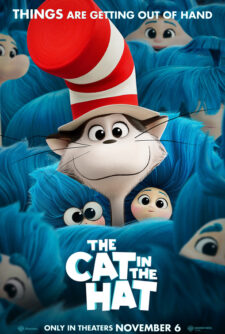
THE CAT IN THE HAT (2026)
Mischief, heart, and a psychic narwhal.
Should You Watch It?
Yes, but use discernment. This animated movie delivers a heartwarming, redemptive story filled with chaotic adventure, imaginative animation, and plenty of laughs. Older children and adults will likely enjoy the clever humor and entertaining characters, while parents can appreciate its positive messages about family, friendship, and selflessness.
However, Christian parents should take pause, as the movie includes plenty of scatological humor, slapstick violence, mild language, a complicated mother-daughter relationship, and some potentially uncomfortable character dynamics, including male side characters with feminine voices and mannerisms.
One character takes a blast of pepper spray, and the movie shows dangerous imagery, such as a character who juggles chainsaws on a tiger, but ultimately condemns it. The movie also features light occult and fantasy elements as two characters seek guidance from a psychic narwhal.
Beyond these concerns, the movie delivers a genuinely entertaining and heartwarming adventure. Older children and adults who want a fun, imaginative movie with meaningful themes will likely walk away satisfied. Parents expecting a squeaky-clean comedy will find enough crude humor and questionable worldview content to warrant real discernment, especially for younger viewers.
The Story
NO SPOILERS — WE KEEP THE SURPRISESThe Cat in the Hat works for the "Institute for the Institution of Imagination and Inspiration," with one goal: to cheer children up. After making too big a mess during his last assignment (and many before that), the Cat has one last chance to prove himself before he's terminated and loses his stripes. He's assigned to cheer up two siblings, Gabby and Sebastian, who struggle to adjust after moving to a new town. Along the way, the three find themselves in a whirlwind of adventure, helping each other discover more about themselves, what family means, and the beautiful "mess" that defines childhood.
Is It Any Good?
Three stars mean this movie delivers exactly what it promises: plenty of laughs, colorful animation, and an adventure that never drags. Bill Hader gives a standout performance and brings plenty of personality and comedic timing to a clever script that guarantees laughs.
Underneath all the madness, the movie also carries a strong family message centered on selflessness, sacrifice, and teamwork. The movie stands out, though, because it offers more than just jokes. Its character development brings surprising warmth and heart to a story about family, friendship, and the challenge of change. The imaginative animation and worlds that constantly shift pull viewers right into the adventure and keep both children and adults entertained.
Parents should note the scatological humor and an effeminate male character, which may not align with every family’s values. Despite these content concerns, the redemptive storyline ultimately puts family and friends above selfishness.
With memorable characters, nonstop action, and enough mischief to fill the Cat’s tall hat, the movie entertains, though its crude gags and a frantic pace overshadow its heart.
The Worldview
This movie has a dominant moral, biblical worldview with a redemptive ending, though some Romantic, Humanist elements and light occult content undercut its message. Evidently, many of the themes in this movie stem from biblical ideologies, including the call to put other people before oneself, sacrificial love, and the importance of family.
At its root, the story centers on the choice to do the right thing, even when it seems easy to get caught up in all of the madness. One main character learns that his personal desires and success matter less than the people around him, reflecting the biblical idea that genuine love involves sacrifice and puts others first.
However, movie also contains light occult content. The main characters rely on a narwhal with psychic abilities for information they could not otherwise know, and the story celebrates these abilities rather than question them, even though Scripture warns against such practices.
An underlying theme celebrates the desires of the flesh and treats personal happiness as the ultimate goal. One character states that a person can break all other rules of life except one: “Live, Laugh, Love.” This motto reflects a Romantic, Humanist worldview that puts feelings above rules and lets each person define right and wrong. Christianity teaches that life holds more than temporary pleasure and calls believers to deny themselves and follow Christ.
The Content Guide
The specifics — spoilers included by nature — so you can judge for your own family.
Content Summary
Dominant Worldview and Other Worldview Content/Elements
Strong moral, redemptive worldview celebrates family, friendship, love, and selflessness, as one character gives up her role to give her friend another chance and another makes a big life decision with the interests of others in mind. Characters stand up for others, which mirrors the biblical principle that the needs of others come before our own. A villain with a deliberate plan of sabotage faces condemnation in the end but never learns or grows. Some Romantic, Humanist elements surface when the movie declares “live, laugh, love” the main rule in life and claims a person can break all other rules, a philosophy that puts feelings above rules and lets each person define right and wrong. A side character takes this advice to heart and decides she follows rules too closely, a change that benefits the main characters. Light occult content includes a psychic narwhal who gives the main characters information they could not otherwise know, and the movie portrays these abilities positively and celebrates them
Foul Language
Light foul language includes one exclamatory Good Lord, plus mild scatological words such as butt and fart. Fart noises, arm farts, and bathroom humor, including an attempt to eat a live fish and flush it down the toilet
Violence
Mild comic and slapstick violence includes characters who slap each other to communicate, fireworks, TNT, and a mention of a bomb. A large, scary monster chases and grabs the main characters, and someone pepper sprays a main character for an extended time, which leaves his eyes very red. Dangerous stunts, such as a character who juggles chainsaws atop a tiger, draw condemnation
Sex
Light sexual content includes brief kisses between side characters and two innuendo jokes, one about long business trips that result in more siblings and another where a male character says, “the baby is yours”
Nudity
No nudity
Alcohol Use
No alcohol use
Smoking and/or Drug Use and Abuse
No smoking or drugs;
Miscellaneous Immorality
The main character repeatedly makes messes, which the movie first condemns but later celebrates as part of childhood. He steals a device marked “Do not open,” misuses it, and lies to the children. A male side character speaks with a feminine voice and mannerisms. A daughter holds resentment toward her mother, but the two reconcile by the end.
Talk About It
Questions for the drive home, the dinner table, or the youth group.
Gabby and Sebastian learn that family is about more than simply being together. How does the Bible describe the importance of putting family and loved ones before our own wants? How can we show love through our actions, especially during times of change? 1 Corinthians 13:4–7.
The Cat and other characters often live by the idea of having fun, enjoying life, and not taking things too seriously. While happiness and laughter are wonderful gifts, is there more to life than simply doing what makes us happy? What does the Bible say about finding lasting joy and purpose through God rather than temporary pleasures? Ecclesiastes 2:10–11.
Throughout the movie, characters face situations where they must decide whether to stand up for their friends or look out for themselves. Why is it important to show courage and stand up for others, even when it is difficult? How does Jesus demonstrate what it means to love and sacrifice for others? John 15:12–13.
The Final Word
THE CAT IN THE HAT brings a houseful of mischief, and parents should go in prepared for chaotic humor, questionable content, and a psychic narwhal whose powers the story embraces without question. The movie does offer a story about family, friendship, and the choice to put others first, and this Cat shows that even the wildest adventures feel better when shared with the people you love. Younger children should skip it, this Cat brings more trouble than he’s worth. With older kids, use that psychic narwhal to talk about where real wisdom comes from: God, not fortune tellers.