UNCLE NINO
Rediscovering joy in a broken family.
Should You Watch It?
If your family could use a gentle story about rediscovering joy, UNCLE NINO is worth your time. Its flawed but likeable characters face the damage caused by overwork, neglect, secrecy and selfishness. The film points toward healing through confession, repentance and forgiveness.
The movie is not perfect. Some dialogue feels static, and the character development occasionally jumps. Still, the direction is strong, Joe Mantegna gives an excellent performance, and the ending is deeply heartwarming.
The content concerns are few. There are light obscenities, but the children do not indulge in sex or drugs, and smoking is ultimately rebuked. For a pleasant family movie about restoring relationships, watch it with older children and adults.
The Story
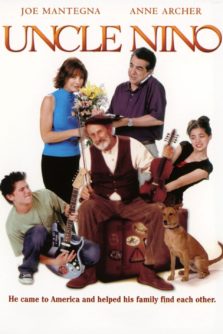
NO SPOILERS — WE KEEP THE SURPRISESAn elderly Italian man travels to America to visit the family of his deceased brother. There he discovers a deeply troubled household: a father consumed by work, a mother stretched too thin, a daughter longing for a dog, and a son struggling with a lack of parenting.
Uncle Nino brings music, joy and old-fashioned values into the home. As he joins the boy’s garage band, buried problems begin to surface. Before the family can heal, everyone must face the truth.
Is It Any Good?
Three stars means UNCLE NINO is a good, pleasant film with a few noticeable flaws. It is well directed, and Joe Mantegna is terrific. The other actors also succeed, creating real, flawed, complex and likeable people.
The writing is better than most small movies, though some dialogue is static and the character development occasionally jumps. These problems are few. The film’s strongest achievement is its heartwarming ending, which gives the family’s restoration genuine emotional appeal.
The Worldview
UNCLE NINO presents a light redemptive worldview with strong moral elements. It sees brokenness clearly and points toward confession, repentance and forgiveness as necessary steps toward healing. The film also affirms gratitude, family responsibility and the need to place relationships above an all-consuming career.
The movie gently suggests that each day has purpose and that life requires balance. Its criticism of workaholism is especially clear: a person can damage the people he loves while pursuing professional success. The film’s treatment is subtle and gentle, however, and it can feel as though a more explicitly Christian story is waiting to be told.
At first blush, Robert is like many Hollywood fathers because of his obsession with work. This is always amusing since Hollywood obsesses with work more than many other groups in our economy. It soon becomes clear, however, that everyone is complicit in their father’s problem.
Scripture likewise calls God’s people to remember that work is not the whole of life: “the seventh day is a Sabbath to the LORD your God. On it you shall not do any work” (Exodus 20:10). The film’s longing for restored family life aligns with that call to receive limits, repentance and renewed relationship.
The Content Guide
The specifics — spoilers included by nature — so you can judge for your own family.
Content Summary
Light redemptive worldview with strong moral elements and some subtle comments such as I believe there’s a purpose and each character clearly experiences brokenness, repentance and forgiveness; 12 obscenities; no violence; hugging and kissing but no salacious sexual content; wine brought as a gift from Italy; chain smoking rebuked and boy gives up smoking; and, overworking and ignoring your family rebuked.
Talk About It
Questions for the drive home, the dinner table, or the youth group.
Robert’s work has harmed his family. What boundaries can help us love our families well while still working faithfully?
Exodus 20:8–10 · Ephesians 5:15–16The family cannot heal without confession, repentance and forgiveness. What is the difference between merely admitting wrong and truly turning from it?
2 Corinthians 7:10 · 1 John 1:9Uncle Nino brings joy and gratitude into the household. What ordinary gifts from God can your family learn to notice each day?
James 1:17 · 1 Thessalonians 5:16–18The characters are flawed, but still likeable. How should Christians respond to brokenness in themselves and others?
Galatians 6:1–2 · Colossians 3:12–13The Final Word
UNCLE NINO is a warm, well-directed film about a family learning to make room for joy, truth and forgiveness. It has light obscenities and a few imperfect moments, but its moral content is gentle and its ending is unusually heartwarming. WORTH THE TRIP.