
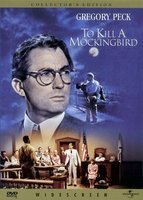
TO KILL A MOCKINGBIRD
All men are created equal in a timeless Christian masterpiece.
Should You Watch It?
Yes. To Kill a Mockingbird is a masterpiece with an exceptional script, incredible direction, and wonderful acting. Gregory Peck gives one of his greatest performances as Atticus Finch, a wise and compassionate attorney who stands for justice even when his town will not give every person a fair hearing.
The film takes racism and bigotry seriously, but its heart is larger than any political argument. It calls you to see individuals rather than a mob, to love your neighbor, and to recognize the dignity of every person. Children also learn valuable Christian lessons as they encounter fear, prejudice, courage, and compassion.
The story includes disturbing discussions and brief violence, but the content is handled without graphic images and the moral vision is strong. This is an excellent choice for older children and adults.
The Story
NO SPOILERS — WE KEEP THE SURPRISESDuring the Great Depression, young Scout and her brother, Jim, explore their dusty Southern town and wonder about a frightening neighbor named Boo Ridley. Their father, Atticus Finch, is a respected local attorney who must defend a Black man accused of raping and beating a poor white woman. As the trial approaches, the children begin to see their community—and the people in it—more clearly.
Is It Any Good?
Four stars means this is a masterpiece. The script is exceptional and should be a model of great scriptwriting. Robert Mulligan’s direction is incredible, and the acting is wonderful throughout.
Gregory Peck gives one of his greatest performances as Atticus Finch, bringing wisdom and compassion to the role. The film remains timeless because its moral seriousness is matched by exceptional directing and acting.
The Worldview
The film presents a Christian moral vision centered on the belief that all people are created equal and should be treated with love and dignity. Atticus represents many Christian virtues: compassion, courage, justice, and a willingness to stand against popular opinion. The children learn valuable lessons as they move beyond fear and appearances to recognize the humanity of others.
The film strongly rebukes racism, prejudice, and vigilante thinking. It also shows that a courtroom can fail to deliver justice when people refuse to see the truth. The story’s emphasis is not merely political; it is moral and spiritual, calling people to love their neighbors as themselves.
The review notes that the film helped precipitate the Civil Rights Movement, while also observing that such movements can have a double edge. It says the movie contributed to a lasting shadow of racism and bigotry associated with the South, even though the story itself distinguishes between good and bad people within that community. Those political judgments can distract from the film’s central Christian principles.
The film’s deepest claim is that every person bears God-given worth. “So God created man in his own image” (Genesis 1:27).
The Content Guide
The specifics — spoilers included by nature — so you can judge for your own family.
Content Summary
Christian worldview stressing all men are created equal and love thy neighbor as thyself with very few politically correct elements, although it was highly controversial when it was made; no foul language; girl fights with boys at school and beats them, court description of sexual attack and beating, mention off screen of a shooting off screen, man attacks little boy and another man saves the boy by killing the man, but nothing’s shown, man shoots a rabid dog; courtroom testimony implies a rape; no nudity; no alcohol; no smoking; and, racism, prejudice and vigilantes but rebuked.
Talk About It
Questions for the drive home, the dinner table, or the youth group.
Atticus chooses to defend a man who may not receive a fair trial. What does it mean to seek justice when doing so is unpopular?
Micah 6:8 · Proverbs 31:8–9Scout’s experiences challenge her fear of people she does not understand. How can we learn to see our neighbors as individuals instead of judging them by rumors or groups?
James 2:1–4 · Philippians 2:3–4The film teaches that all people are created equal. What does it mean for every person to bear God’s image?
Genesis 1:27 · Galatians 3:28Atticus reflects the command to love your neighbor as yourself. What would that love look like in your school, church, or community?
Mark 12:31 · Romans 12:18The Final Word
To Kill a Mockingbird is a timeless masterpiece with exceptional writing, direction, and acting. Its strong Christian principles make it worthwhile for older children and adults, even as its subject matter requires thoughtful guidance. WORTH THE TRIP.









