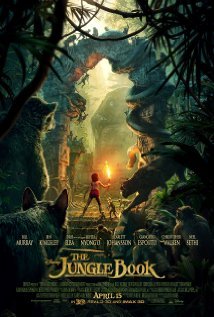
THE JUNGLE BOOK (2016)
A beautifully made family adventure with intense moments for younger children.
Should You Watch It?
Yes. This live-action remake is beautifully made, with a superb script, excellent performances, exciting action, funny subplots, and stunning visual effects. It also keeps the delightful humor and two memorable songs from Disney’s 1967 animated classic.
The film’s strongest qualities are its picture of family love and its moral vision. Mowgli’s animal family cares for his safety, while the wolf pack teaches that each member serves the group and the group serves each member. The movie also teaches that violating moral law brings danger, while obedience brings life and prosperity.
The cost is modest but real for younger viewers: some animal attacks, frightening chases, and intense fights may be too much. For older children and adults, this is an easy theatrical recommendation.
The Story
NO SPOILERS — WE KEEP THE SURPRISESMowgli is a human boy raised by a black panther and a pack of wolves in the jungles of India. His animal family teaches him the laws of the jungle and the code of the wolf pack.
When a drought brings the jungle animals together, the evil tiger Shere Khan threatens Mowgli’s life. Mowgli must leave the only home he has known and return to the nearby man village—but the tiger is determined to find him.
Is It Any Good?
Four stars means this is an outstanding family adventure. Director Jon Favreau delivers a cinematic delight with exciting action, a superb script, excellent performances, funny subplots, and wonderful visual effects.
The movie successfully combines the more serious elements of Rudyard Kipling’s original stories with humor and two songs from Disney’s animated classic. Neel Sethi is compelling as Mowgli, and his interaction with the animals, sets, and computer-generated effects is virtually seamless.
The Worldview
The film presents a strong moral worldview centered on natural law. The “law of the jungle” protects both the individual and the group, teaching that each wolf serves the pack and the pack serves each wolf. Obedience brings life and prosperity, while violating the law brings death and danger.
This echoes biblical teaching about mutual rights and obligations. Rights without obligations become lawless, while obligations without rights become legalistic and tyrannical. The film also includes light, mostly implied elements of grace and forgiveness, so its moral vision is not entirely legalistic.
The movie stresses family love, self-sacrifice, cooperation, and looking out for one another. It presents Mowgli’s adoptive animal parents as a loving family that sees the boy’s goodness despite the danger his humanity may bring. Its message about serving others and working together when society is threatened aligns with biblical wisdom, even though the film grounds that message in the natural law of the jungle rather than explicitly in God. “Bear one another’s burdens” (Galatians 6:2).
The Content Guide
The specifics — spoilers included by nature — so you can judge for your own family.
Content Summary
Very strong moral worldview where society is based on natural law, with “the law of the jungle” respecting both the individual and the group (“the strength of the pack is the wolf and the strength of the wolf is the pack”) and centering on serving one another and working together when the society is threatened by external forces (including natural ones), it’s stated that violating the law of the jungle invites death and obeying the law brings life and prosperity, but there are also some light, mostly implied redemptive elements of grace and forgiveness, so the movie avoids being totally legalistic, plus there’s a line where an animal says the elephants created the jungle, the mountains and the rivers but did not create mankind and the other animals bow down to the elephants because of this and because they are obviously the biggest, most powerful animals in the jungle; no foul language; some strong and light action violence includes tiger attacks panther, tiger throws wolf off a small mountain, python tries to squeeze boy and eat him, but a bear intervenes, large ape chases boy, large temple crashes down around monkeys, characters fall, fire spreads through forest, stampeding water buffaloes, animals fight off tiger and tiger fights them; no sex; upper male nudity of boy in loincloth; no alcohol; no smoking or drugs; and, villain is out for revenge, monkeys want to steal the secret to fire, monkeys kidnap boy.
Talk About It
Questions for the drive home, the dinner table, or the youth group.
The wolf pack teaches that each wolf serves the pack and the pack serves each wolf. What does serving one another look like in your family?
Galatians 5:13 · Philippians 2:3–4Mowgli’s animal family protects him even when his humanity creates danger for them. How can love move us to protect and care for others?
1 Corinthians 13:4–7 · 1 John 3:16–18The film says that violating moral law brings death, while obedience brings life. Where does Scripture say God’s commands lead us?
Deuteronomy 30:19–20 · John 14:15The animals must work together when the jungle is threatened. When has cooperation helped your family face a difficult situation?
Ecclesiastes 4:9–12 · Romans 12:4–5The Final Word
This is a visually stunning, warmly entertaining adventure with a strong message about family, responsibility, and serving one another. Younger children may need extra discernment because of the intense animal action, but older children and adults should find a great family film. WORTH THE TRIP.