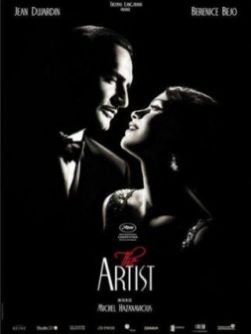
THE ARTIST
Out with the old, in with a charming, hopeful new classic.
Should You Watch It?
If you want a creative, clean, deeply charming drama, The Artist is worth your time. Its nearly silent storytelling pulls you into the rise and fall of a Hollywood star without relying on spoken dialogue, while its black-and-white photography and stunning lead performances bring old Hollywood vividly to life.
The movie celebrates friendship, loyalty, charity, love, redemption, and hope. It also warns against pride and the fleeting nature of fame and material wealth. The main concern is emotional rather than graphic: a troubled marriage, separation, and a character’s struggle with alcohol and loss.
Take older children and adults who can handle those themes. For younger children, especially pre-teens, use your discernment.
The Story
NO SPOILERS — WE KEEP THE SURPRISESHollywood, 1927. Silent-film star George Valentin is at the height of his career when he meets Peppy Miller, a determined and optimistic young dancer on the verge of a breakthrough.
Then the talkies arrive. As Peppy rises, George struggles to find his place in a changing Hollywood. He must decide whether pride will keep him trapped in the past or whether he can accept help, rediscover love, and find a place in the new world.
Is It Any Good?
Four stars means this is an exceptional film, and The Artist earns them. Shot entirely in black and white, it is one of the year’s most creative and charming movies. The lead performances are stunning, and the well-constructed script immerses viewers in the action without spoken dialogue.
The movie combines a high-paced, comic, entertaining storyline with the feel of a European art film. It is a wonderful tribute to the silent-film era and a lighthearted crowd-pleaser. Its story is strong enough to grip modern audiences even with almost no dialogue.
The Worldview
The Artist does not provide a biblical theological perspective, and it contains no explicit mention of Christianity or religion. Still, it presents a strong moral outlook through its themes of friendship, love, loyalty, redemption, and hope.
The film especially honors loyal friendship and charity while warning against pride. It also shows that fame and material wealth are fleeting, and that there is more to life than public success. The story’s Hollywood setting embraces the dream of working one’s way up from extra to star, while its romantic elements are primarily emotion-based.
The movie’s moral center is hopeful: people can look beyond pride, accept love, and find redemption. That warning against pride aligns with Scripture: “Pride goes before destruction, and a haughty spirit before a fall” (Proverbs 16:18).
The Content Guide
The specifics — spoilers included by nature — so you can judge for your own family.
Content Summary
Strong moral worldview with strong themes of friendship, love, and loyalty, embodied especially in the loyal butler character, and a warning against both the sin of pride and the fleeting “here today, gone tomorrow” character of fame and material wealth, culminating in a final message of redemption and hope, although there is no explicit mention of Christianity or religion, mitigated by some Romantic elements that are emotions based, plus a vivid capitalist depiction of living the Hollywood dream and making it by working one’s way up from extra to star and a silent movie playing during the opening sequence has an anti-communist message of “long live free Georgia!”; no obscenities and one OMG light exclamatory profanity; action violence during the shooting and playing of movie scenes, including on-screen electrocution of Russian spy; no sex scenes but some illicit desires include female lead flirts with male star even after she realizes he’s married but they never kiss until years later after his wife has left him when they hit troubled financial times and lead character is especially attracted to the legs of his tap dance partner; no nudity; male lead abuses alcohol as he loses his star status; smoking; and, woman leaves husband when his fortunes decrease.
Talk About It
Questions for the drive home, the dinner table, or the youth group.
George’s pride keeps him from accepting help. Why can pride make it difficult to receive love, and what does humility look like in your life?
Proverbs 16:18 · Philippians 2:3–4The film honors friendship, loyalty, and charity. Who has shown those qualities to you, and how can you show them to someone else?
Proverbs 17:17 · Galatians 6:2Fame and material wealth do not last. What does the film suggest is more valuable, and how does that compare with Jesus’ warning about earthly treasure?
Matthew 6:19–21The story points toward redemption and hope. Where does lasting hope come from when circumstances change?
Romans 15:13 · 1 Peter 1:3The Final Word
The Artist is a creative, beautifully performed, and uplifting tribute to silent cinema. Its emotional marital conflict and mature themes call for discernment with younger viewers, but older children and adults can find much to enjoy and discuss. Our answer is WORTH THE TRIP — AGES 13 AND UP.