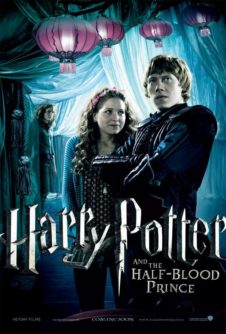
HARRY POTTER AND THE HALF-BLOOD PRINCE
A meandering magical sequel families should skip.
Should You Watch It?
This Harry Potter episode has real craft appeal. Its special effects are terrific, and many of its sets and costumes are delightful. Fans of the characters may enjoy each new revelation and personal eccentricity.
But the movie meanders between two loosely connected stories: Voldemort’s attacks and the romantic entanglements of Harry’s classmates. The dialogue is stilted, some acting is goofy, and the story feels like a bridge to a later climax rather than a satisfying story in itself.
The deeper concern is the world of witchcraft and sorcery. The film includes bravery, courage, honesty, and other virtues, but applies them inconsistently and without a biblical foundation. For your family, skip this one and choose a more positive movie instead.
The Story
NO SPOILERS — WE KEEP THE SURPRISESVoldemort’s Death Eaters are attacking both London and the magical world. Professor Dumbledore asks Harry to obtain important information about Voldemort’s past from Horace Slughorn, a former Hogwarts professor.
At the same time, Harry and his classmates face adolescent romantic complications. Harry is falling for Ginny Weasley, while Ron and Hermione struggle with their own tangled feelings. Draco Malfoy’s connection to the Death Eaters adds another threat.
Is It Any Good?
Three stars means this is a mixed film with genuine technical strengths but significant artistic weaknesses. The special effects are terrific, and the sets and costumes are delightful.
The movie’s main problem is its structure. It repeatedly moves between Voldemort’s warfare and the students’ romantic stories without successfully combining the two plots. The result feels meandering and episodic. The dialogue seems stilted, some acting is goofy, and even accomplished performers can appear like mannequins in the background. It is also clearly a bridge to the larger story, without a real climax of its own.
The Worldview
The film presents magic and witchcraft less as a way to become God or exercise power over others and more as a mechanistic tool for survival and accomplishing goals. The central problem remains that magic rebels against God’s power and law. The story contains no biblical foundation and no mention of God.
The film does attempt to include morality. The good witches have a code of honor, while the bad witches do not. Students are taught bravery, courage, honesty, and other virtues. Yet these virtues are relative to each plot problem. Honesty is good only up to a point, and stealing can sometimes be acceptable. In the film’s moral framework, humanity becomes the final judge of good and evil rather than God.
A discerning viewer should also recognize that similar virtues can appear in other religions and philosophies without becoming Christian virtues. The movie’s world includes a counterfeit religious ceremony during a funeral, a reference to Harry as “The Chosen One,” and a statue with a Cross on top, but these details do not provide a biblical worldview.
The film’s central question is where moral authority comes from. Scripture answers, “The fear of the LORD is the beginning of wisdom” (Proverbs 9:10).
The Content Guide
The specifics — spoilers included by nature — so you can judge for your own family.
Content Summary
Strong pagan worldview with very strong occult elements about witchcraft and sorcery with a counterfeit religious ceremony during a funeral and no mention of God, but minimized with some strong moral and light redemptive elements, but set in a world of witchcraft, such as good versus evil, references to title hero as “The Chosen One,” one statue in town with a Cross on top, and lots of counterfeit virtues that are not applied consistently; one obscenity; moderate action violence (much less than previous movies) with Harry getting kicked while he’s invisible with several magical energy fights and people getting beaten and battered, some blood, several destructions of property, accidental drinking of poison, and threats of death; lots of teen kissing and hugging; no nudity; alcohol use; drugs and potions; and, moral relativism, spying on people, sneaking around, trespassing in forbidden areas, deceit, hexes.
Talk About It
Questions for the drive home, the dinner table, or the youth group.
The film presents bravery, courage, and honesty, but applies them inconsistently. How does Scripture define wisdom and goodness differently?
Proverbs 9:10 · Micah 6:8When a story presents moral virtues without God, what is gained or lost? Why does Christian morality depend on more than admirable behavior?
Isaiah 5:20 · Mark 10:18The movie treats witchcraft as a tool for accomplishing goals. What does the Bible teach about seeking power through occult practices?
Deuteronomy 18:10–12 · Acts 19:18–20The story includes romantic entanglements among Harry’s classmates. What guidance does Scripture give for guarding the heart and treating others honorably?
Proverbs 4:23 · 1 Thessalonians 4:3–5The Final Word
This film has terrific effects and delightful production design, but its meandering structure and inconsistent morality weaken its appeal. Its witchcraft-centered world is not a healthy choice for children or young teens. For your family, SKIP IT and choose a more positive movie instead.