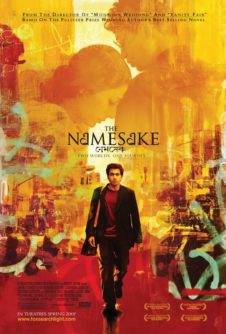
THE NAMESAKE
A thoughtful family study reserved for discerning adults.
Should You Watch It?
THE NAMESAKE offers an interesting study of two generations of an Indian family adapting to life in the United States. Its central concern is not simply cultural change, but what happens when secular Americanization promises freedom and happiness without showing a path away from sin.
The film clearly presents some consequences of selfishness, sexual freedom, drug use, and other destructive choices. But its adult content is substantial, and its worldview remains strongly pagan. The story recognizes that its characters are battered by their choices, yet it does not lead them toward true freedom.
If you are an adult who can engage those concerns thoughtfully, the film has real merit as a family and cultural drama. For children and young teens, choose something else.
The Story
NO SPOILERS — WE KEEP THE SURPRISESAn Indian family builds a life in the United States while trying to preserve friendships and traditions from home. Their son, Gogol, is born in New York and grows up between his parents’ Hindu customs and the broader secular American culture.
Embarrassed by his given name, Gogol changes it and begins seeking identity, love, and freedom on his own terms. His choices draw him further from his family’s traditions and into relationships that test what freedom has really given him.
Is It Any Good?
Three stars means this is a worthwhile, interesting drama with clear limitations. The film gives a serious look at the trials and tribulations of an Indian family adjusting to a new culture, and it observes the contrast between the parents’ immigrant friendships and their son’s secular American life.
Its strongest achievement is its study of Americanization across two generations. It also shows some of the wages of sin rather than presenting sexual and personal freedom as an uncomplicated good. The source review offers limited craft detail beyond those strengths.
The Worldview
THE NAMESAKE presents secular Americanization as a powerful force. It offers freedom in the pursuit of careers and happiness, but the film ultimately shows that this freedom does not produce happiness by itself. Gogol’s movement into the broader secular culture brings vulgarity, self-centeredness, drugs, alcohol, sexual sin, and estrangement from his given identity.
The film also shows respect for some Hindu customs and traditions. Its worldview remains strongly pagan, especially as the young man adapts a pagan American lifestyle while continuing to honor aspects of his parents’ Hindu heritage. The story includes light moral elements that show the consequences of sin, but it does not light the path to freedom from sin.
That limitation matters. The characters experience the wreckage of choices, yet the film does not offer a distinctly biblical answer for restoration. Scripture warns, “For the gate is wide and the way is easy that leads to destruction” (Matthew 7:13).
The Content Guide
The specifics — spoilers included by nature — so you can judge for your own family.
Content Summary
Strong pagan worldview about a young man adapting a pagan American lifestyle while continuing to show some respect for his Hindu customs of his parents with some light moral elements showing the consequence of sin; five obscenities and no profanities; no violence; two scenes of sex outside of marriage, not explicit; one scene of rear female nudity; some alcohol use; smoking and marijuana use; and, some scenes of Hindu traditions include scattering human ashes in Ganges River.
Talk About It
Questions for the drive home, the dinner table, or the youth group.
The film contrasts a family’s traditions with secular Americanization. Which parts of your identity should be received gratefully, and which should be tested against God’s Word?
Romans 12:2 · 1 Thessalonians 5:21The story shows that freedom without wisdom can lead to misery. How is biblical freedom different from simply doing whatever we want?
Galatians 5:13 · John 8:34–36The film shows some of the consequences of sexual choices outside marriage. Why does Scripture connect sexual faithfulness with both holiness and human flourishing?
1 Thessalonians 4:3–5 · Hebrews 13:4The family tries to preserve important relationships while living in a new culture. What does it look like to honor family without making family tradition your highest authority?
Exodus 20:12 · Acts 5:29The Final Word
THE NAMESAKE is a thoughtful, worthwhile study of immigration, family, and the false promise that secular freedom can create happiness on its own. Its adult content and pagan worldview make it unsuitable for children and young teens. For discerning adults, it is WORTH THE TRIP — ADULTS ONLY. For a family-friendly alternative, see.