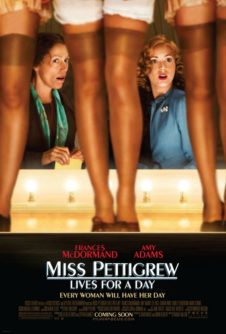
MISS PETTIGREW LIVES FOR A DAY
A lackluster bedroom farce with a compromised moral center.
Should You Watch It?
This film has real strengths, especially Amy Adams’ performance as Delysia. Frances McDormand is also a terrific actress, and the story eventually suggests that Miss Pettigrew’s moral virtues help Delysia make the right decision.
But the movie’s central idea is troubling: Miss Pettigrew is pressured to move beyond the Christian convictions shaped by her clergyman father. The result is a Romantic fairy tale with an anti-Christian agenda, sexual immorality, and a bedroom-farce premise. Its confused casting, lackluster direction, and plodding plot do not make that argument persuasive.
The film is intended for adults, but its content and weak execution make it a poor choice. Skip it and choose a more morally uplifting Jane Austen film, such as Sense and Sensibility.
The Story
NO SPOILERS — WE KEEP THE SURPRISESJust before World War II, unemployed nanny Guinevere Pettigrew—an intensely conservative clergyman’s daughter—takes a desperate step to find work. She becomes secretary to Delysia, an American actress trying to sleep her way to stardom on the London stage.
When Delysia brings Miss Pettigrew to a lingerie fashion show for a makeover, new romantic complications emerge. Several people are concealing the truth about who they are and whom they love.
Is It Any Good?
Three stars means this film has notable performances but falls short as a whole. Amy Adams does an incredible job playing Delysia and can “vamp with the best of them.” Frances McDormand is terrific as a stern disciplinarian.
The film itself is a lackluster bedroom farce. Its direction is lackluster, the plot is plodding, and the makeover is not convincing. The casting is also confused, especially the idea that the rich, cultured Joe would fall for Miss Pettigrew.
The Worldview
The film presents Miss Pettigrew’s Christian moral upbringing as something to overcome. Its story is built around women changing their lives, flouting conventions, refuting class barriers, and engaging in extramarital sex. Delysia’s promiscuity and the film’s bedroom-farce situations treat moral compromise as part of the romantic adventure.
Yet the movie’s own ending undercuts that agenda. Miss Pettigrew’s moral virtues help Delysia finally make the right decision. The film therefore contains some moral elements even while suggesting that Christian convictions are stuffy and out of step with reality.
The review also observes that newer period pieces appear to trade on the success of Jane Austen films while suggesting that the English have always been immoral and that the Church has always been stuffy and out of sync with reality. That departs from the morality and Christianity associated with Jane Austen and earlier period pieces.
The film’s central conflict asks whether love and success require surrendering moral convictions. Scripture points in the opposite direction: “Do not be conformed to this world, but be transformed by the renewal of your mind” (Romans 12:2).
The Content Guide
The specifics — spoilers included by nature — so you can judge for your own family.
Content Summary
Strong Romantic worldview with some anti-Christian content as the protagonist gets over the moral upbringing of her father, a Christian clergyman, although at the end there are some moral elements; 10 obscenities and two profanities; intense fistfight; implied fornication, constant discussion and some innuendo of multiple sexual relationships, and very promiscuous character; full rear male nudity and revealing female nudity with discreet placement of soap suds, towel, mink coat, and lingerie, plus lingerie fashion show occurs; lots of drinking, including clergy daughter learns how to drink and enjoys it; smoking; and, bedroom farce lying, cheating and stealing little things.
Talk About It
Questions for the drive home, the dinner table, or the youth group.
Miss Pettigrew’s Christian convictions are treated as obstacles to change. What is the difference between wise growth and abandoning what is right?
Romans 12:2 · Ephesians 4:14–15Delysia pursues success through sexual relationships. What does Scripture say about the cost of gaining what we want by compromising our integrity?
Mark 8:36 · Proverbs 10:9The movie’s ending suggests that moral virtues can still help someone make a right decision. Why do good choices matter even when a culture mocks them?
Micah 6:8 · Galatians 6:9The Final Word
Miss Pettigrew’s story includes strong performances and a hint of moral clarity, but its compromised worldview, adult content, and plodding execution make it a poor choice. Skip this one and choose a more morally uplifting film instead.