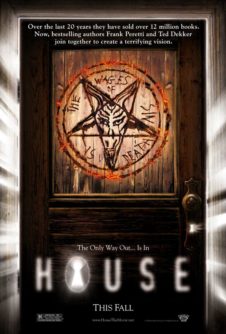
HOUSE
An unsettling Christian thriller about guilt, sacrifice, and haunting memories.
Should You Watch It?
HOUSE delivers what thriller fans want: a spooky setting, constant jeopardy, strong production values, and genuinely terrifying moments. It also offers more than scares. The story turns guilt into something characters must face, while its Christian allegory points toward sin, judgment, and the need for a sacrifice.
That message is strong, though you need some understanding of biblical truth to unravel all its symbolism. The film has no foul language, sexuality, nudity, alcohol, smoking, or drugs, but the violence and frightening imagery are intense. Its treatment of child molestation, suicide, murder, and a haunting spiritual threat may be deeply unsettling.
If you are an older teenager or adult who enjoys horror and can handle serious scares, HOUSE is worth seeing. For younger children or sensitive viewers, choose something gentler.
The Story
NO SPOILERS — WE KEEP THE SURPRISESJack and Stephanie arrive at a strange old Inn with Randy and Leslie, only to become trapped inside. The house’s caretakers are Devil worshippers, and the four visitors soon find that their guilty pasts are not staying in the past.
As disturbing memories become embodied by the residents of the house, the characters must confront what they have done and what they believe about guilt, punishment, and rescue.
Is It Any Good?
Three stars means HOUSE is a very good thriller with some noticeable weaknesses. It is well paced and gripping, with high production values and assured directing. The music supports the constant jeopardy, though it becomes tiresome at times.
The characters are not fully realized, but they remain empathetic and connect with the viewer. The film also uses recurring symbolism involving water, smoke, and light. From its first frame to its last, HOUSE creates an unsettling experience filled with scares, on-screen murders, and constant danger.
The Worldview
HOUSE presents the house as an allegory for the place where the Accuser taunts the guilty. Its characters carry terrible events from their pasts, and the story asks whether people should pay for their sins themselves or accept a sacrifice that rescues them. Two characters kill themselves as payment for their own sin, while two others accept the sacrifice of the enigmatic girl of light.
The film’s Christian message is strong, especially in its emphasis on sin, guilt, judgment, and sacrificial rescue. Yet the symbolism requires an understanding of biblical truth to unravel, and the story includes a “pure evil” character who claims to have killed God. People who may be demons hold the characters hostage and threaten them, giving the film a spiritual framework that is disturbing as well as allegorical.
The film’s central longing is for guilty people to be released from what condemns them. Scripture says, “without the shedding of blood there is no forgiveness of sins” (Hebrews 9:22), a truth that helps explain the story’s focus on sacrifice.
The Content Guide
The specifics — spoilers included by nature — so you can judge for your own family.
Content Summary
Very strong Christian worldview; no foul language or profanities; wife is shot by husband offscreen, son kills father while hunting, through neglect couple loses daughter in ice skating accident, man shoots woman with shotgun, woman stabs man, two men shot point blank, woman killed with ax; no depicted sexual content but discussion of child molestation; no nudity; no alcohol; no smoking or drugs; and, people – who may be demons – hold characters hostage and threaten them.
Talk About It
Questions for the drive home, the dinner table, or the youth group.
The characters are haunted by guilt from terrible events in their pasts. What is the difference between hiding guilt, confessing it, and receiving forgiveness?
1 John 1:9 · Psalm 32:5The story contrasts people trying to pay for their own sins with accepting a sacrifice. What does Scripture say about our sin and God’s provision for forgiveness?
Romans 3:23–24 · Hebrews 9:22The house represents a place where the Accuser taunts the guilty. How does Scripture describe accusation, and where can believers find freedom from condemnation?
Revelation 12:10 · Romans 8:1The film uses light as part of its rescue imagery. What does the Bible say about God’s light overcoming darkness?
John 1:4–5 · 1 John 1:5The Final Word
HOUSE is a well-made, gripping thriller with a strong Christian allegory about sin and sacrificial rescue. Its terrifying imagery, violence, and disturbing themes make it best for older teenagers and adults. For that audience, WORTH THE TRIP — OLDER TEENS AND ADULTS. For younger or sensitive viewers, choose something else.